
Amnesty rapporteur expects to reduce penalties and speaks of negotiation with STF and Senate

Chosen yesterday as a rapporteur of the amnesty project to those convicted of the coup acts, Deputy Paulo Pereira da Silva (Solidarity-SP), Paulinho da Força, intends to work on a newsroom that replaces the idea of wide forgiveness with a text that focuses on penalties-a proposal considered more palatable by ministers of the Supreme Court (STF).
The new rapporteur said he will talk to court members, the Senate summit and the Lula administration to negotiate a “pacified text.”
He also said he will try to “please Greeks and Trojans” in his opinion on the project that served as the basis for the approval of the urgency of the matter (more fast, a proposal that grants amnesty to those convicted of coup acts from the end of 2022.
Eduardo Bolsonaro does not vote for amnesty urgency and claims technical problems
Despite being in the US since February, Eduardo could have participated in the vote because it is a semi -presential session
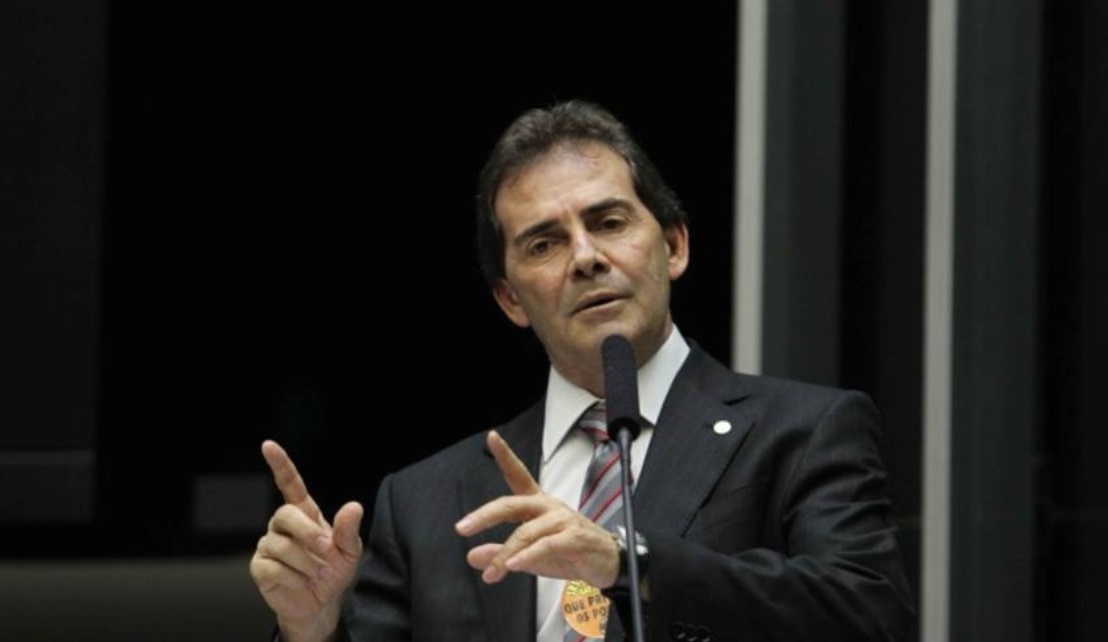
General and unrestricted amnesty is impossible, says rapporteur in the Chamber
Paulinho da Força states that he will build text “in the middle”
Paulinho was appointed to the rapporteur by the mayor, Hugo Motta (Republicans-PB). “I’m sure he will lead discussions of the theme with the necessary balance,” Motta said in the X (former Twitter). The publication was made minutes after the Solidarity President reached the House’s official residence in Brasilia.
The deputy, who is a national president of solidarity, is considered an opponent of the federal government in Congress. On the other hand, it has been one of the interlocutors of ministers of the Supreme.
Court magistrates have already warned that they will not accept the amnesty to former President Jair Bolsonaro (PL), sentenced to 27 years and 3 months in prison, nor to the others involved in the institutional rupture plot. If the Congress gives a green signal to a proposal of forgiveness in these terms, the Supreme Court shall block its advance, on the grounds that it is unconstitutional.
There are also resistance in the Senate to a “wide, general and unrestricted” amnesty. The president of the House and Congress, David Alcolumbre (União Brasil-AP), has already stated that no broad amnesty project will pass through the Blue Balconry House.
In an interview with GloboNewsPaulinho pledged to build a project of “pacification”, which is neither “right” or “left”. The parliamentarian said he did not know if his opinion will “save” the former president, who has been serving house arrest since August 4 and was sentenced on September 11 by the Supreme for five crimes, including the coup d’état.
“I have joked that we will try to do here what the Greeks and Trojans did not do, try to please the Greeks and Trojans,” he said. “If you can, better. If you can’t, it’s trying to do something in the middle that can please the majority of the Brazilian population.”
About Bolsonaro, he said he will try to build a consensus. “I don’t know if my text will please everyone or will save Bolsonaro, let’s say. That’s what we will try to build, talking to everyone and trying to see the possibility of having a majority. At first, we’ll have to do something in the middle.”
In a minority in Congress, the government suffered another defeat in the night of the day before yesterday, with the approval of the request that provides urgency in the vote on the amnesty project. There were 311 votes in favor of the urgency, 162 contrary and seven abstentions.
The PT leader in the House, Lindbergh Farias (RJ), said that, when guiding that request, Motta surrendered to the Motim deputies. It was a reference to the parliamentarians who sat in the chair of the mayor in early August in protest against Bolsonaro’s house arrest, decreed by STF Minister Alexandre de Moraes.
The PT and the government, however, have presented divergent positions on the reduction of penalty to those who participated in the coup plot. At lunch the day before yesterday with parliamentarians and petist leaders, President Luiz Inacio Lula da Silva admitted to being favorable to an agreement with the center to reduce the size of some penalties of January 8, provided that the measure does not reach Bolsonaro.
Disguised amnesty
Behind the scenes, leaders, deputies and senators of the PT did not hide the malaise with this comment from Lula. “The problem is that penalty reduction turns out to be a disguised amnesty,” said Mrs Maria do Rosário (PT-RS).
The idea was also debated at a meeting of center party ministers with the minister of the Secretariat of Institutional Relations, Gleisi Hoffmann, last Tuesday, according to reports collected by the report. At the meeting, it was evaluated that if it is just reducing penalties, the government has no reason to fight and it would be better to close an agreement and end it at once. For the governors, the debate on the subject interferes with more relevant votes for the Plateau in Congress.
After Supreme Ministers publicly warn that the crimes for which Bolsonaro was convicted are not amnesty, allies of the former president began to invest in a plan B: trying to convince the court to at least keep the former president in house arrest to serve the sentence.
Bolsonaro’s frequent trips to the hospital can serve to defend the defense to claim it about a house arrest for the former president. In court, there are ministers who defend this regime to serve the sentence as the most prudent solution to the case.
Given the news that the hit was sealed, Moraes audited the day before yesterday to deny what he called “totally untruthful information about a fanciful agreement.” “The Supreme Court does not make agreements. The Supreme Court applies the law and the sanctions duly imposed by the first class of the Court, after due process,” said the minister, in a statement.
Slight
Behind the scenes, however, members of the court would agree with a “light amnesty” in which the penalties imposed on those convicted by January 8 were reduced. Most of the court, however, would not approve, under further examination of constitutionality, the amnesty to whom it plotted a blow.
At last week’s trial, Moraes and Flávio Dino were incisive in warning that crimes against democracy cannot be amnesty. Gilmar Mendes made a statement in the same line when the trial was closed. Reserved, other ministers agree with colleagues to the point of forming a majority in this regard.
Paulinho said yesterday he had a “historical relationship” with the STF and emphasized that he has known Moraes since he was a lawyer. “We don’t want to try to solve a problem and have a conflict with the Supreme Ministers. Then it doesn’t solve. So, so I will also dialogue with the Supreme.”
The rapporteur also stated that “there is no possibility that the bill stops in the Senate. He said he talked last week with alcohumbre, just as the mayor has done.
“The idea is to build something together with the Senate.” Paulinho also stated that he will establish a dialogue with the ruling base and said he believed that he will have the votes of the entire left bench in the House. According to the rapporteur, the risk of amnesty not being voted on is “zero”.