
Argentine Congress limits Milei’s unilateral decisions by approving law that vetoes decrees
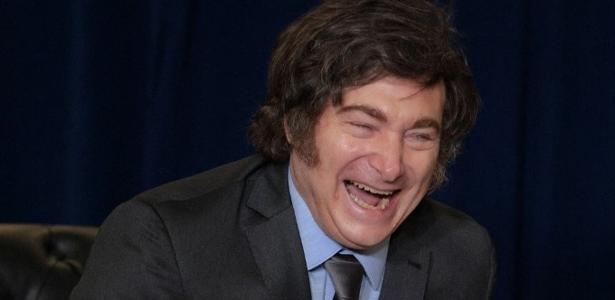
The president drastically reduced inflation at the cost of a harsh fiscal adjustment and now needs to win more seats in parliament, but without prospects of obtaining a majority, to convince the markets that he will be governable.
Since taking office in December 2023, Milei has signed more than 70 decrees of necessity and urgency. His main opponent, the center-left Peronist Cristina Kirchner, signed 78 in her two terms (2007-2015), and the right-wing former president Mauricio Macri, 71 in four years (2015-2019).
“If we don’t put a limit, this will continue to be a ‘screw everyone’, a ‘leave it as it is’, a permanent state of exception,” said Maximiliano Ferraro, from the opposition Coalizão Cívica, when justifying his vote in favor.
In the province of Buenos Aires, the main electoral district, the government list suffered a serious blow when Milei’s main candidate, José Luis Espert, admitted that he received 200 thousand dollars (just over 1 million reais at current exchange rates) from a businessman whose extradition was demanded by the United States courts for drug trafficking and fraud, among other crimes.
The president is trying to regain ground after a major defeat in a provincial legislative election last month.
Representative Espert’s withdrawal is yet another obstacle for the already pressured president on the eve of the elections.