
As the US bombs Tehran, Iranians say they feel abandoned by the government
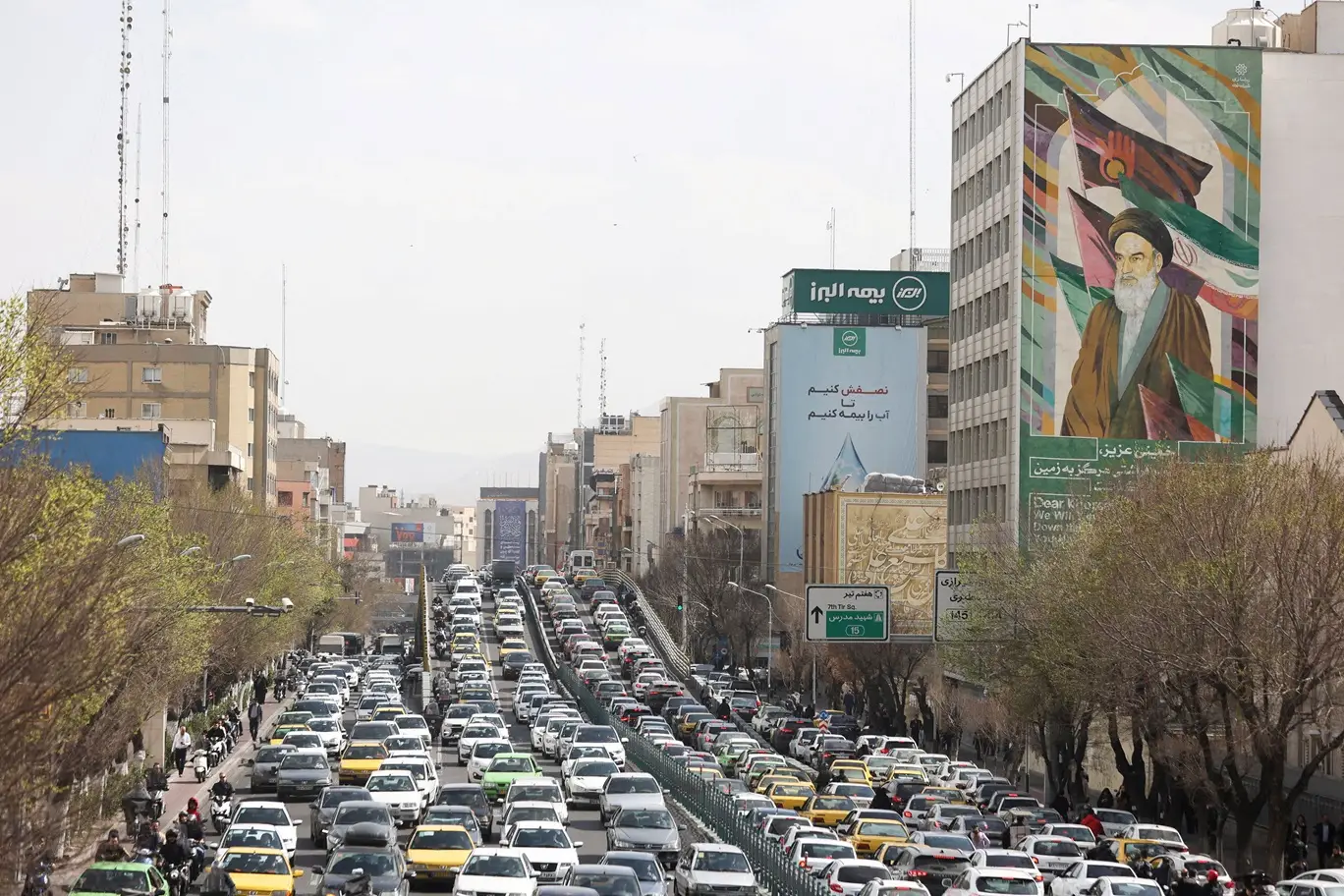
While fighter jets from the United States and Israel bombed Tehran and other Iranian cities this Saturday (28), in the middle of the country’s working day, many residents reported that the government gave almost no guidance on what to do or where to run in search of safety.
People trying to leave their homes had few shelter options. Parents who called and rushed to schools to pick up their children said neither principals nor teachers had received emergency instructions. In phone and text interviews in the hours following the coordinated US and Israeli attack, several Iranians said they were left to fend for themselves. It took hours for the government to release a statement, focused on condemning enemies and providing little practical information for the population.
Everything you need to know about the US and Israeli attacks on Iran
The United States, with support from Israel, launched attacks on major cities in Iran, while President Donald Trump called on Iranians to overthrow the government
State TV also gave little safety guidance. Instead, it showcased revolutionary songs and war music from the times of the Iran-Iraq conflict in the 1980s, as well as messages attacking the United States and Israel. The Supreme National Security Council informed that schools and universities would remain closed until further notice, that banks would remain open and that public bodies would operate at 50% capacity. In the statement, the council further stated that Iran “had already prepared in advance all the needs of society and there is no reason to worry.”

Everything you need to know to protect your wallet
In practice, the climate on the streets was very different. Around midday, many residents of Tehran, a city with around 15 million inhabitants, were trying to leave by car. The main exit routes were completely congested, according to reports. Those who stayed formed long lines at bakeries and gas stations. Gelareh, 36, says she was trying to flee with her husband and family north, towards the Caspian Sea. “We packed things in a hurry when the attacks started and ran out of the house, but we ran into suffocating traffic,” he said, asking that his surname not be used for fear of retaliation.
Communications were also severely affected, with landlines down in much of the city and most cell phone services out of service. NetBlocks, an organization that monitors internet connections around the world, reported that access was severely hampered across the country. Many Iranians say the feeling of abandonment began even before the attacks. In previous days, the population filled gas stations to consume the entire quota of subsidized gasoline, queued up at banks to withdraw money — often without success — and began sharing, on their own, homemade infographics on how to act during bombings and what to put together in emergency kits.
“We are living hour by hour, without letting go of the TV and cell phones,” said Roya, a 62-year-old translator. “The Iranian people are completely alone. It’s us helping each other. The government doesn’t show up.” Apprehension grew on Friday when some European and Asian countries, including China, asked their citizens and Iranians with dual nationalities to leave the country, and airlines began canceling flights to Tehran. The mayor of the capital, Alireza Zakani, even said that subway stations and underground parking lots could serve as shelter, but there was no preparation of minimum structures, such as chemical toilets, ventilation or heating. After the 12-day war in June, when U.S. and Israeli forces attacked Iranian nuclear facilities, city hall installed loudspeakers around the city for emergency sirens.
For now, there are no reports of food shortages, but inflation approaching 60% had already made basic items, such as meat, chicken, eggs and dairy products, inaccessible to a large part of the middle class and workers. In a post on social media, a supermarket announced that it would start accepting payment in installments even for the purchase of vegetables and diapers. On the networks, lists with tips on “what to stock” and “how to survive power and water cuts” spread quickly as the threat of attack grew — from suggestions on what to put in the “emergency backpack” left next to the door to guidance on hygiene in precarious conditions.
This new climate of urgency adds to a recent trauma. In January, the government carried out a violent repression of protests against the authorities and the economic crisis. Human rights groups estimate that at least 7,000 people were killed in three days, a number that could be much higher. Still, new demonstrations began on February 21, with university students in several cities calling for the government to fall. Protests have spread to a dozen major urban centers, with slogans aimed directly at Supreme Leader Ayatollah Ali Khamenei, such as “Khamenei is a murderer.”
