
Before discussing names for election, it is necessary to discuss the project, says Ratinho Jr.
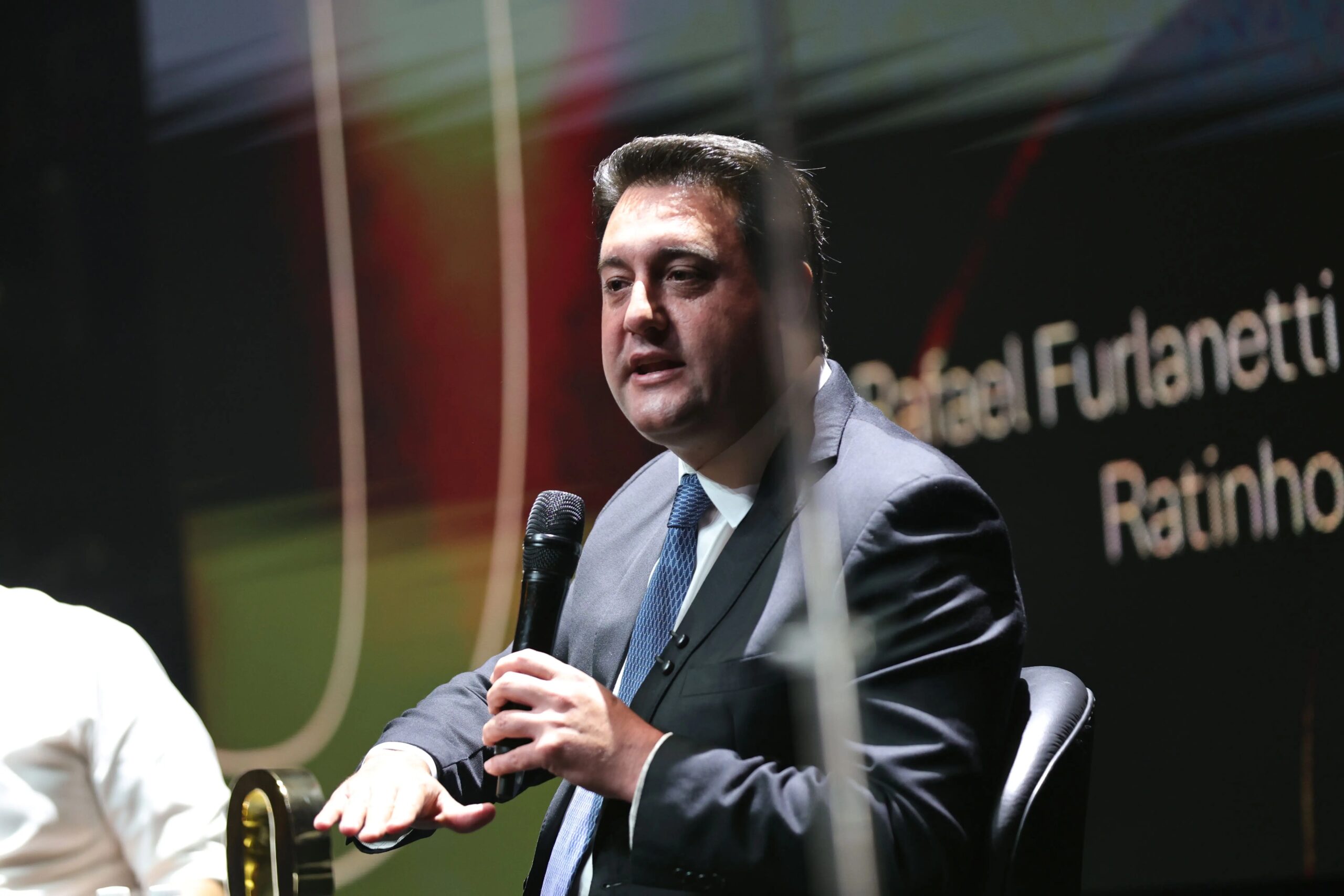
Brazil does not currently need to discuss names for the 2026 presidential election process, it needs a project discussion, a method and a management model that can work. The opinion is from the governor of Paraná, Ratinho Jr. (PSD) who participated in a panel at the Outliers InfoMoney 2026 Awards, in São Paulo
The governor said he sees room for a centrist candidacy in the next election, because he believes the population is tired of polarization. “Polarization exists all over the world, but people are sensible,” he said, highlighting that this was observed in the last municipal elections, when centrist parties like his PSD and MDB made the largest number of mayors.
“People like managers who are moderate and have technical skills, but above all bring peace of mind to society”, he stated, when interviewed by Rafael Furlanetti, institutional director of XP.
For him, there are good people across the country, since the “crop” of governors is the best in 30 years.
Regarding his tenure in the government of Paraná, Ratinho Jr. said that his first challenge was finding the State’s vocation. The strength of agricultural production was the starting point for the economy to be transformed to the point where the region was able to become a supermarket for the world.
The objective was to invest in the entire chain so that exports were not limited to grains alone, but across the entire food industry. Today, the State is able to sell 4 to 5 times more (in dollars) than if it were limited to products such as soybeans and corn, as in the past.
“The State has become an attraction for investments, giving economic freedom”, he said, highlighting the agility for opening companies in the State, which reached the 4th position in terms of highest GDP in Brazil, being 3rd highest in industrial production.
He also recalled that he had to combat resistance from groups such as public servant unions such as Education and Public Security, facing strikes at the beginning of his government. “Either you govern for the union or for the people”, he said, highlighting that the relationship improved because it was demonstrated that the model was successful.
