
Bombs and rapes: As a red army knocked the Nazi Berlin 80 years ago
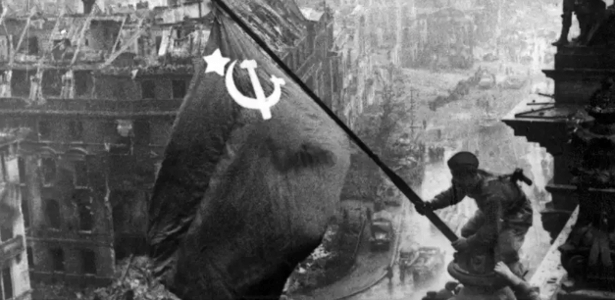
The Soviet Race by Berlin
Eisenhower’s decision, in fact, paved the way for the Russian offensive towards the Nazi German Center. The Soviets were, in fact, in a process of completion of a kind of counterattack, after the victory in the bloody battle of Stalingrad ending the German advance in Russia in 1943, explains historian Vítor Soares, host of the half-hour podcast. “It is this counterattack that culminates in the defeat of Nazi Germany,” he says.
In the last weeks of April 1945, the dictator of the Soviet Union, Joseph Stalin, handed over the mission of invading Berlin to Marshais Ivan Konev, head of the first Ukrainian front, and Georgy Zhukov, leader of the first Front Belarusso. The arrangement created a real race between them for the prestige of being the first to enter the German capital.
After Stalin’s order, the Battle of Berlin officially began on April 16. On Hitler’s last anniversary on April 20, the Soviets started a long and heavy metropolis bombing campaign. It was enough to break all Nazi lines of defense. Operation Clausewitz, designed by the Germans to ward off the allies, failed.
The Soviets entered everywhere “like a swarm,” describes Cornelius Ryan in The Last Battle. As April approached the end, districts fell to Soviet control as a domino. Hitler youth and national guard men tried to resist, but they no longer had clear leadership. Many simply abandoned the weapons and fled.
Series rapes
On the final days and hours of the battle, a climate of fear and uncertainty spread through the streets of Berlin. Red army soldiers committed acts of rape in series of German women, widely described in reports of the time and contemporary historiography.