
Brazilians used ‘Chinese threat’ to convince Trump to dialogue
The offensive led Trump to agree to dialogue with Lula and, after a brief meeting at the UN in September, the two leaders held a 30-minute phone call last Monday.
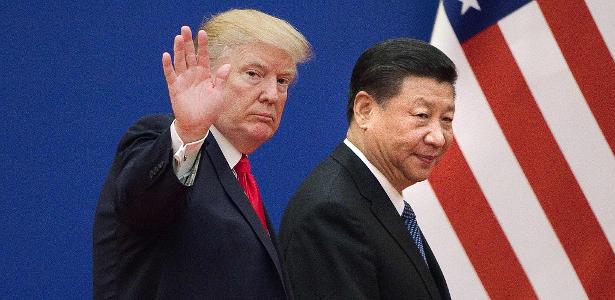
One of the trump cards, according to negotiators, was the Chinese argument. What Brazil claimed is that, with tariffs against national products, the USA would increase its dependence precisely on its biggest rival: China.
According to data presented by Brazilians, China is the main competitor for almost half — 48.5% — of the industrial products that Brazil exports to the USA. These goods currently suffer an additional 40% tariff imposed by the Trump administration.
The result, the argument goes, is that tariffs against Brazil will increase the US trade deficit and dependence on Chinese supply chains. In some sectors, this substitution would directly harm American subsidiaries operating in Brazil.
The argument was further that, in contrast, importing certain products from Brazil supports US companies, while promoting US economic and strategic interests.
Under the Trump administration, China is considered the biggest rival for American interests. Marco Rubio, who will lead negotiations with Brazil, even warned the US Congress that China is “the greatest existential challenge in US history”, surpassing even the USSR during the Cold War.