
By Bolsonaro, Trump uses accusation about more doctors denied by the MPT
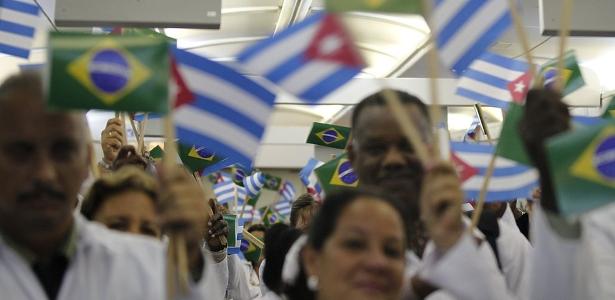
However, an investigation conducted by the Regional Labor Attorney’s Office of the 10th Region, in Brasilia, considered that the situation does not fit, from far, to slave labor. The Labor Prosecutor’s Office points out that the compensation model of the agreement between Brazil and Cuba to Mais Médicos represented discrimination of Cuban workers, as our law guarantees salary equality and labor rights, but not modern slavery.
The MPT, together with the Ministry of Labor and Employment, is the basis of repression of slave labor in Brazil. Together, the institutions have rescued more than 65,000 people since 1995, and therefore the agency is qualified to affirm what fits or not in this crime. In accordance with Article 149 of the Penal Code, this is configured by forced labor, debt servitude, degrading conditions or exhaustive journey. Complaints of maids enslaved by decades or workers tortured on cattle farms are frequent.
Created in 2013 by the Dilma Rousseff administration, Mais Médicos summoned Brazilian and foreign professionals to work in needy service places paying them a scholarship. While on the one hand, this generated discontent from Brazilian doctors (with arguments ranging from the fact that the program does not solve the structural, material and equipment to corporatism), on the other hand, the support demonstrations show that it was well received by the poorest layer of the population.
The agreement with the Cuban institution responsible for the professionals, signed via the Panamerican Health Organization (PAHO), provided that a “tax” is charged from doctors who are on a mission in Brazil. The net amount passed on was $ 3,000, while the Cuban government had $ 8.8 thousand, paid monthly – less an operational fee that gets to the PAPS. In addition to this amount, doctors also received housing allowance and food allowance from the municipalities.
This form of remuneration generated controversy, since the other participants of the program, Brazilians and foreigners, received the full value of R $ 11,865.60, at the time, via an individual and non -collective contract.
On the one hand, advocates of this model indicate that it was correct because it was the payment by a medical mission hired from another country and that the value of the deduction was not so higher that taxes on income charged in some countries. On the other hand, critics claimed that the ideal would be for doctors to receive the same as professionals from other nationalities and, if necessary, Brazil would pay separately for the service of the Cuban Health Company.