
Chamber approves PL that makes adulteration of food and drinks a heinous crime
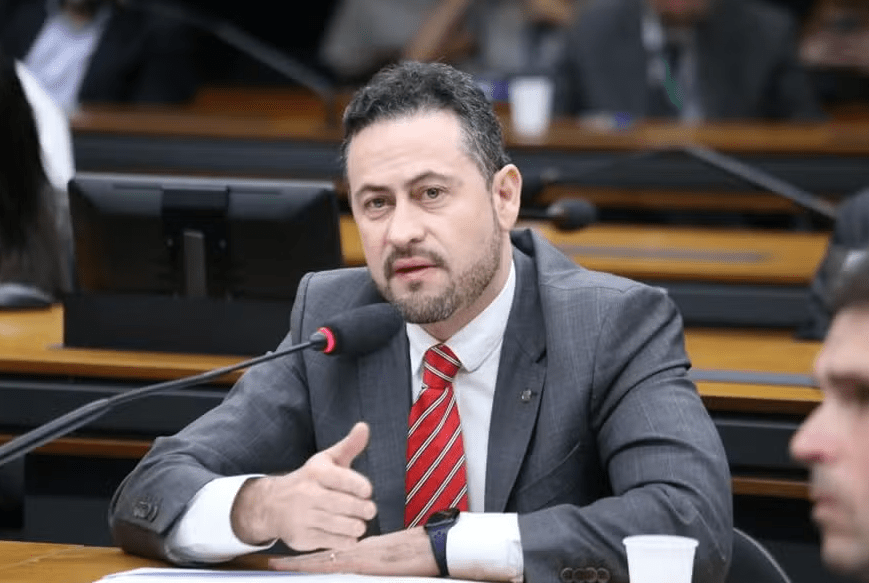
The Chamber of Deputies approved this Tuesday, 28, a bill to make counterfeiting, corruption, adulteration or alteration of substances or beverages, food products and dietary supplements a heinous crime. The approved text, authored by rapporteur Kiko Celeguim (PT-SP), also typifies the crime of possession of artifacts and packaging for counterfeiting drinks and food products.
The proposal that gained traction amid cases of methanol poisoning, especially in São Paulo, now goes to the Senate.
The penalty for the aforementioned crimes is four to eight years in prison. In the case of counterfeiting drinks or food, the penalty may be increased by half if it results in serious or very serious bodily injury. In the event of death, the expected penalty is five to 15 years in prison.
FREE LIST
10 small caps to invest in
The list of stocks from promising sectors on the Stock Exchange
Chamber approves free check-in and carry-on baggage on domestic flights
The measure was included in the agenda of concentrated efforts by Hugo Motta, who ignored the project approved in the Senate

Chamber approves menstrual leave of up to 2 days per month; text goes to the Senate
Project guarantees paid leave for workers with debilitating symptoms during the menstrual cycle
Celeguim’s report also proposed the creation of a national system for tracking the production of alcoholic beverages. “We suggest that this system, when implemented, be under the coordination of the Ministry of Justice and Public Security, with a view beyond merely tax issues, but focused on public security and Brazilian consumer rights”, recorded the text.
According to the proposal approved by the Chamber, the Public Power will be able, under the coordination of the Ministry of Justice and Public Security, to create tracking systems that allow monitoring the production, circulation and final destination of alcoholic beverages and other products classified as sensitive in specific regulations.
It was also proposed to implement a “more efficient collection and recycling” system for glass bottles used in distilled beverages, following the example of what already exists in other countries, with the introduction of such an obligation in the law that deals with the national solid waste policy.
