
Chamber approves R $ 10.5 billion in amendments and ignores STF’s decision on transparency
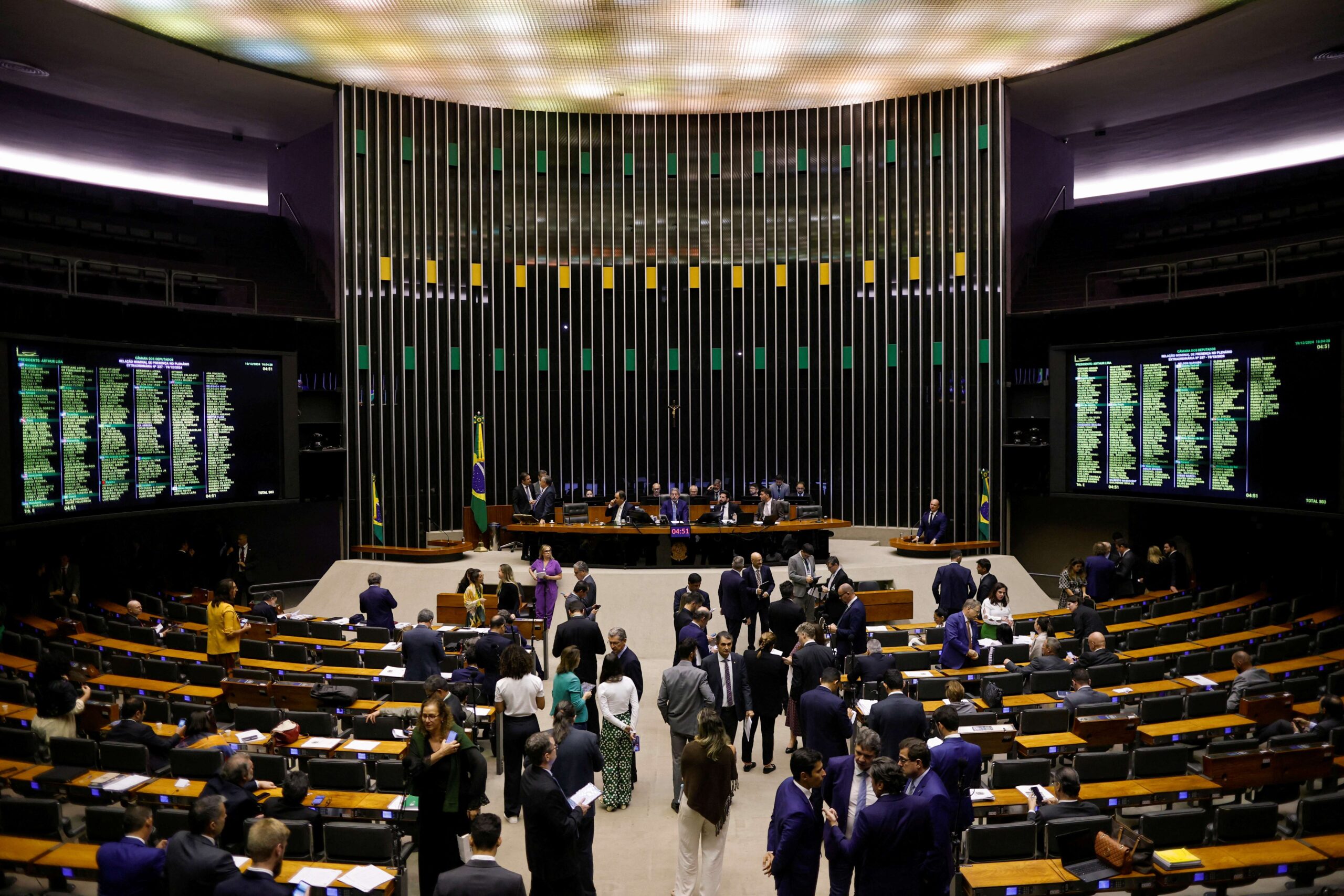
The House of Representatives approved on Wednesday (13) the allocation of R $ 10.5 billion in commission amendments to the budget, without any prior debate, transparency on the contemplated projects or dissemination of who are the political godparents of the funds.
The vote occurred rapidly, with deputies receiving the agenda at the time of the session and without the possibility of changing the list of beneficiaries.
The format contradicts Minister Flávio Dino of the Federal Supreme Court (STF), who had required the nominations to be discussed and voted in the commissions, with publicity on the authorship and fate of resources. Last year, Dino even suspended all amendments for lack of transparency, amid a crisis between Congress and Supreme.
Free tool
XP Simulator
Learn in 1 minute how much your money can yield
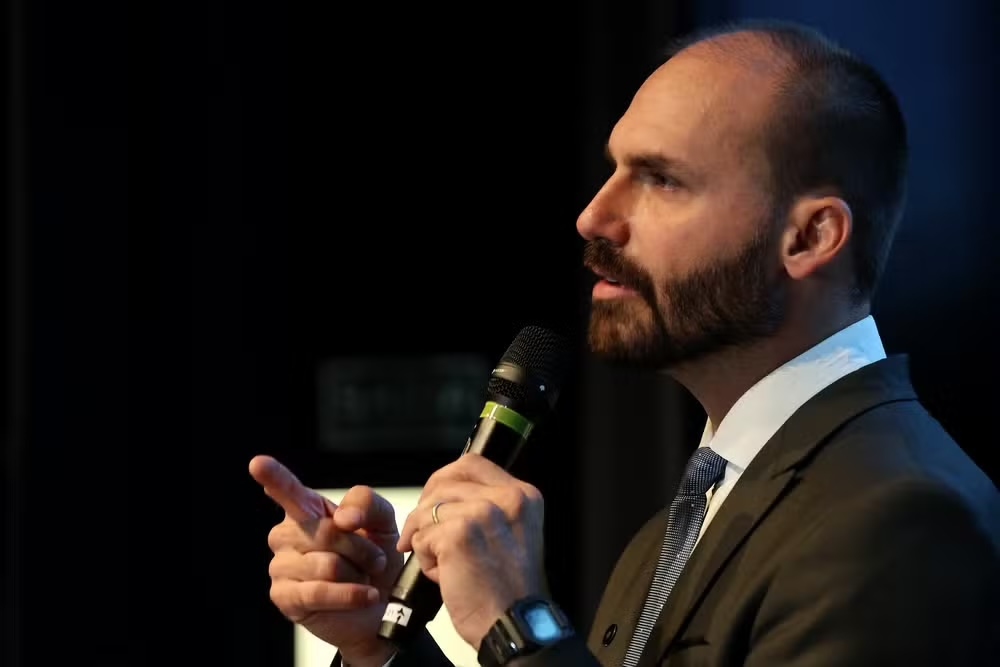
Eduardo Bolsonaro goes to Washington to try to expand US sanctions against authorities
Son of the former president seeks support in the Trump administration to extend magnitsky’s application to new targets, including STF ministers and family members
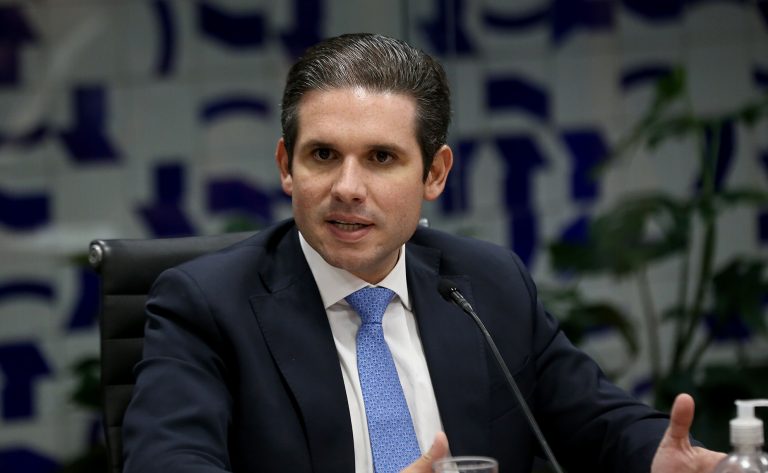
Hugo Motta defines priorities of the House and leaves opposition guidelines off the list
PEC of Public Security, Administrative Reform and AI regulation are among the topics; end of the privileged forum and amnesty of those involved in 8/1 were left out
The movement was articulated by the mayor, Hugo Motta (Republicans-PB), who summoned committees of commissions the day before to accelerate voting, even without the complete spreadsheets sent by the parties.
The gesture is part of a strategy to strengthen its authority after facing a riot of parliamentarians who blocked its performance in the plenary for almost 30 hours, in protest against non-vote on amnesty to former President Jair Bolsonaro (PL).
Model inherited and criticism
Commission amendments replaced the so -called “rapporteur amendments”, declared unconstitutional by the Supreme Court in 2022 for lack of transparency and associated with deviation cases. Under Arthur Lira (PP-AL), the previous model was used to build majorities in the plenary.
Now, the management of Hugo Motta and Senate President David Alcolumbre (Brazil-AP Union) maintains strong control over the distribution of resources, still without breaking with the opacity logic criticized by the Supreme.