
China’s economy remains stable, but the government is looking for ways to resolve the bottleneck
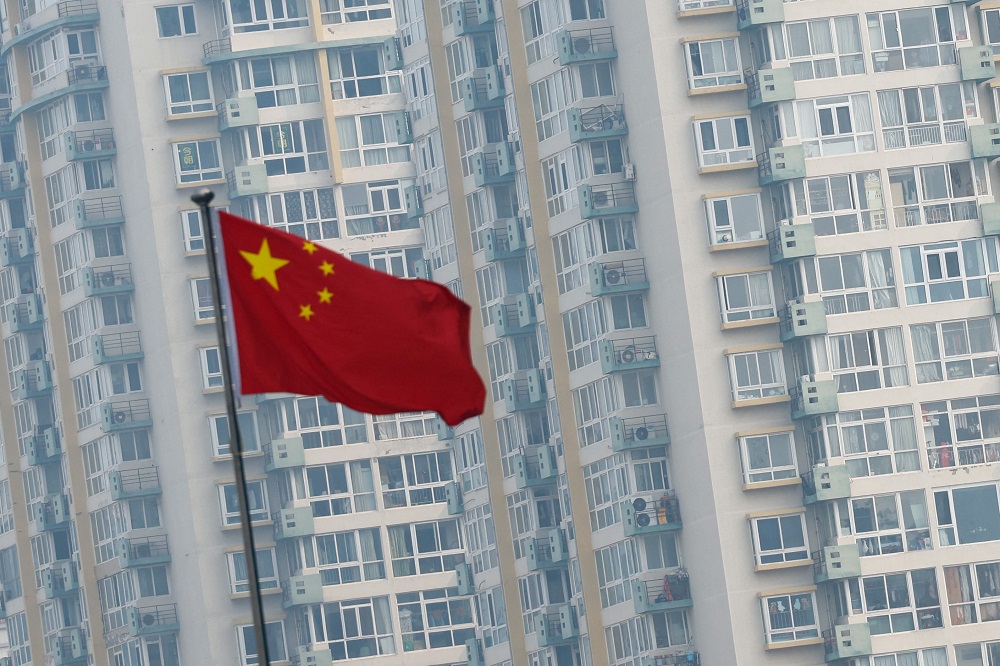
Robust exports and continued investment in new factories offset falling retail sales and further erosion of the Chinese property market, as growth in China’s economy held steady over the summer.
In the third quarter of the year, from July to September, China’s economy grew 1.1% from the previous quarter, maintaining roughly the same pace as in the spring, China’s National Bureau of Statistics said in a statement on Monday. If this pace continues, the economy will expand by about 4.1% over the next 12 months.
Trump: China may pay 155% tariff without agreement, but understanding with Xi is expected
The US president repeated that he will meet with Chinese President Xi Jinping in South Korea in the coming days, at the end of October, to discuss trade relations
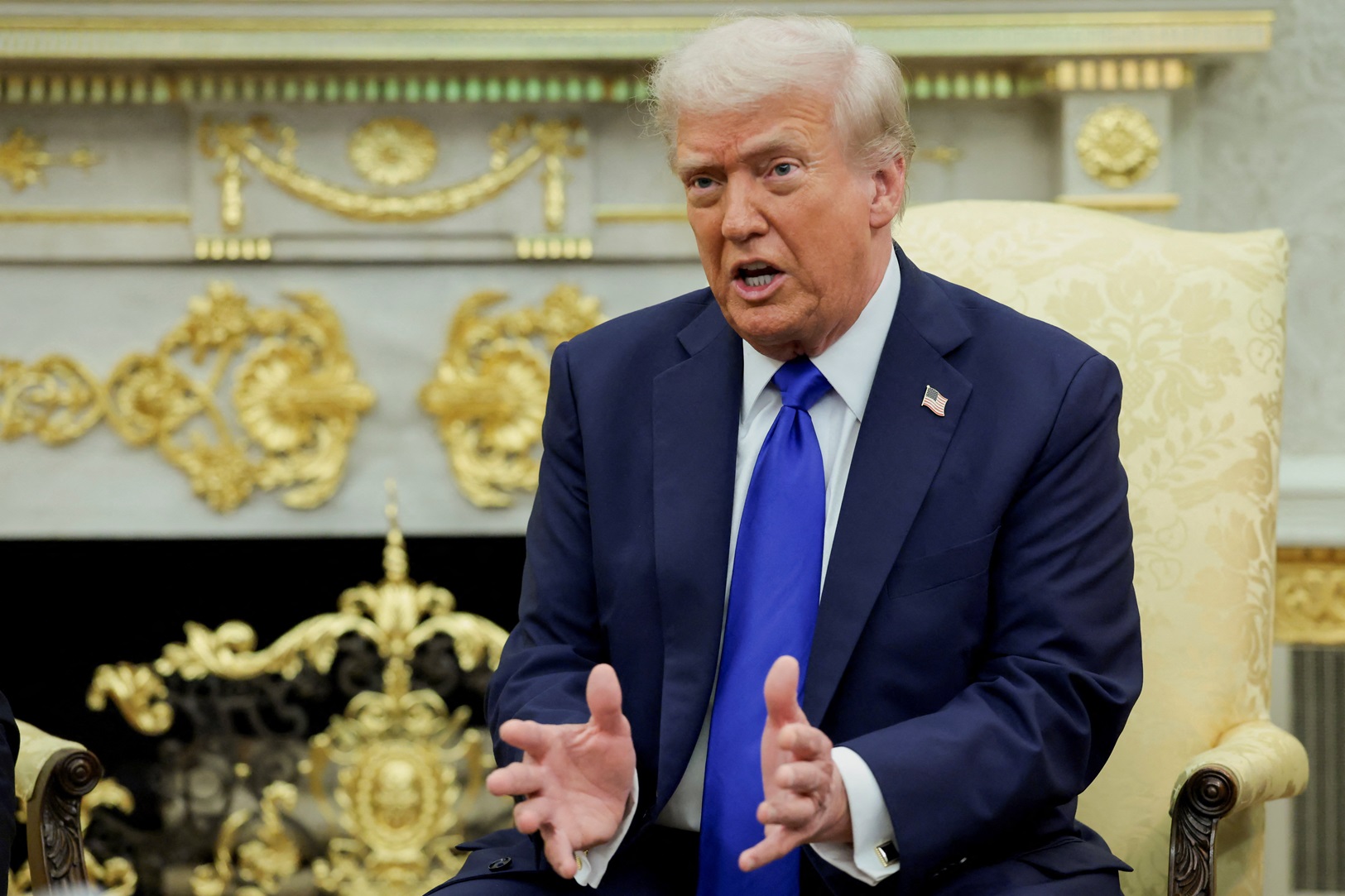
Trump says he will go to China early next year
“I’ve been invited to go to China and I will do so sometime early next year. We have that more or less defined,” said the US president
Over the past four years, the sharp decline in the housing market has erased much of Chinese families’ savings, leading many to reduce spending.

Take your business to the next level with the country’s top entrepreneurs!
The central government has tried to offset this by providing subsidies for consumers to buy smartphones, electric cars, household appliances and other goods made mainly in China.
However, some local governments, which bear part of the cost of subsidies, are reducing their spending on these programs.
Apartment prices have fallen by up to 40% in many cities from their summer 2021 peak, dealing a crippling blow to developers and construction companies.
The contraction in the real estate and construction sector, which once accounted for a quarter of the Chinese economy, continued during the third quarter.
Retail sales of consumer goods are still weakening. They increased just 3% in September compared to the same month last year, according to data released on Monday. This was the smallest increase since November, when growth was also 3%.
So far, investment in new factories has offset some of this weakness. The government has been concerned about excess production capacity, price wars and other signs of excessive competition in the manufacturing sector.
Investment in exports and policies to replace imports with Chinese-made goods continue to boost the economy. The country’s surplus in the trade balance of goods increased by 12.4% in the last three months compared to the same period last year.
China’s trade surplus — the amount by which exports exceed imports — is on track to surpass $1 trillion this year, breaking its own record from last year.
While China’s exports to the United States have declined due to President Donald Trump’s tariffs, its exports to developing countries have soared.
Some exports to other countries are then sent to the United States. But others are being used to build factories and solar panel farms in emerging markets and to take market share from local companies.
A growing number of countries, from Brazil to Türkiye and Indonesia, have begun to follow the American example, imposing tariffs on imports from China.
The growth data announced on Monday was slightly better than many economists had expected because the Office for National Statistics revised downwards its calculation for the previous quarter.
The department said economic output was 1% higher in the spring than in the winter, not 1.1% higher as it announced in July.
In an upbeat statement, the statistics bureau portrayed the economy as essentially healthy. “The national economy demonstrated strong resilience and vitality” during the third quarter, he said.
By a measure the Chinese government prefers to highlight, the economy was 4.8% larger in the third quarter than in the same quarter last year, the agency said on Monday. Some analysts have questioned whether Chinese data overestimates the economy’s performance.
The statistics department did not hold its usual press conference to discuss the data, possibly because the regularly scheduled release of the data coincided with the start of the annual meeting of the Chinese Communist Party Central Committee.
The committee, made up of 370 of China’s most powerful people, is expected to review the country’s Five-Year Plan for policies on the economy and other issues from 2026 to 2030.
It may be that the Central Committee approves measures in the coming months to address the country’s economic weakness.
Some economists are waiting for the Chinese leadership to announce measures to help families and bolster consumer spending, such as increasing pensions for rural elderly people, who receive as little as $20 a month.
“The slump in the property market is weighing on retail sales, but more measures to stimulate consumption are on the way,” said Xu Sitao, chief China economist at Deloitte.
But other economists expect China’s leadership to reinforce the country’s long-standing emphasis on building railway lines, highways, bridges, hydroelectric dams and other government-led construction projects.
Many local governments cannot afford these projects because their land sales to developers, once one of their biggest sources of revenue, have dwindled during the housing crisis, even as their maintenance costs for newly built infrastructure have risen.
But China’s national government has considerable capacity to finance large projects and is likely to continue to do so, notably in western China, said Dan Wang, China economist at the Singapore office of Eurasia Group, a global consultancy.
“For local governments, it’s now all about maintenance — construction has been left to the central government,” he said.