
Deportations in the US could disrupt business operations, says Fed representative
The widespread deportation of foreign workers from the United States would likely jeopardize some businesses, but the impact on inflation and the broader economy would depend on the details. The statement was made this Sunday (10) by the president of the Minneapolis Federal Reserve, Neel Kashkari.
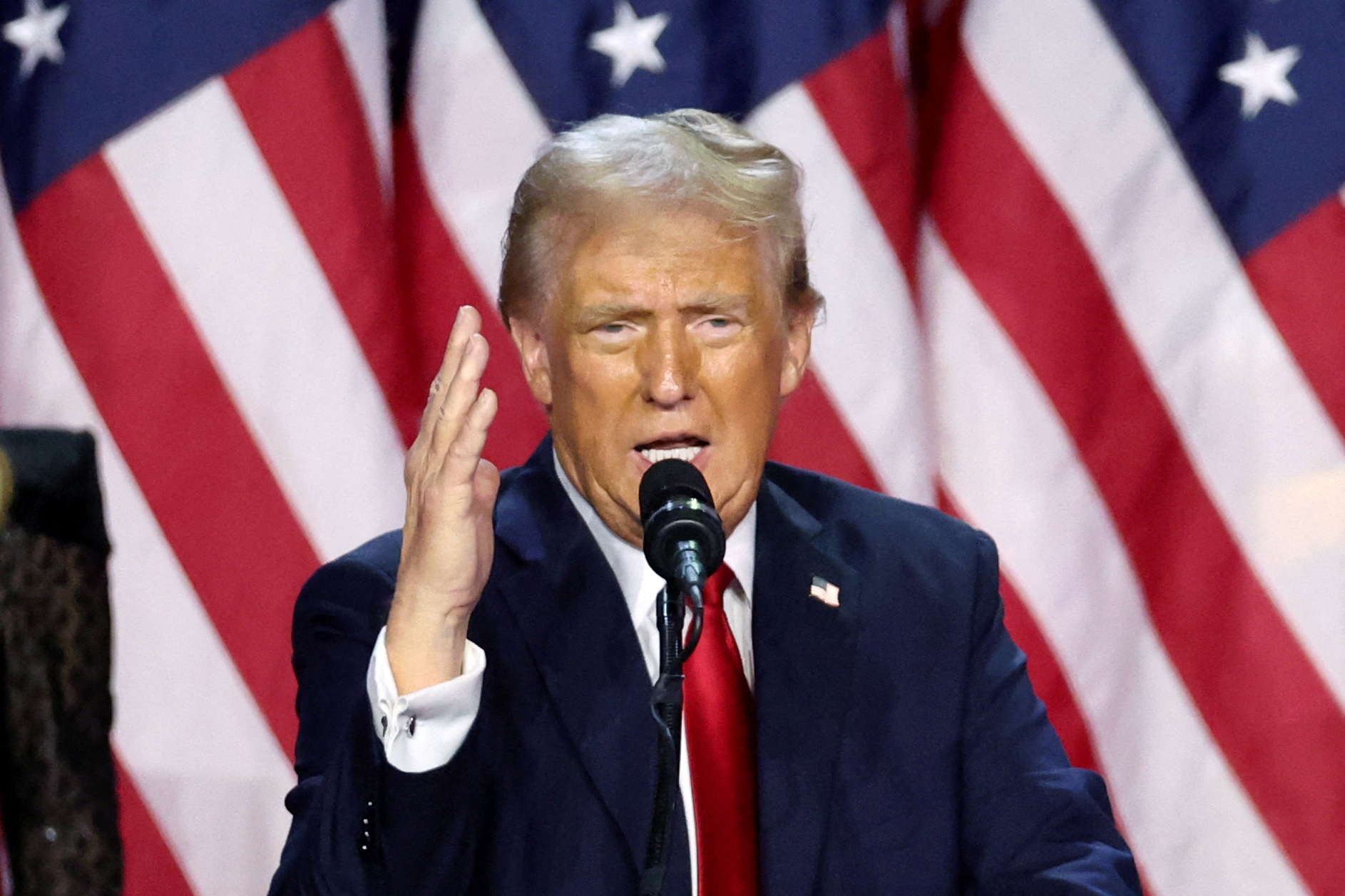
On the CBS program “Face the Nation,” Kashkari spoke about the possible economic impact of United States President-elect Donald Trump’s campaign promise to deport immigrants who are in the country illegally.
“If you just assume that people are working — whether on farms or in factories — and companies lose those employees, we would probably have a problem,” Kashkari said.
“The implications are still not entirely clear to me,” he added. “Ultimately, it will be up to the business community, Congress and the executive branch to decide how they would adjust.”
Trump’s election last Tuesday to a second four-year term could pose new uncertainty for the US central bank as it continues to consider interest rate cuts as inflation approaches the 2% target. The Fed cut the key rate by 0.25 percentage points last week, to a range between 4.5% and 4.75%.
Kashkari said that while the current expectation is for another quarter-point cut at the December Fed meeting, “we need to see what the data actually looks like” before deciding.
“We want to make sure that inflation falls to our target of 2% from the current level, about half a percentage point above that,” Kashkari said.
Along with cracking down on immigration, Trump has said he will impose broad tariffs on imported goods and cut taxes, which could increase federal deficits. The impact of these policies on inflation, according to Kashkari, will depend on the details and factors such as how other nations will respond to the new tariffs.
A tariff, fee or tax levied as goods enter the country may cause a one-off increase in prices, but has no impact on long-term inflation, Kashkari explained.
“The challenge is if there is an eye for an eye. If it is a country that imposes tariffs and then responses, and the situation escalates… we will have to wait and see what will be implemented and then how other countries will respond. Right now we’re all just guessing,” he said.