
Devil’s cucumber intrigues scientists: explosive jet launches seeds at 70 km/h
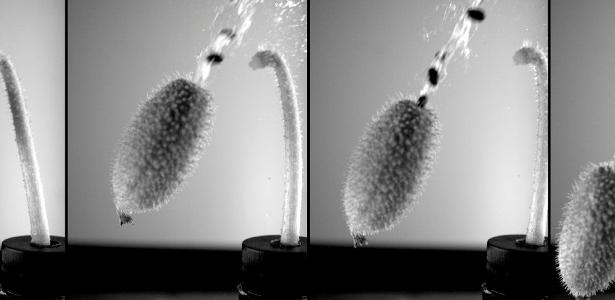
All of these factors cause the seeds to be ejected at varying speeds and angles. In this way, some seeds reach greater distances and others shorter ones.
This results in a wide and almost uniform distribution, with the seeds covering an area between 2 and 10 meters from the plant. “It’s not enough to just throw your seeds away – you also want them to be spread out well if you want to increase the likelihood that some of them will survive to produce new plants,” said Dr Derek Moulton, professor of applied mathematics at the University of Oxford and co-author of the study, in an interview with CNN.
The researchers also worked on changing these variables and understanding the consequences. They concluded that these factors are essential to ensure near-optimal dispersal and survival of the species.
The first time we inspected this plant at the Botanical Garden, the seed release was so rapid that we weren’t sure if it had actually happened. It was very exciting to unravel the mechanism of this unique plant
Dr. Derek Moulton, in an interview with the University of Oxford