
Did you switch off on holiday? See everything you need to know about Maduro’s capture by the US
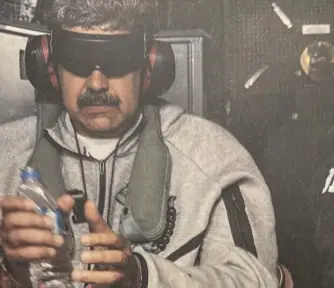
The deposed president of Venezuela, Nicolás Maduro, arrived in New York on Saturday night (4) to answer charges of drug and weapons trafficking, just hours after the president of the United States, Donald Trump, announced that the US had captured him and intended to “administer the country”.
The American military operation in Venezuela was the culmination of a months-long campaign by the Trump administration to overthrow the authoritarian leader. In the US, the action generated both protests against military intervention and celebrations among Venezuelan migrants for the fall of Maduro.
Read more: InfoMoney does a special live to analyze impacts on stock markets in Venezuela
What happened?
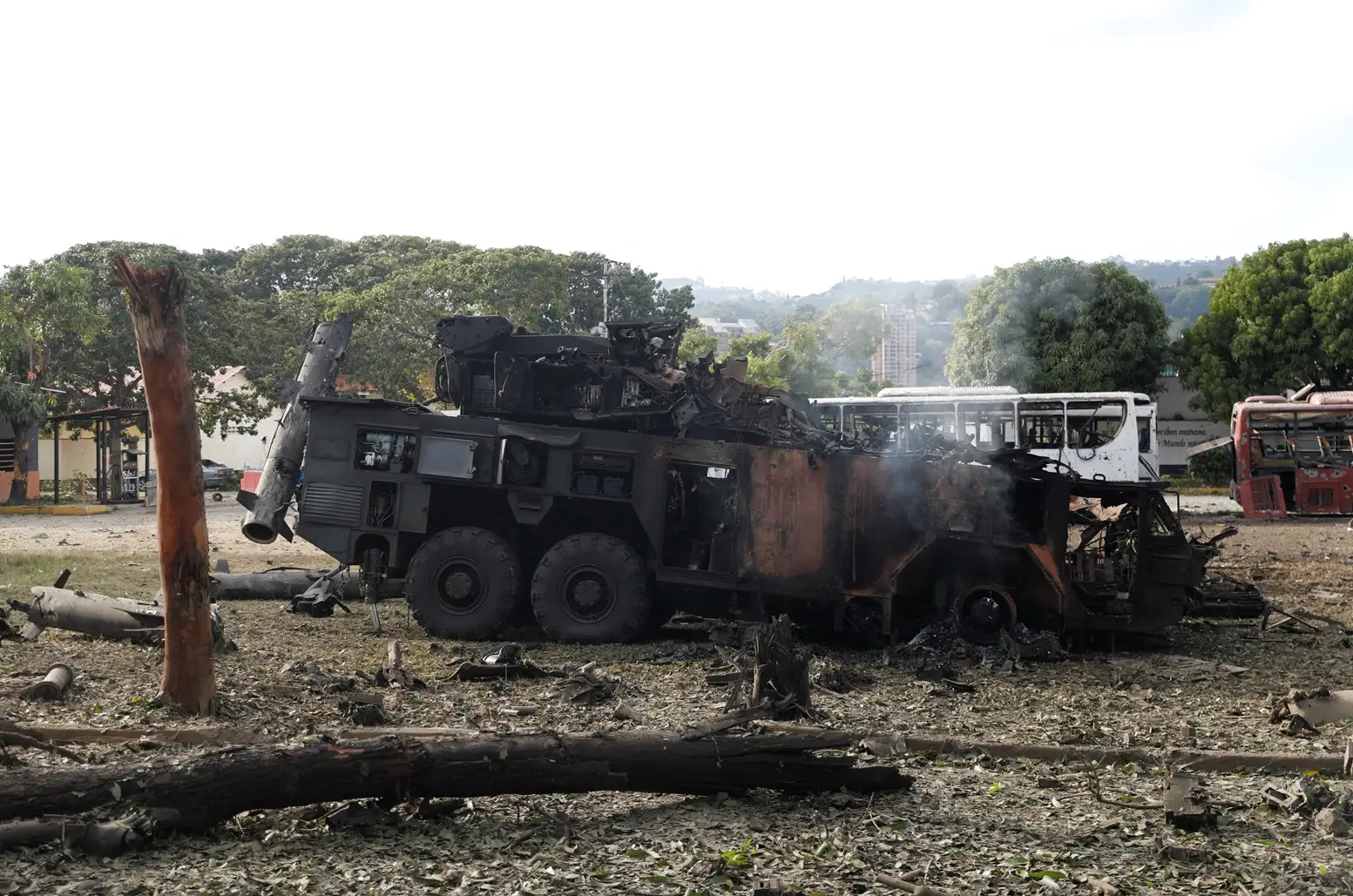
The United States carried out a “large-scale attack against Venezuela” in which Maduro and his wife, Cilia Flores, were captured, Trump said. Gen. Dan Caine, chairman of the Joint Chiefs of Staff, said Trump ordered the operation Friday night. The mission involved 150 aircraft that neutralized Venezuelan air defenses so that military helicopters could take troops to Caracas.
The operation lasted about two hours and 20 minutes and continued until early Saturday, when Maduro and Flores “surrendered,” Caine said. According to Trump, American forces faced significant resistance. At least 80 people died, including civilians and military personnel, according to preliminary reports from a senior Venezuelan official.
No Americans were killed, Trump said. Two American officials said about six soldiers were injured.
Did Trump have the authority to capture Maduro?
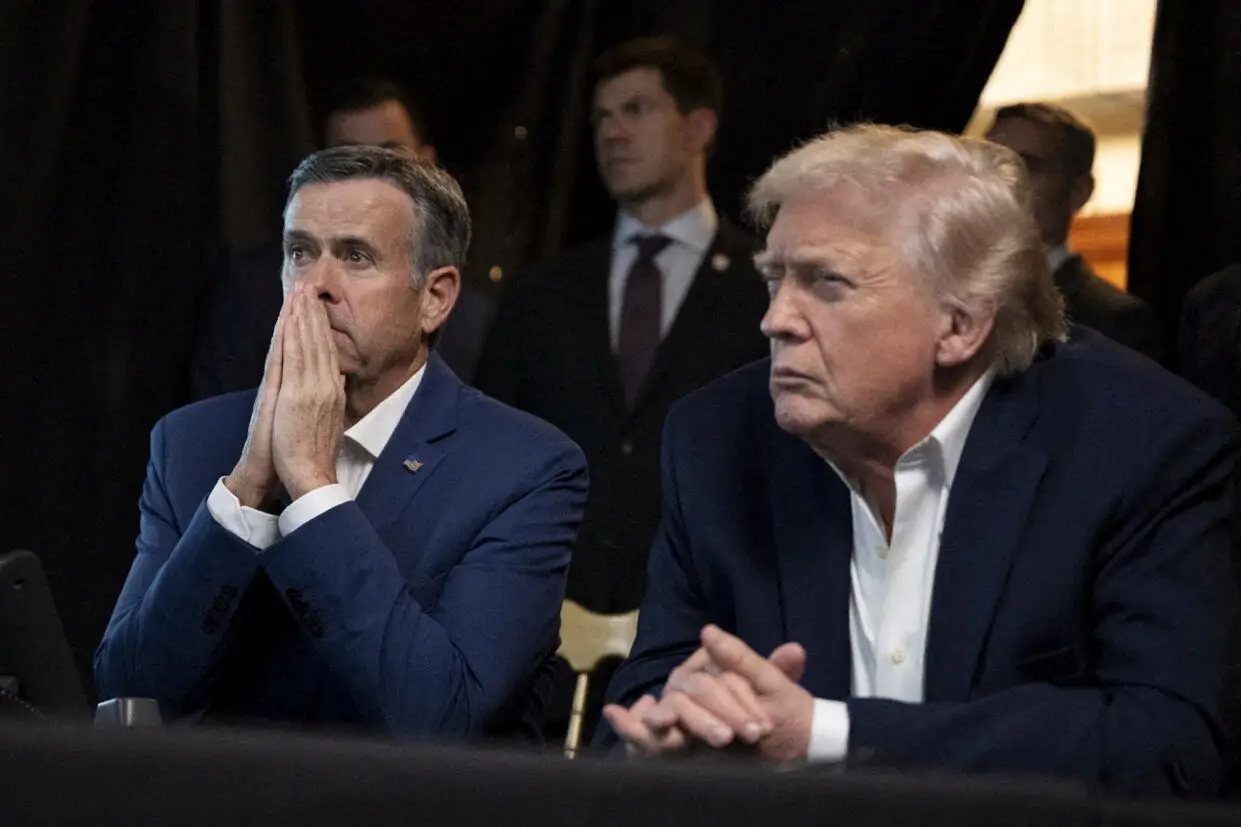
Secretary of State Marco Rubio stated that it was not possible to inform the US Congress before the attack. He and Trump have classified the mission as a law enforcement operation rather than a military action, which would require greater congressional oversight.
Trump downplayed concerns about the constitutionality of the action, saying Democrats should praise the effort, not question it.
Democrat Jim Himes of the House Intelligence Committee asked the administration to legally justify the operation and present a plan for the region.
Who is in charge of Venezuela now?
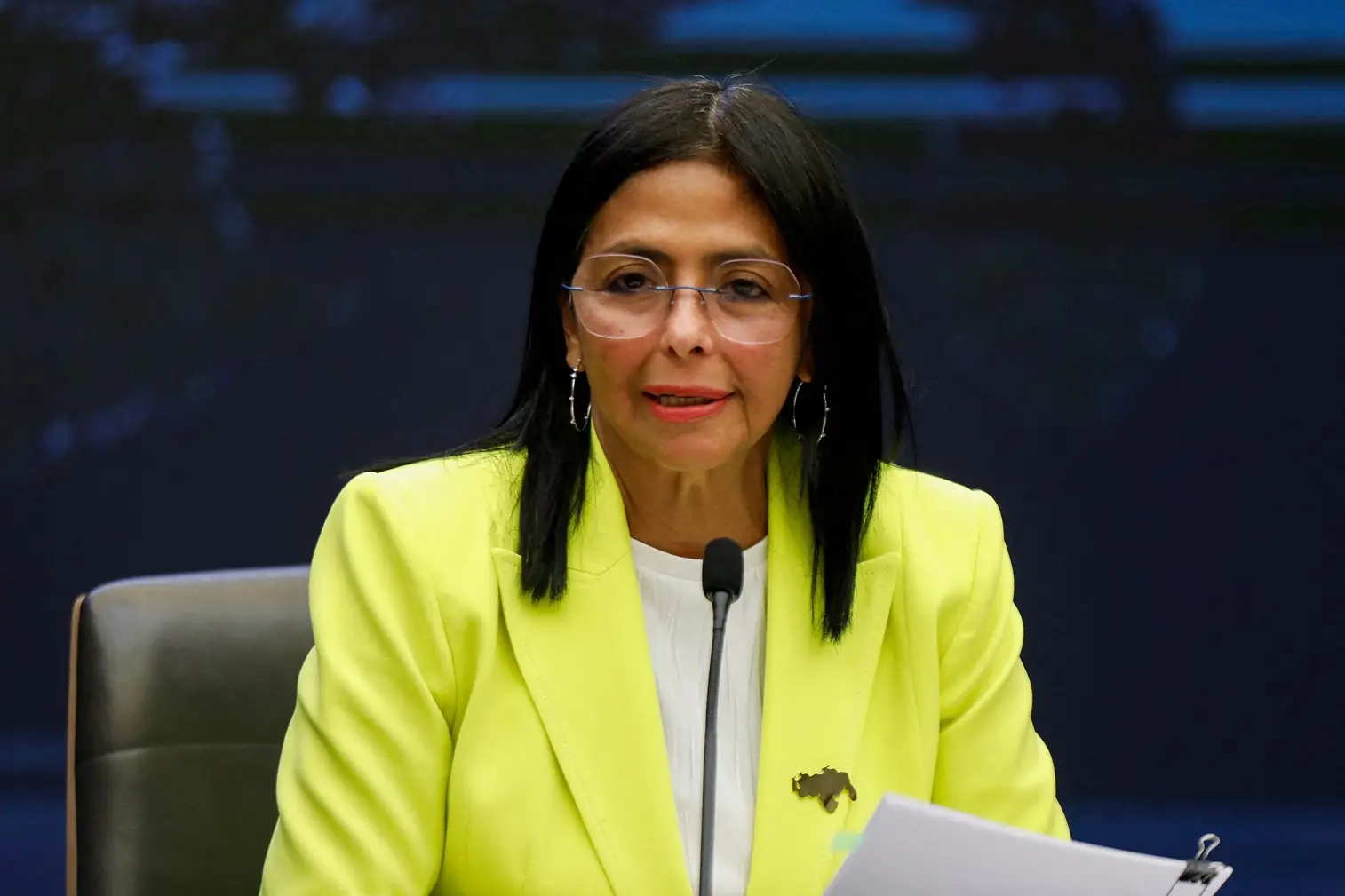
Venezuelan Defense Minister Vladímir Padrino López stated that Maduro’s government is still in power and that the Army will guarantee the country’s governability.
Vice President Delcy Rodríguez was sworn in as interim president in a secret ceremony on Saturday, according to sources close to the government. Venezuela’s Supreme Court recognized Rodríguez as interim president.
Trump said that the US intends to “manage” Venezuela until a transition occurs, but did not detail how this will be done, focusing mainly on American interests in the exploration of Venezuelan oil.
Rubio stated that the US will maintain a “quarantine” to prevent the entry and exit of sanctioned oil tankers and maintain “influence” over the country.
Rodríguez, in turn, repudiated the American intervention, stating that Maduro remains the legitimate president of Venezuela.
What will happen to Maduro?
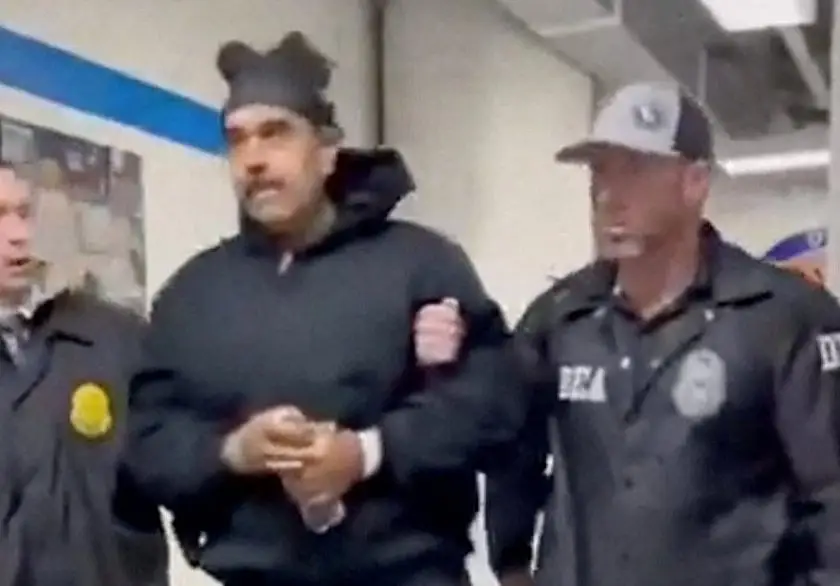
Maduro and Flores “will soon face the full force of American justice,” said Attorney General Pam Bondi.
They arrived in New York on Saturday to face drug trafficking charges. Maduro was taken to the Metropolitan Detention Center in Brooklyn.
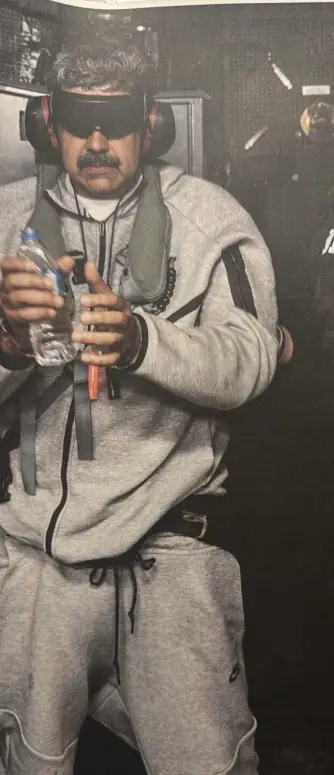
A photo released by Trump shows Maduro in handcuffs, wearing a black mask and headphones.
The charges against him include conspiracy to commit narco-terrorism, importing cocaine and possessing machine guns, crimes that can result in long prison sentences.
The accusation is similar to the one presented in 2020, which linked him to the Cartel de los Soles, an alleged trafficking organization linked to Venezuelan military officers. Although the cartel does not exist as a formal organization, the term is used to describe the involvement of senior military personnel in drug trafficking, without public evidence that Maduro was directing the operation.
