
Dogs living near Chernobyl would be ‘immune’ to radiation
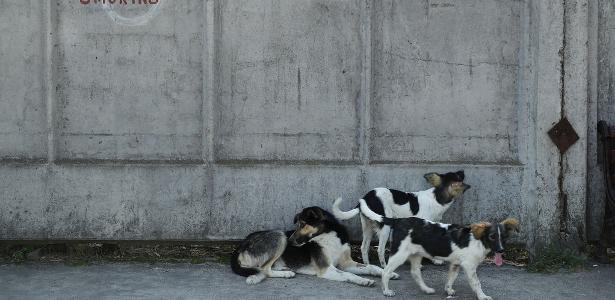
Researchers have found that animals descended from those affected by Chernobyl are genetically distinct from other groups in the country or in Europe. Situated in a region relatively isolated by the consequences of the disaster, 77% of dogs are relatives of each other. For the study, 15 distinct families were identified.
The closer to the plant a pack lives, the less genetic traits of modern dogs the animals have. This indicated that they are descendants of few individuals, besides living and reproducing practically confined in this environment, pointed out analysis published in the scientific journal Science Advances in 2023.
But dogs are no longer protected from cancer
Researchers wanted to understand if animals survive in the inhospitable area thanks to genetic mutations that prevent cancer formation. The disease has affected (and even victimized) a significant slice of humans exposed to the radiation of Chernobyl in the following decades.
But radiation -induced mutations did not create differences between Chernobyl dog populations and those farther from the epicenter of the disaster. The second phase of study revealed that Chernobyl dogs, although related, had essential similarities with Russian or Polish dogs.
Although this dog population is more than 30 generations far from that present during the 1986 disaster, mutations could still be detectable if they have gathers an advantage of survival to original dogs. But we found no evidence of this in these dogs. Matthew Breen, professor of genetic oncology at North Carolina State University and one of the study participants