
Everything you need to know about the US and Israeli attacks on Iran
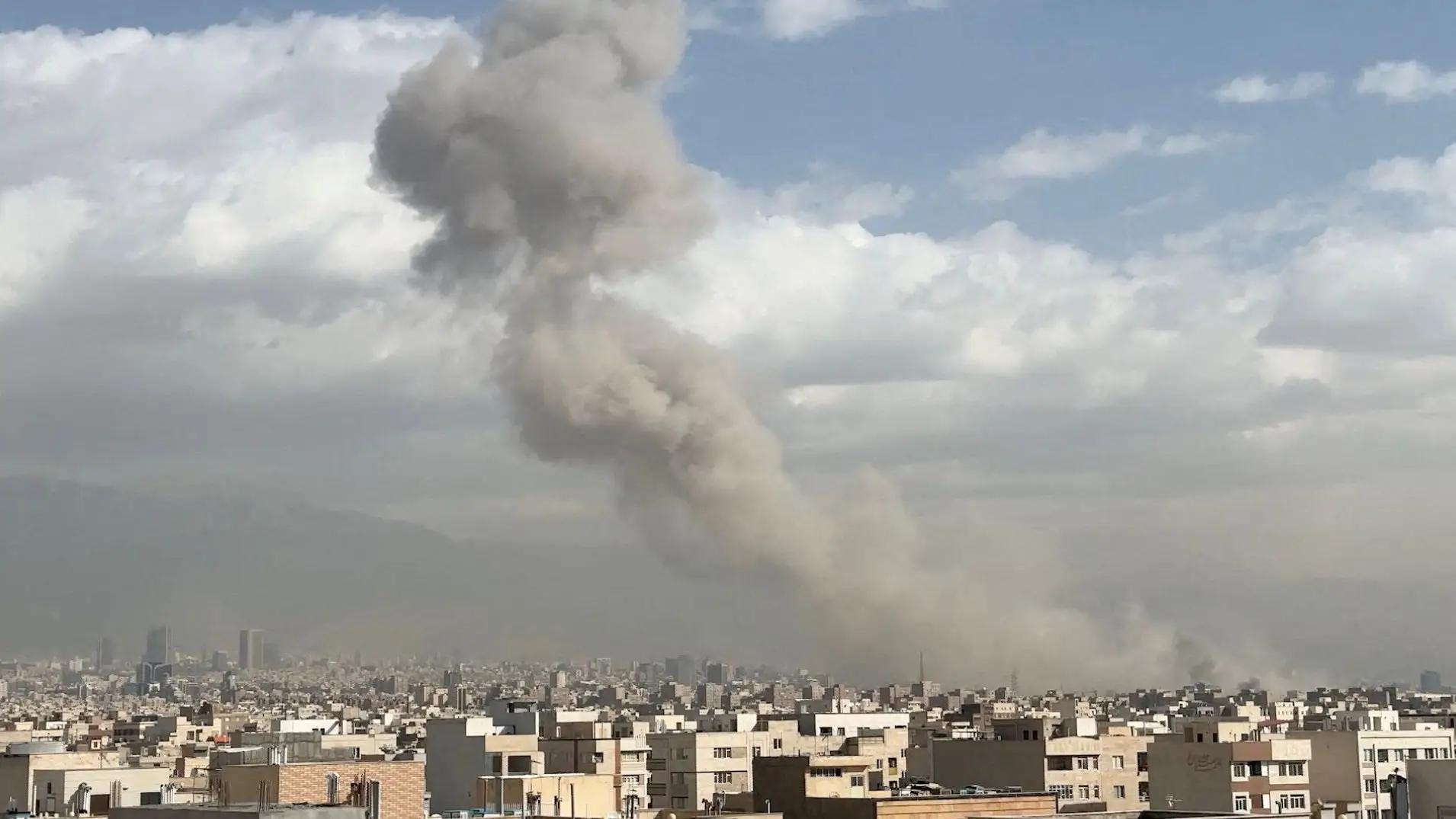
The United States and Israel launched a major military offensive against Iran this Saturday (28), which Trump described as an opportunity to promote regime change in Tehran.
The operation came after weeks of repeated threats from the American president, who said that the US would attack Iran if the country’s leadership did not accept Washington’s demands, especially regarding Iran’s nuclear program. On Thursday, American and Iranian officials participated in a final round of mediated talks, which ended without progress.
On Saturday, Trump announced that “major combat operations” were underway on Iranian territory. The Department of Defense named the offensive “Operation Epic Fury” (“Operation Epic Fury”).
Everything you need to know to protect your wallet
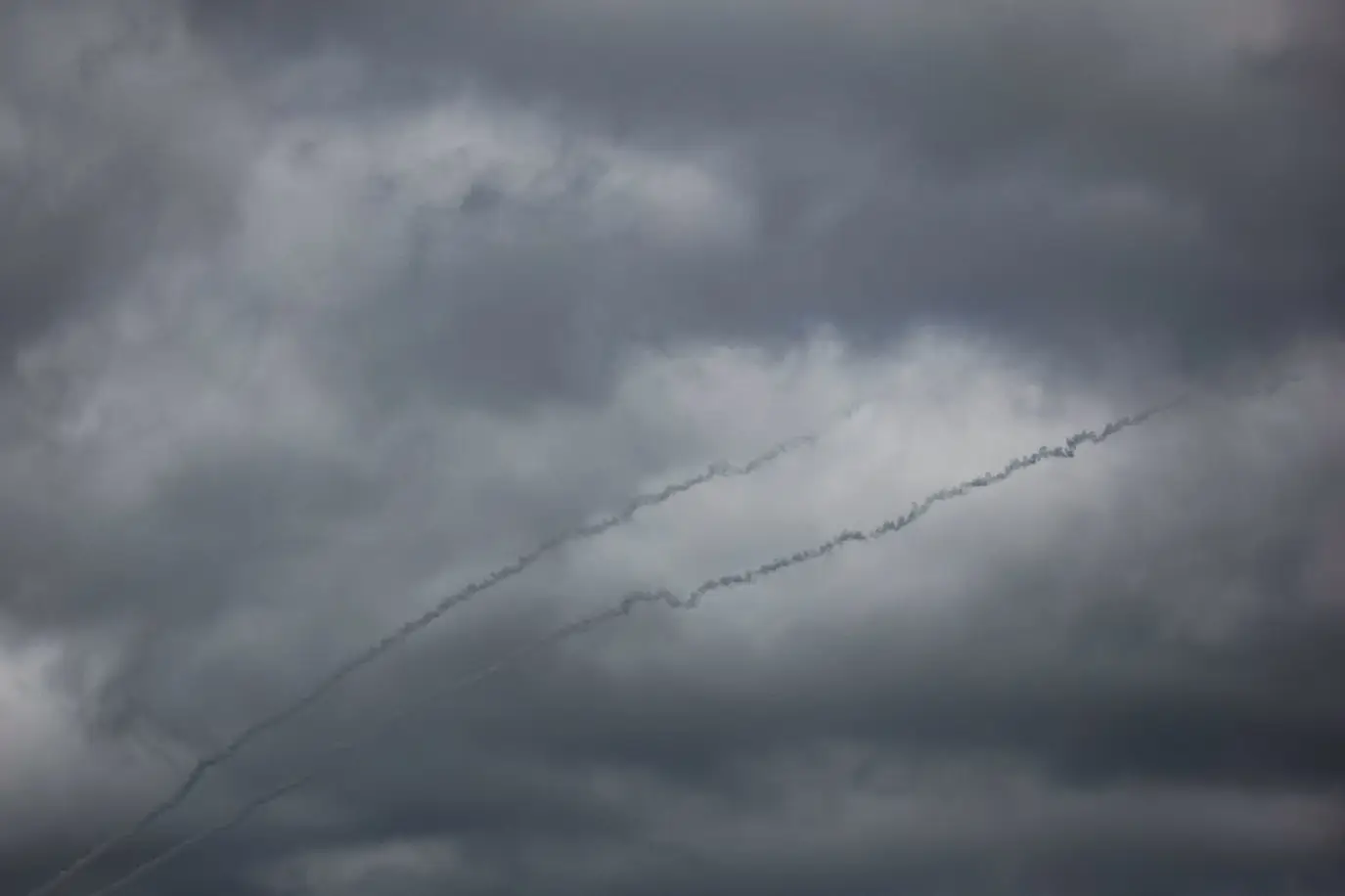
Why the stock of defensive missiles worries Israel and the US in a new clash with Iran
Defenses that shot down most of Iran’s missiles in 2025 now face tight stocks and insufficient production for another protracted conflict
Iran will lead enemies to repentance, says country’s ambassador to Brazil
Ghadiri also posted a statement from the Iranian Foreign Ministry on the attack on the same social network.
Why did the United States and Israel attack Iran?
The most recent phase of tension between the United States and Iran began in January, when Trump pledged to support protesters after the Iranian government used lethal force to suppress protests.
In a recorded message to announce the attack this Saturday, the American president openly asked the Iranians to “take control of their government” after the end of the military action.
“This will probably be his only chance in generations,” Trump said. “For many years, you asked for America’s help, but you never received it. No president was willing to do what I am willing to do tonight. Now you have a president who is giving you what you want, so let’s see how you respond.”
It is the second time in less than a year that the US Army has attacked targets inside Iran. Last June, US forces bombed three nuclear facilities in the country. Now, American officials say they expect a much broader offensive.
For Israeli Prime Minister Benjamin Netanyahu, participating in the attack on Iran is part of a long-standing objective of promoting regime change in a country that he describes as an existential threat to Israel, the Middle East and the world. In a televised address, Netanyahu said the joint offensive could “create the conditions for the brave Iranian people to take their destiny into their own hands.”
What are the targets?
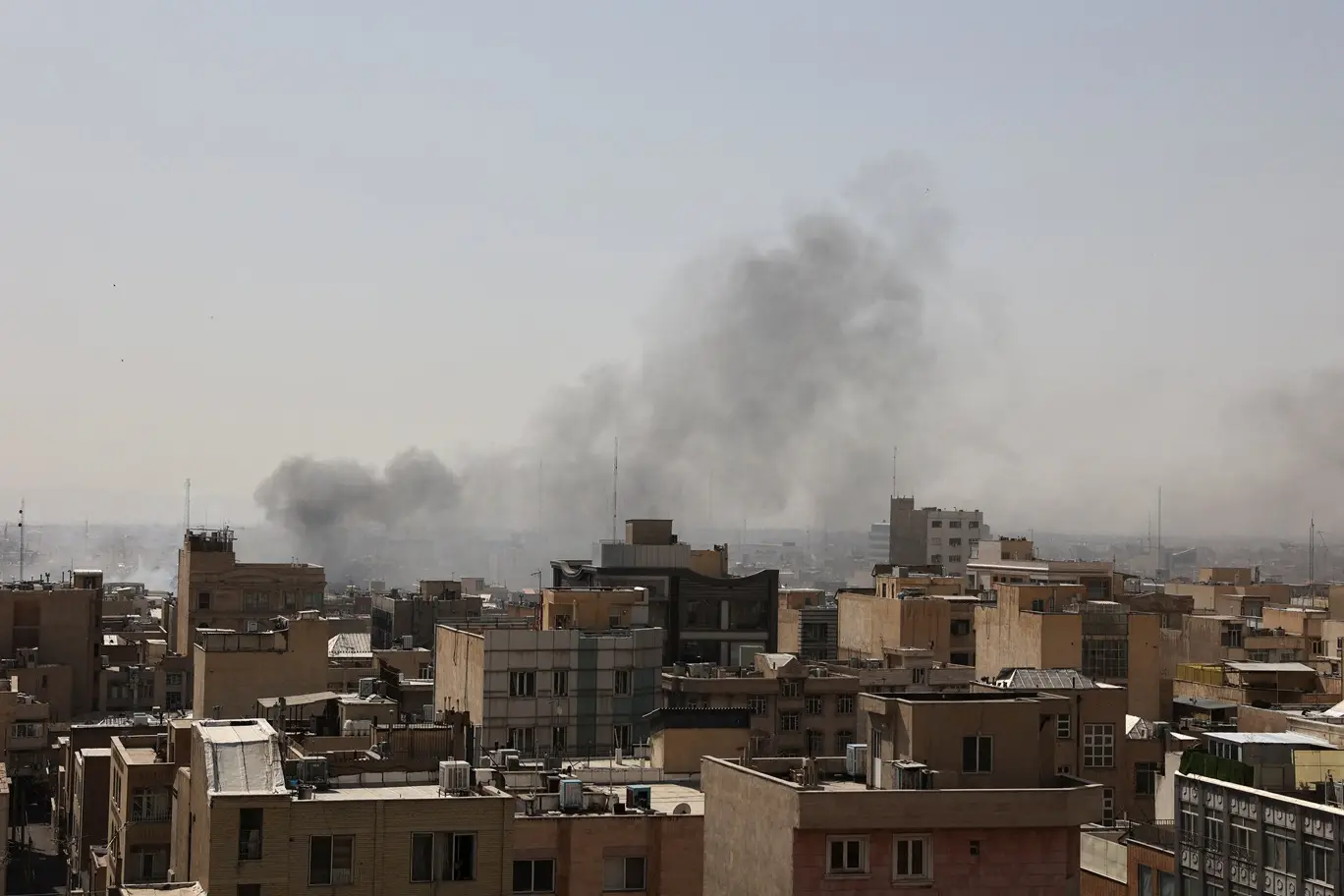
The attacks began on what is the first working day of the week in Iran, with reports of explosions in several cities, including Qom, Kermanshah, Isfahan and Karaj, according to the semi-official Iranian Fars agency. In Tehran, where supreme leader Ayatollah Ali Khamenei lives, images showed dense columns of smoke rising over the capital.
Verified videos showed bombings in an area of Tehran that houses the presidential palace and Iran’s National Security Council, among other important government buildings. Another video showed an explosion near the Ministry of Intelligence.
One of the central objectives of the first joint wave of attacks was to target as many leaders as possible, according to three Israeli security officials familiar with the operation. The Israeli Army further stated that its air force carried out a wide series of bombings against multiple military targets in western Iran.
Officials from both countries said they expected the offensive to last several days.
How did Iran respond?
Iran launched a series of missiles and drones against Israel, the Revolutionary Guard said in a statement posted on Telegram.
Tehran has also fired missiles at American military bases in the region, including Al Udeid air base in Qatar; the Ali Al Salem air base in Kuwait; the Al Dhafra air base, in the United Arab Emirates; and the headquarters of the US Navy’s 5th Fleet in Bahrain, according to Fars.
Qatar’s Defense Ministry said it had “successfully thwarted several attacks” against its territory. The offensive is reminiscent of an attack carried out last June, when Iran fired more than a dozen missiles at an American military base near the Qatari capital, Doha, in response to a US attack on Iranian nuclear facilities.
The Gulf countries are home to several US bases and embassies, and experts have already warned that these structures could become targets of Iranian retaliation. In preparation, the American military reinforced its presence in the region, in a concentration of forces that Trump described as an “armada”.