
Exploring the Untold Stories of Dalit Cuisine: A Weekend Conversation with Author Shahu Patole – Latest Lifestyle Insights and Updates for September 7, 2024
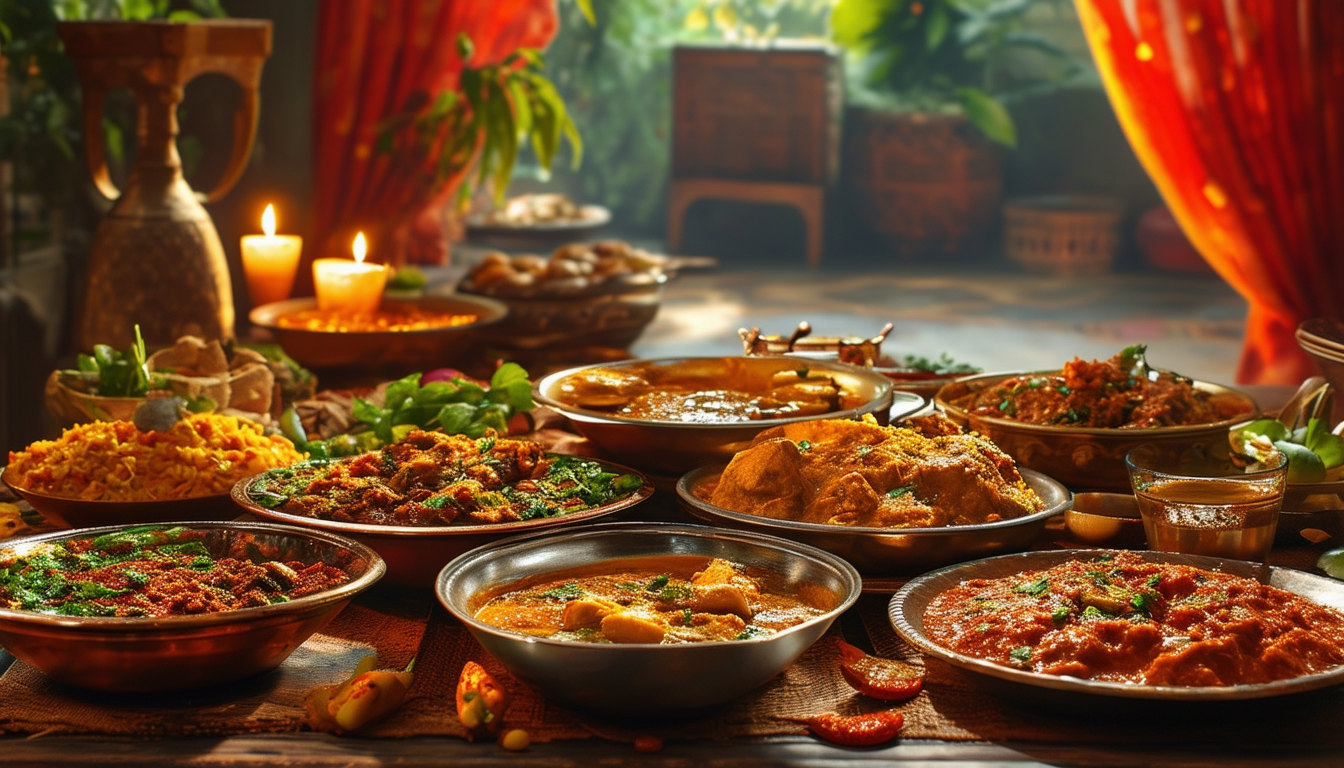
In a captivating weekend discussion, author Shahu Patole delves into the untold stories of Dalit cuisine, shedding light on a culinary tradition often eclipsed by mainstream narratives. Patole, known for his groundbreaking work “Dalit Kitchens of Marathwada,” explores the intersection of food and the caste system, unveiling recipes and memoirs that challenge long-held norms. Join us for the latest insights and updates from September 7, 2024, as we uncover the rich and intricate tapestry of Dalit food culture.
Author Shahu Patole delves into the profound and often overlooked world of Dalit cuisine in his groundbreaking work. Through an intimate weekend interview, he sheds light on the intricate connections between food and caste, drawing from his book “Dalit Kitchens of Marathwada”. This article offers an in-depth look at how Patole documents the culinary traditions of Maharashtra’s marginalized communities while challenging long-standing societal norms.
Introduction to Shahu Patole’s Journey
Shahu Patole, an Aurangabad-based author, has created ripples with his influential book, originally written in Marathi as Anna He Apoorna. The work is not just a cookbook but a memoir with recipes that explores the politics of maintaining social divisions through food. Patole’s effort brings to light the sustenance practices of Dalit communities, intertwining them with a broader commentary on the caste-based segregation pervasive in Indian society.
Documenting the Dalit Cuisine
In his writings, Patole meticulously documents the food culture of Maharashtra’s marginalized communities. The Marathi book “Anna He Apoornabrahma” provides detailed insights into the cuisine of backward castes in the state. Patole’s approach is both narrative and informative, ensuring that the stories of these communities are portrayed with authenticity and respect. He combines personal anecdotes with culinary documentation, offering readers a holistic view of Dalit kitchens.
Challenges in Bringing the Dalit Food Story to Light
During the interview, Patole highlights the numerous challenges encountered when documenting Dalit cuisine. The story of Dalit food has traditionally been overshadowed by a narrative of scarcity, often defined by a lack of flavors dictated by historical and religious contexts. Despite these challenges, Patole has managed to bring these underrepresented stories into mainstream consciousness, challenging conventional norms and shining a light on the rich culinary traditions that have long been ignored.
Exploring the Connection Between Food and Caste
Patole’s work, “Dalit Kitchens of Marathwada”, intricately links the caste system with culinary practices. By bringing forth these connections, he emphasizes how food can serve as both a marker of identity and a tool for social division. The book offers a unique perspective on how Dalit communities navigate and transform their traditional cuisines within the rigid frameworks of caste hierarchies.
The Impact of Patole’s Work
Patole’s contributions have been hailed as a monumental step in Dalit assertion. His collaborations, including engaging with translator Bhushan Korgaonkar, have opened up dialogues on the intricate relationship between food and caste. The narratives he presents are not just about survival but also about resilience, resistance, and the subtle yet profound ways in which communities express their identity through food.
Future Prospects and Continued Conversations
The discourse initiated by Shahu Patole is far from over. As awareness grows, so does the need for continued exploration and documentation of Dalit cuisine. Patole’s work serves as a critical reminder of the multifaceted nature of food and its powerful role in both affirming and challenging social structures. His efforts pave the way for future writers, researchers, and food enthusiasts to delve deeper into the culinary traditions of marginalized communities.
In our recent conversation with Shahu Patole, it became evident how little is known about Dalit cuisine. Patole, the author of the Marathi book Anna he Apurnabrahma, dives deep into the traditional foods of Maharashtra’s backward castes. Through this work, he sheds light on a unique and underrepresented segment of Indian cuisine, often overlooked or misrepresented in mainstream culinary discussions.
Patole’s book, which translates to The Incomplete God in Food, is an eye-opener that challenges conventional narratives. The narratives rooted in Hindu scriptures have long deprived Dalit food of recognition, either defining it through scarcity or lack of flavor. By documenting recipes and the associated cultural significance, Patole emphasizes the richness and resilience embedded in Dalit culinary traditions.
But this is more than just a collection of recipes. The journey of writing Dalit Kitchens of Marathwada, as explained by Patole, highlights the intricate link between food and the caste system. The politics of food play a crucial role in maintaining social divisions, and this book brings that conversation to the forefront. It is both a memoir and a culinary guide, detailing the experiences of marginalized communities in Maharashtra.
One of the pivotal aspects of this work is its role in Dalit assertion. Patole’s groundbreaking efforts to document this food culture are a step towards reclaiming and preserving the identity of Dalit communities. The collaboration with translator Bhushan Korgaonkar further enriches this narrative, tackling the challenges faced in representing such a nuanced and delicate subject.
This interview and the insights shared by Shahu Patole reveal a profound gap in our understanding of Indian cuisine and culture. By exploring Dalit kitchens, Patole is not only telling the story of food but also addressing the broader issues of caste and social equity. As readers, we are invited to rethink what we know about Indian food and appreciate the diverse culinary heritage of all its communities.