
General stampede: Why the STF toughened measures against those convicted of the coup plot
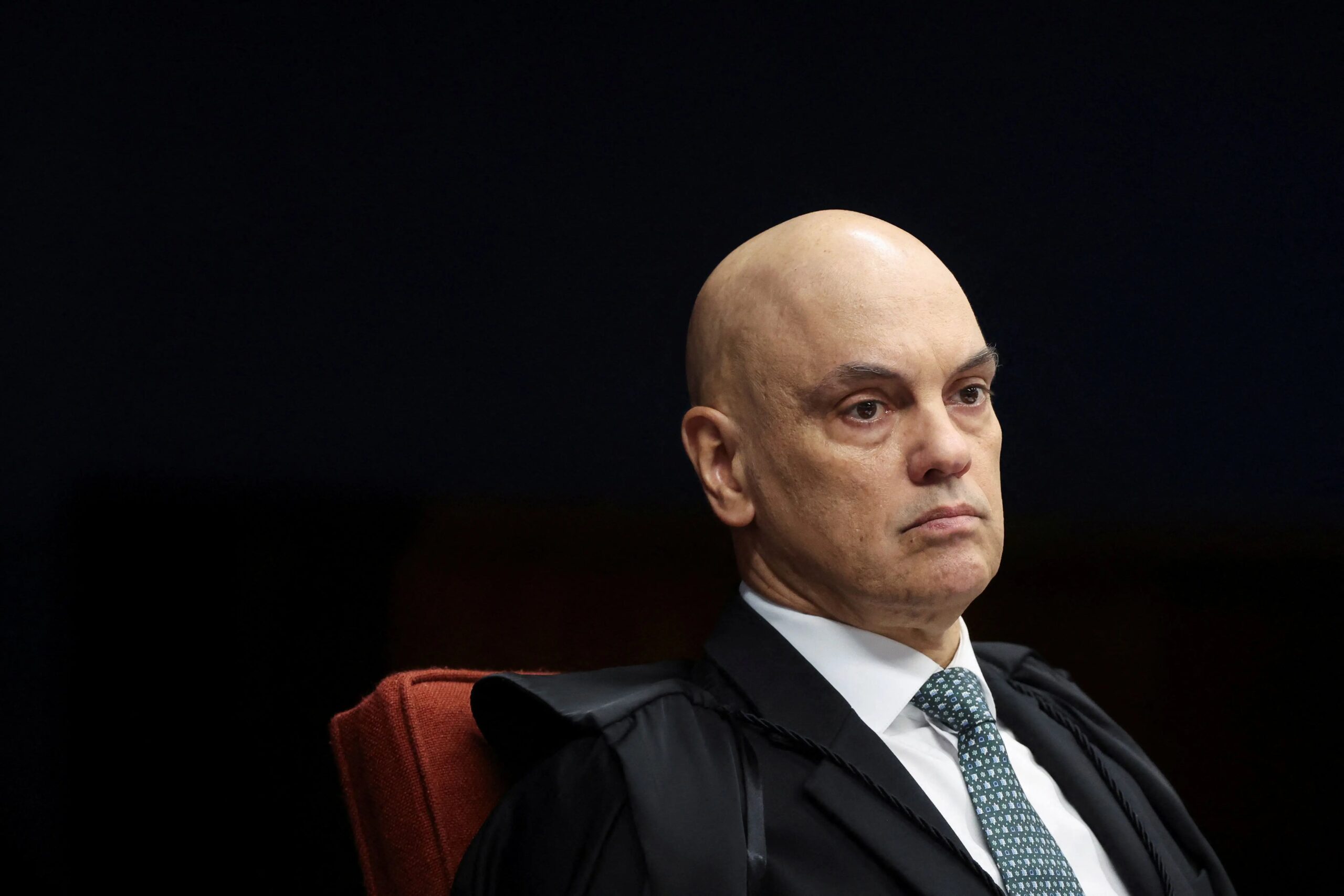
Saturday was marked by a tightening of the measures adopted by the Federal Supreme Court against those convicted of the attempted coup d’état after the 2022 elections.
The decisions, signed by Minister Alexandre de Moraes, resulted in the decree and maintenance of house arrests, the imposition of new precautions and the confirmation that there are defendants considered fugitives. The background to the measures was the assessment that there is a concrete risk of convicts escaping from the country, which could compromise the application of criminal law.
The STF’s movement gained strength after the escape of former director of the Federal Highway Police Silvinei Vasques, sentenced to more than 24 years in prison, who broke his electronic ankle bracelet, left Brazil without judicial authorization and was arrested in Paraguay when trying to board a flight to El Salvador with false documents. The episode began to be cited as an example of a pattern of behavior that, according to the rapporteur, requires a more rigorous response from the Judiciary.
Procedure does not guarantee an end to Bolsonaro’s hiccups, says doctor
This Saturday, doctors performed an anesthetic block of Bolsonaro’s right phrenic nerve

Three days after surgery, Bolsonaro returns to the operating room for a new procedure
According to Michelle Bolsonaro, the procedure takes place at the DF Star Hospital, in Brasília, where the former president has been hospitalized since the 24th.
Below, understand the main points that explain the toughening of decisions and the scope of the measures adopted by the Supreme Court:
Why did the STF decide to toughen measures against convicts?
The Federal Supreme Court assessed that there is a concrete risk of escape by defendants already convicted of crimes linked to the attempted coup d’état after the 2022 elections. According to the decisions, recent episodes indicate a pattern of behavior aimed at evading the country, which could compromise the application of criminal law and negate the effects of convictions.
What was the element that accelerated this decision?
The attempted escape by former director of the Federal Highway Police Silvinei Vasques was identified as a relevant milestone. Sentenced to more than 24 years in prison, he broke his electronic ankle bracelet, left Brazil without judicial authorization and was arrested in Paraguay when he tried to board a flight to El Salvador with false documents. The episode reinforced the understanding that previous precautionary measures were not sufficient to contain the risk of evasion.
Did other escape cases factor into the decision?
Yes. Minister Alexandre de Moraes also cited the case of former Abin director Alexandre Ramagem, who left Brazil via the border with Guyana and is currently in the United States. These episodes were used to support the assessment that escapes were planned and executed with the possible assistance of third parties.
What measures were adopted by the Supreme Court?
The STF ordered the house arrest of defendants already convicted, with electronic monitoring, in addition to a set of precautions. Among them are the delivery of passports, the ban on leaving the country, the prohibition of contact with other people being investigated, the restriction on the use of social networks, the limitation of visits and the suspension of registrations and authorizations to carry firearms.
Why house arrest and not preventive detention?
According to the reasons for the decisions, although the convictions established an initial closed regime, the procedural stage allows the adoption of a precautionary measure that is less serious than preventive detention. The rapporteur’s understanding is that house arrest, associated with the restrictions imposed, meets the need to guarantee the application of criminal law and preserve public order.
Who are the defendants affected by the decisions?
The measures affect defendants convicted in Criminal Actions 2694, 2696 and 2693, judged by the First Panel of the Federal Supreme Court, as well as others convicted in related cases. According to information from the Federal Police, house arrest warrants were served against Filipe Martins, in Paraná, until this Saturday morning; Giancarlo Gomes Rodrigues, in Bahia; Marilia Ferreira de Alencar and Bernardo Romão Corrêa Netto, in the Federal District; Angelo Martins Denicoli, in Espírito Santo; Fabrício Moreira de Bastos, in Tocantins; Sergio Ricardo Cavaliere and Ailton Gonçalves Moraes Barros, in Rio de Janeiro.
Were there cases where the order was not complied with?
Yes. In the case of Carlos Cesar Moretzsohn Rocha, the Federal Police were unable to execute the house arrest warrant. The defense reported that he changed his address and refused to disclose his new location, which led authorities to consider him a fugitive.
Were the arrests reviewed after the custody hearing?
House arrests were maintained after custody hearings conducted by an assistant judge from the rapporteur’s office. The hearings were formal in nature and did not change the Supreme Court’s understanding regarding the need for the measures.
What happens if the precautionary measures are breached?
The decisions provide that non-compliance with any of the measures imposed may result in the immediate decree of preventive detention, with reclusion to the prison system.
Are there other effects of convictions besides prison terms?
Yes. The STF ordered communication to the Superior Electoral Court for the purpose of ineligibility of those convicted, under the terms of the Clean Record Law, due to the collective convictions.
What is the central objective of these decisions, according to the STF?
According to the rapporteur, the measures seek to ensure the effectiveness of sentencing decisions and preserve public order, given a context in which attempts to escape and non-compliance with precautionary measures have come to represent a concrete risk to the application of criminal law in processes related to undemocratic acts.
