
Genocide in Myanmar: the ruling of the International Court that reinforces the investigation of an Argentine prosecutor
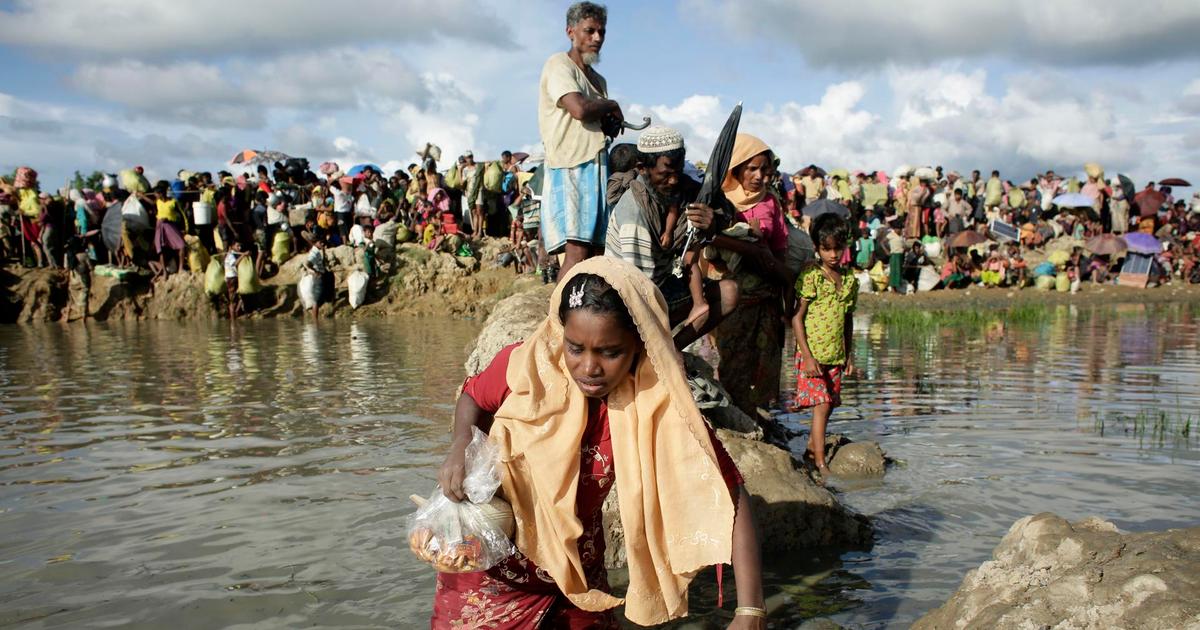
The historic decision of the International Court of Justice (ICJ), which declared Burma (Myanmar) responsible for the genocide committed against the Rohingya Muslim minority, also brought to the fore an investigation promoted by Argentina. Federal prosecutor Guillermo Marijuan is pursuing a case that seeks to determine the criminal responsibility of the political and military officials who participated in the persecution and massacres perpetrated in that Asian country.
The work of the Argentine Prosecutor’s Office began several years before the ruling in The Hague and progressed until the Justice Department ordered the international capture of 25 former officials and military leaders of Myanmar, including former President Htin Kyaw and former State Counselor Aung San Suu Kyi.
The investigation represents a significant precedent in international justice, since it is based on the principle of universal jurisdiction, a tool that allows the courts of a country to investigate certain extremely serious crimes, even if they were committed in another territory.
An investigation that began in 2019
The case began on November 13, 2019, based on a complaint filed by Maung Tun Khin, head of the Burmese Rohingya Organization UK (BROUK). The proposal aimed to investigate the systematic human rights violations suffered by the Rohingya population between 2012 and 2018.
With Marijuan leading the investigation, the Prosecutor’s Office advanced the policies of ethnic persecution, the restrictions imposed on this community and the military operations that reached their most critical point in August 2017.
To reconstruct the events, different elements of evidence were used, including statements from survivors, satellite records, reports from international organizations and documentation provided by the United Nations Independent Investigative Mechanism for Myanmar.
One of the main challenges was establishing that the atrocities had not been isolated episodes of violence, but rather responded to a sustained policy of persecution against the Rohingya.
The arrest request against 25 leaders and soldiers
In June 2024, Marijuan requested the international arrest of 25 people identified for their alleged participation in the crimes of genocide and crimes against humanity. The presentation reached members of the military leadership, those responsible for territorial operations, police authorities and civil officials of the Burmese government.
The request included then-former President Htin Kyaw and Aung San Suu Kyi, who had served as state counselor and received the Nobel Peace Prize.
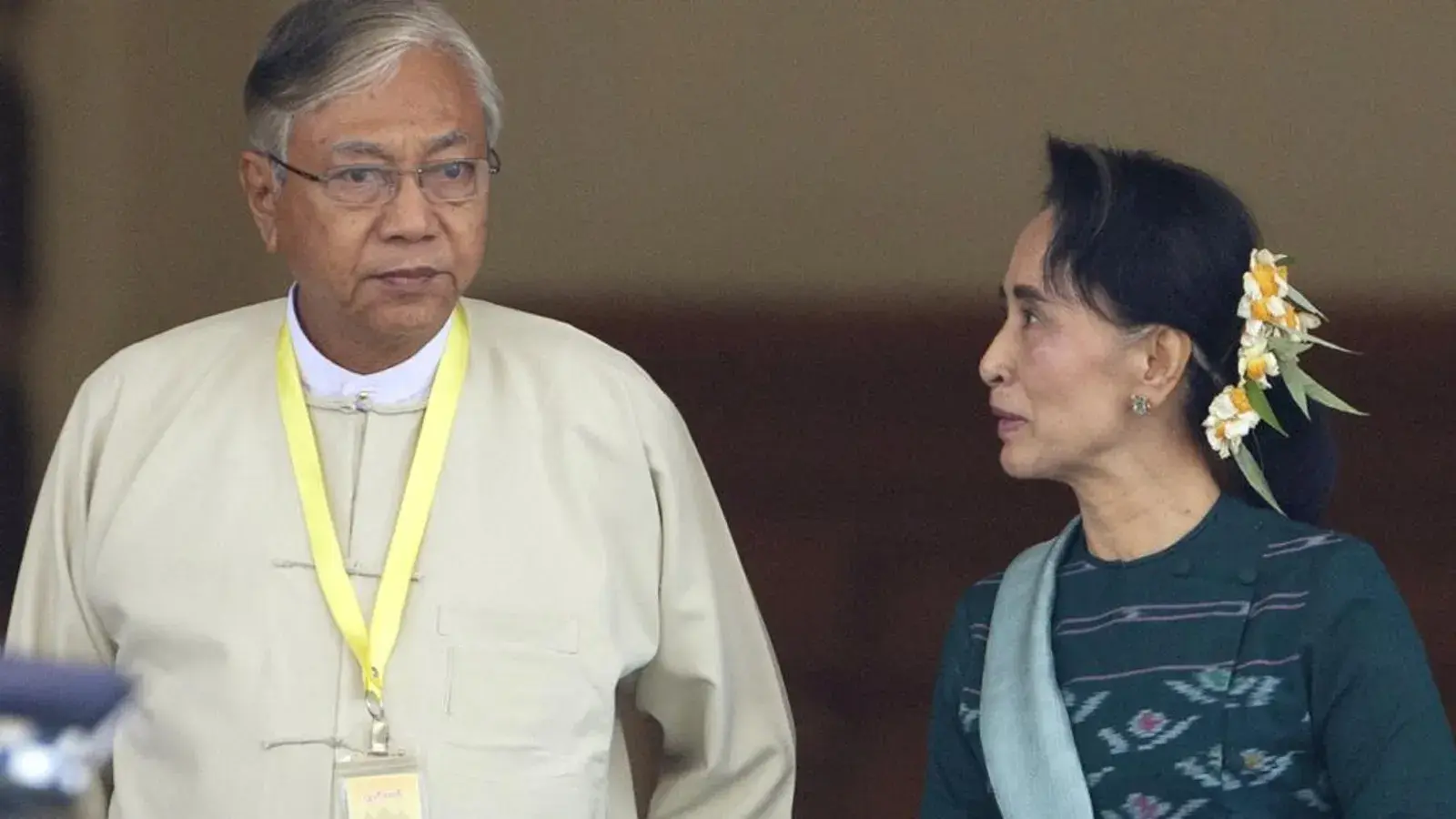
The request reached a decisive stage in February 2025, when federal judge María Servini granted the request and ordered the international arrests.
However, the implementation of these measures encountered obstacles. As Marijuan explained, Interpol did not incorporate the red notices requested to locate the accused, invoking issues related to immunity and the political and military nature of the case. Myanmar also expressed its opposition.
The evidence that allowed us to reconstruct the genocidal plan
In an interview with Infobae Published this Thursday, the prosecutor explained that one of the most complex aspects of the investigation was demonstrating the specific intention to destroy, totally or partially, the Rohingya community.
To do this, he highlighted the coincidence between the stories of the survivors, the satellite images and the documents collected by United Nations investigators. He also mentioned the contribution of a former military man who deserted and provided information about the internal functioning of the armed forces.
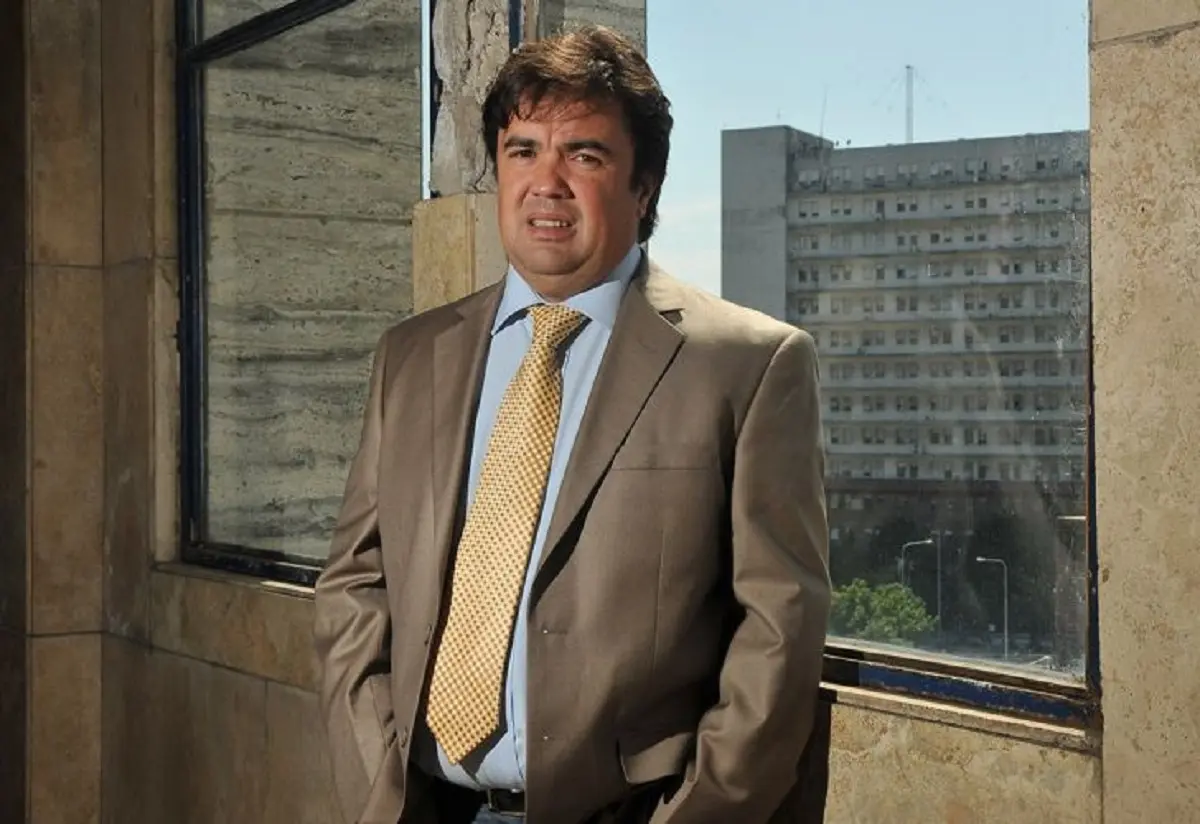
Marijuan maintained that the 2017 operations could not be analyzed independently, but rather as the result of decades of discriminatory measures. Among them he mentioned the denial of citizenship, restrictions on movement, access to hospitals and studies, religious limitations and controls on marriages and the number of children.
The investigation also documented the total or partial destruction of 392 villages, a figure equivalent to approximately 40% of the settlements in northern Rakhine State.
When explaining how genocidal intent is proven, the prosecutor pointed out Infobae: “No one signs an order that says ‘destroy this town’. The intention is reconstructed from the behavior, from the boss.”
Two judicial processes that now converge
The ruling of the International Court of Justice represents relevant support for the work carried out by the Argentine Prosecutor’s Office. However, Marijuan clarified that both procedures have different legal objectives.
While the Hague court determined the international responsibility of the State of Myanmar, the Argentine case seeks to establish the individual criminal responsibilities of those who planned, ordered or executed the crimes.
When referring to this difference, the prosecutor summarized: “They are different lanes that converge today.”
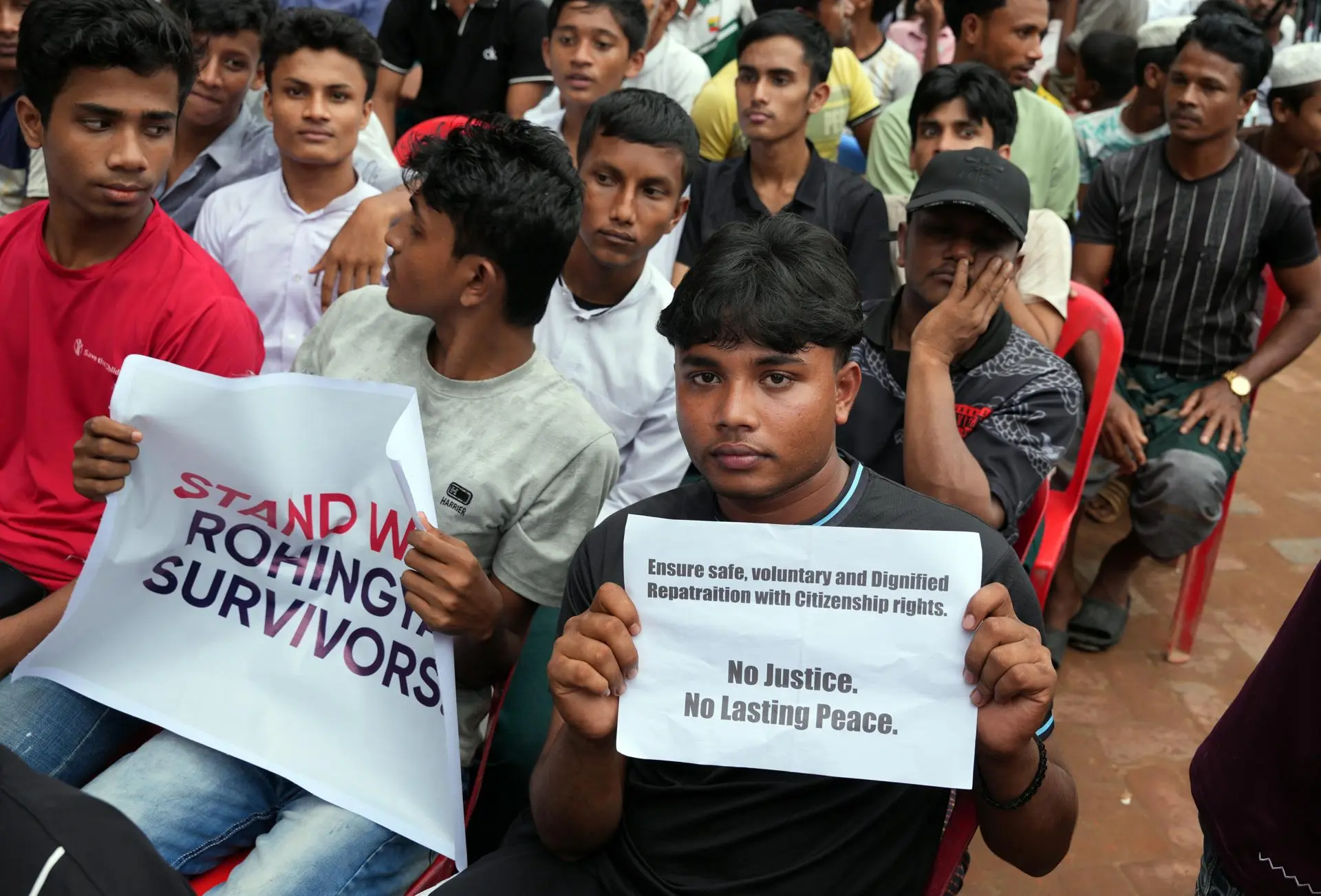
In the same interview, he highlighted the importance of the Argentine Justice system having applied the principle of universal jurisdiction to allow victims to find a place to report crimes committed, even when they have occurred thousands of kilometers from the country.
“A jurisdictional response must be given to those people who cannot reach the courts, who cannot make their claims heard,” said Marijuan when explaining the scope of the investigation.
The expectation of Marijuan after the Hague ruling
With Myanmar’s declaration of responsibility for genocide, the prosecutor hopes that the obstacles that until now prevented the international arrests requested by the Argentine Justice will be unblocked.
Marijuan considered that the ICJ resolution provides new institutional support for the investigation and expressed his expectation that the 25 accused will finally be able to appear in court.
“I hope that, with this sentence, the request made by this Prosecutor’s Office becomes a reality, because it is no longer only the Argentine Justice but the International Court of Justice itself that affirms that there was genocide and orders investigation and punishment,” he stated.
The official also emphasized the victims and the need for the judicial process to have concrete consequences for those who survived persecution, sexual violence, murders and forced displacement.