
Government calculates smaller resignation, $ 25 billion, to exempt to go to $ 5,000, says newspaper
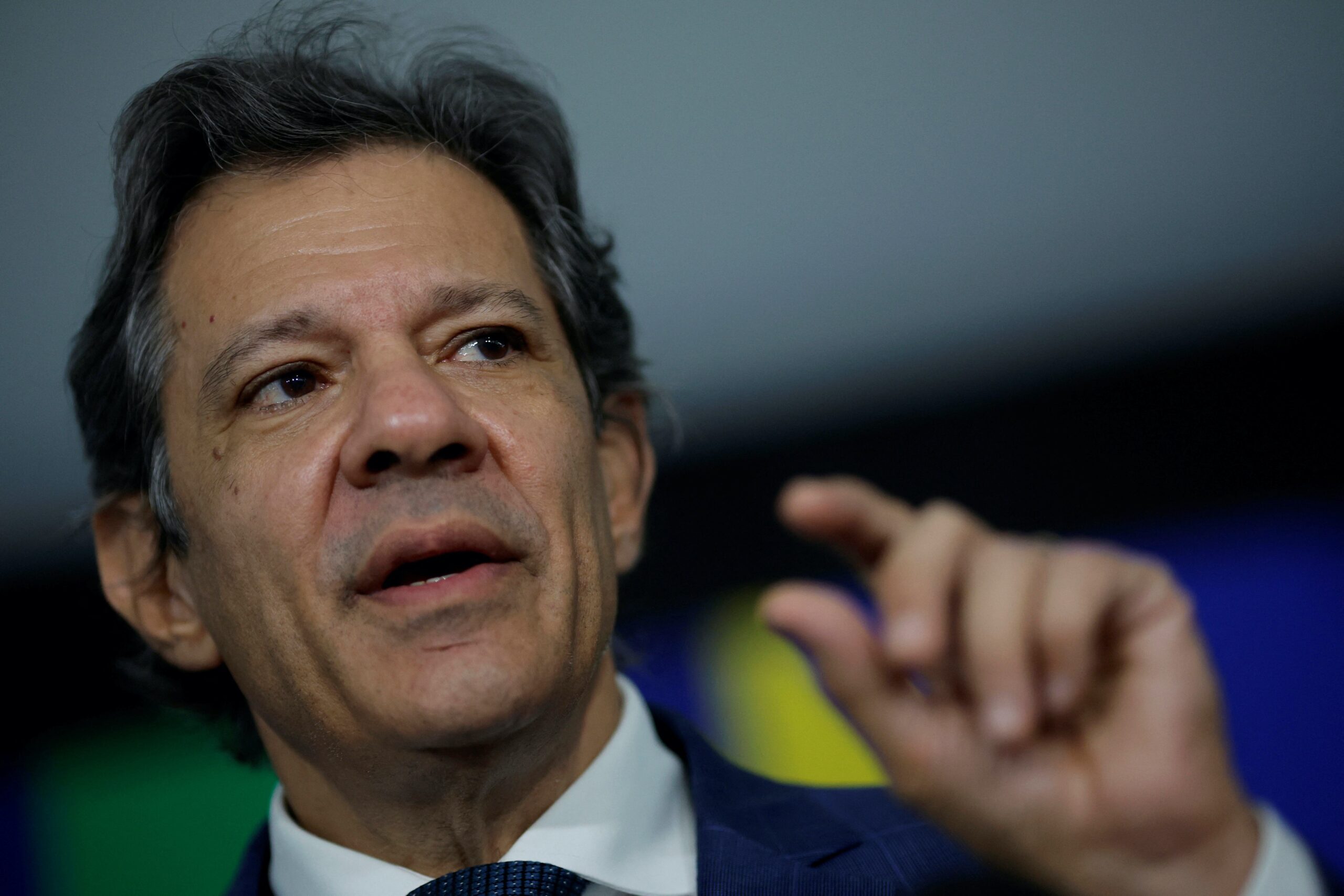
The Ministry of Finance has revised its estimate of tax impact for the exemption of the Income Tax (IRPF) for those who earn up to R $ 5,000 per month, according to a report by S.Paulo Folha published this Friday (7). Initially projected at $ 35 billion, the resignation was recalculated to $ 25 billion, the newspaper said, citing sources in the Ministry of Finance.
The correction of the calculations occurred after an internal adjustment in the economic team, which sought to reduce the impact of the measure without compromising the campaign promise of President Luiz Inacio Lula da Silva. The increase in the exemption range is part of the priorities of the 2025 economic agenda, along with the new private payroll loans.
To compensate for the loss of revenue, the government maintains the proposal to create a minimum tax of 10% for taxpayers with an income over $ 50,000 per month, including profits and dividends. Currently, although the highest range of the IRPF reaches 27.5%, richer often paying much less – according to the government, most of the time less than 10%.
Download yours
Finance Minister Fernando Haddad said a month ago that the compensation mechanism was ready. According to Sheetthe model provides for retention at the source of the Dividend Tax, according to the effective tax level of the company that distributes them.
If the company’s tax burden is low, part of the dividends will be retained directly, functioning as an advance of the tax due. In the annual statement, the shareholder may compensate for this amount, and if the retention is greater than necessary, the surplus will be returned. Otherwise, it will need to complement the payment.
Also according to the newspaper, the economic team clarified that dividends paid to shareholders abroad will also be subject to retention at the source, without exceptions. The government argues that the measure will indirectly tax a series of incomes that are exempt today, reducing the disparity in taxation between different groups of taxpayers.
In the first version of the proposal, the government even considered another measure for fiscal compensation: the limitation of exemption for people with serious illness, restricted to those who earn up to $ 20,000 per month. However, the idea was discarded.
