
Government leader in the Senate contradicts Gleisi and recognizes agreement by Dosimetry PL
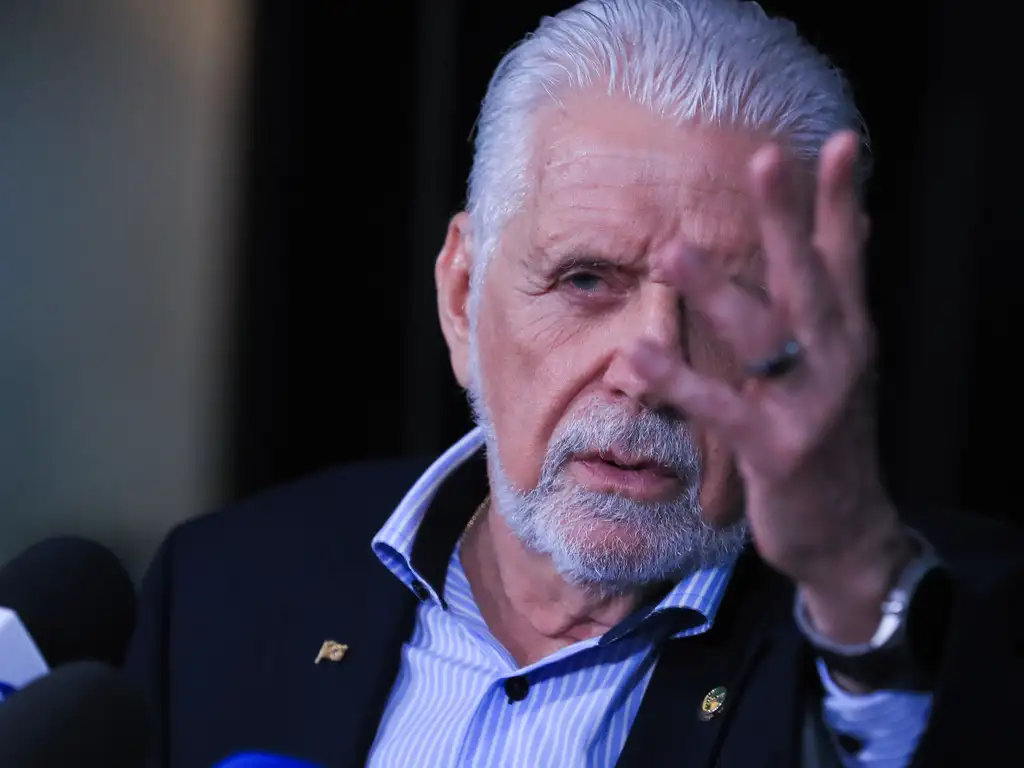
The leader of the government in the Senate, Jaques Wagner (PT-BA), stated this Wednesday that he reached a procedural agreement to allow progress in processing the Dosimetry PL, taking personal responsibility for the articulation, after the Minister of the Secretariat of Institutional Relations, Gleisi Hoffmann, publicly denied the existence of any negotiations involving the project.
The statement was made by Wagner during the session of the Constitution and Justice Commission (CCJ), after senator Renan Calheiros (MDB-AL) reported that the government leader had asked to “let vote” on the dosimetry project as part of an effort to unlock the government’s economic agenda in the Senate.
There is no negotiation or agreement in the Senate involving the Dosimetry PL, says Gleisi on X
Minister says that proposal benefits people convicted of various crimes and insults democracy
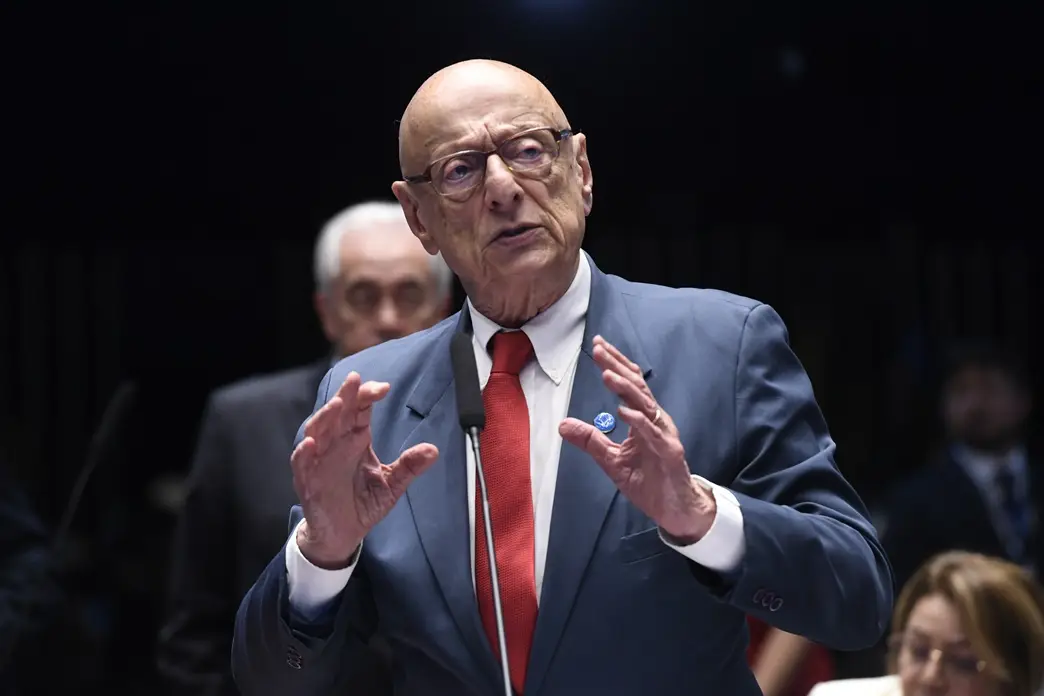
Dosimetry: rapporteur cites Genesis and welcomes Moro’s amendment in defense of the text
Esperidião Amin says the proposal seeks to correct excesses in the January 8 sentences
The opposition also admitted that there was a conversation with Wagner. Senator Jorge Seif (PL-SC) stated that he met earlier with the government leader, Rogério Marinho (PL-RN) and Marcos Rogério (PL-RO), to discuss the progress of the dosimetry project.
Wagner acknowledged that he sought out Renan to discuss the progress of the project, but denied any exchange of political support for the content of the proposal. According to him, the initiative aimed to avoid prolonging a debate that, in his opinion, already had a predictable outcome in the collegiate.
— I took a risk, I don’t regret, having come here to make an agreement on procedure, and not on merit. On the merits, my party closed the issue against this matter, and the government advises a vote against — said the senator.
Renan said that the government leader had asked to “let vote” on the dosimetry project in exchange for advancing the vote on the text that cuts tax incentives and increases taxation on bets, fintechs and interest on equity — an agenda considered a priority by the Ministry of Finance to close the 2026 Budget.
Shortly before Wagner’s demonstration at the CCJ, the Minister of the Institutional Relations Secretariat, Gleisi Hoffmann, had denied the existence of any agreement involving the merits of the Dosimetry PL. In a post on social media, she stated that the government is against the proposal and advises its base to vote against it, as it understands that those who attacked democracy must pay for their crimes and that the text approved in the Chamber benefits those convicted of other crimes.
At CCJ, Wagner sought to make the two versions compatible. He said that he did not consult President Lula or Minister Gleisi Hoffmann before acting and that he made the decision based on his own assessment, assuming the political risk. For him, the negotiation did not involve concessions on the content of the project, but only the continuation of the processing.
— If there is responsibility, it is mine. I looked for Senator Renan to say that I was adopting this stance and asked him to agree. I didn’t negotiate merit. I negotiated continuation – he declared.
Despite reaffirming opposition to the merits of the Dosimetry PL, Wagner also harshly criticized the text approved by the Chamber, saying that the proposal could generate undesirable effects in the future by signaling a faster sentence progression for crimes against democracy. According to him, even though the focus is on the January 8th episode, the law is permanent and could act as an incentive for new anti-democratic attacks.
— What bothers me most is that we are not just considering the problem of January 8th. The law is everlasting. It may seem like an invitation for someone to try again, knowing that the sentence progression will be faster – he said.