
Haddad says he will meet with Lula on Tuesday to present structural measures
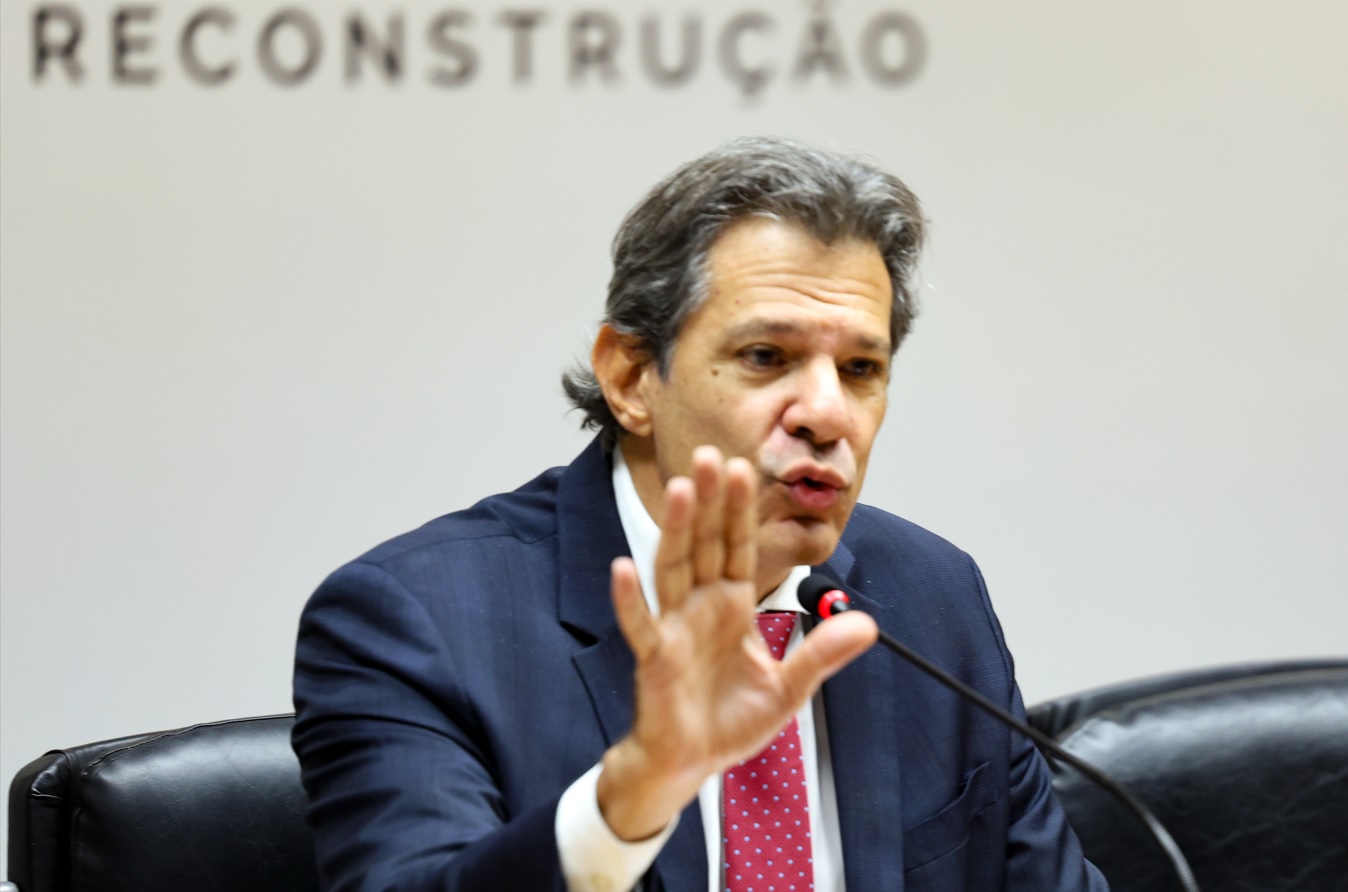
Finance Minister Fernando Haddad said he will meet on Tuesday afternoon (3) with President Luiz Inacio Lula da Silva to present structural measures in the fiscal area that he classified as lasting solutions for public accounts.
“The flight plan is good, I believe that even superior to what we did last year, an even greater range than we did last year,” he said in an interview with journalists.
- Money in your pocket every month? Check out the dividend schedule
IOF should not be used as an instrument of policy collection, says Galipole
Galipolo also stated that the Central Bank must wait for the final tax design to incorporate it into its projections
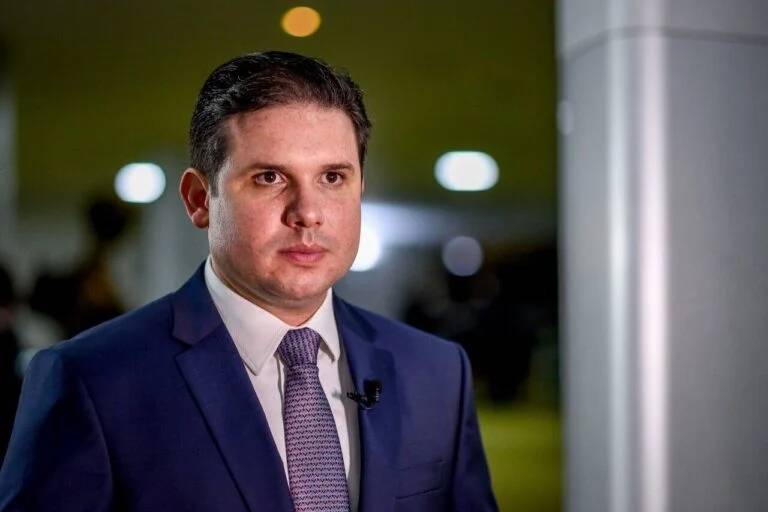
Motta says that tax crypto is an alternative in impasse on IOF
Government will present a set of proposals to Congress on Tuesday
Haddad stated that the measures are supported by the House of Representatives and Senate commands, noting that the decision on the subject should be made public “in a few hours”.
I want to make a simulation
“Even before the referral of the measures, there is already a reception of the (legislature) presidents, now let’s talk to the (party) benches,” he said.
According to him, at the meeting with Lula will be taken only small details to be arbitrated, because there is agreement between members of the government and the summit of Congress on most of the themes.
According to the minister, the package involves at least one proposal for amendment to the Constitution (PEC) and a “relatively broad” bill, as well as a possible provisional measure to adjust topics that need to take effect immediately.
In the interview, Haddad stated that the fiscal measures to be presented do not involve suggestions given by the Ministry of Mines and Energy because Congress already discusses a project sent by the portfolio, noting that part of the agency’s suggestions are already in the economic team’s account to reach the fiscal goals.
The government announced at the end of May an increase in financial operations tax (IOF) on a series of foreign exchange, credit and private pension operations. The measure generated strong political reaction, was partially reversed, but still faces resistance, which led the economic team to analyze alternative actions.
