
Half a century later, Spain still retains symbols of the dictatorship: ‘keep wound open’
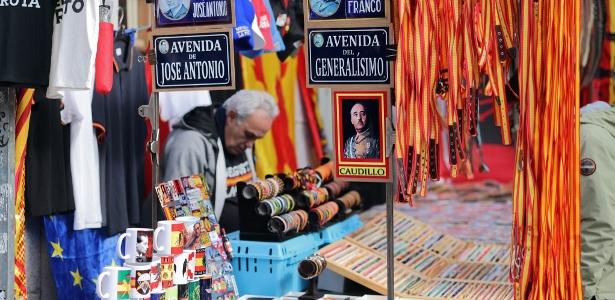
“Governments do not have to define what is black, what is white,” says this Chinese immigrant who arrived in Spain in 1999 and considers the democratic memory law a form of “manipulation of history.”
“People, people, are not animals. They have their thoughts,” he says in their bar, full of bronze busts, posters and flags in honor of the caudillo, as the dictator was known.
The suppression of the Franchist symbols also causes some reserves in part of historians, who advocate a didactic approach to memory, based on the presentation of explanations to the general public, not a process of pure and simple erasure.
“Hiding the traces, the traces of a negative past, it doesn’t seem to me to be the best way to digest this past, to understand it,” says Daniel Rico, professor of art history at the autonomous university of Barcelona and author of the rehearsal “Who is afraid of Francisco Franco?”
“Removing the monuments as if we were all children, frightened to see a Franco shield, also seems to me something very despotic,” adds the teacher, who warns against the temptation to fall into a “more emotional and more confessional than rational memory.”
