
How did the planes that launched atomic bombs in Japan managed to escape?
Hiroshima and Nagasaki bombing: Atomic bombs “Little Boy” and “Fat Man” were released in August 1945, ending World War II.
Air drops: B-29 bombers who launched the bombs were able to avoid radiation thanks to speed, altitude and evasive maneuvers.
Speed and maneuver: Airplanes flew at 570 km/hea an altitude of 8-9 km, which allowed to escape the radiation wave before it spread.
Secure crew: None of the planes recorded radiation levels in their structures after bombing.
Monitoring Airplanes: Other aircraft monitored attacks from afar and were also removed from the risks of nuclear contamination.
Deaths in Hiroshima: About 140,000 people died in Hiroshima until the end of 1945, half on the day of the attack, due to the explosion and radiation.
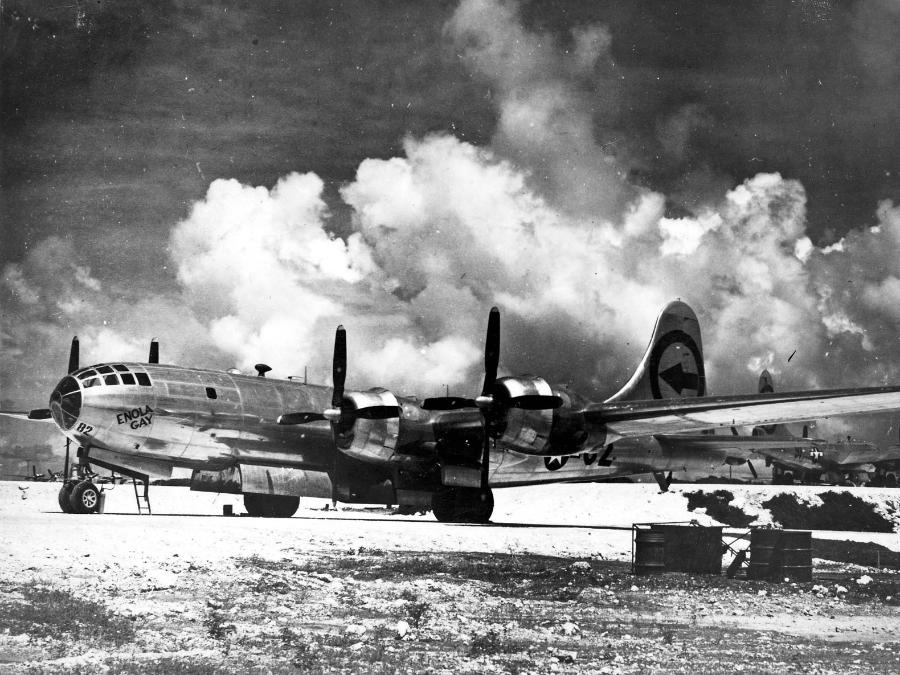
The attack on Hiroshima: The “Little Boy” bomb was launched by the B-29 Enola Gay at 9 km altitude and exploded 580 meters from the ground, causing immediate devastation.
Psychological impact of crew: One of Enola Gay’s crews questioned the impact of the explosion, without having full notion of the destructive power of the bomb.
The Nagasaki attack: “Fat Man” was launched by the B-29 Bockscar after target change due to weather conditions, exploding at 500 meters from the ground.
Enola Gay and Bockscar planes: Both bombers are on display in the US, generating controversy due to the deaths caused by the attacks.
To learn more, go to the column all aboard Facto News Economics.
