
How the Prime Minister of Israel is chosen and why Benjamin Netanyahu still does not have the position secured
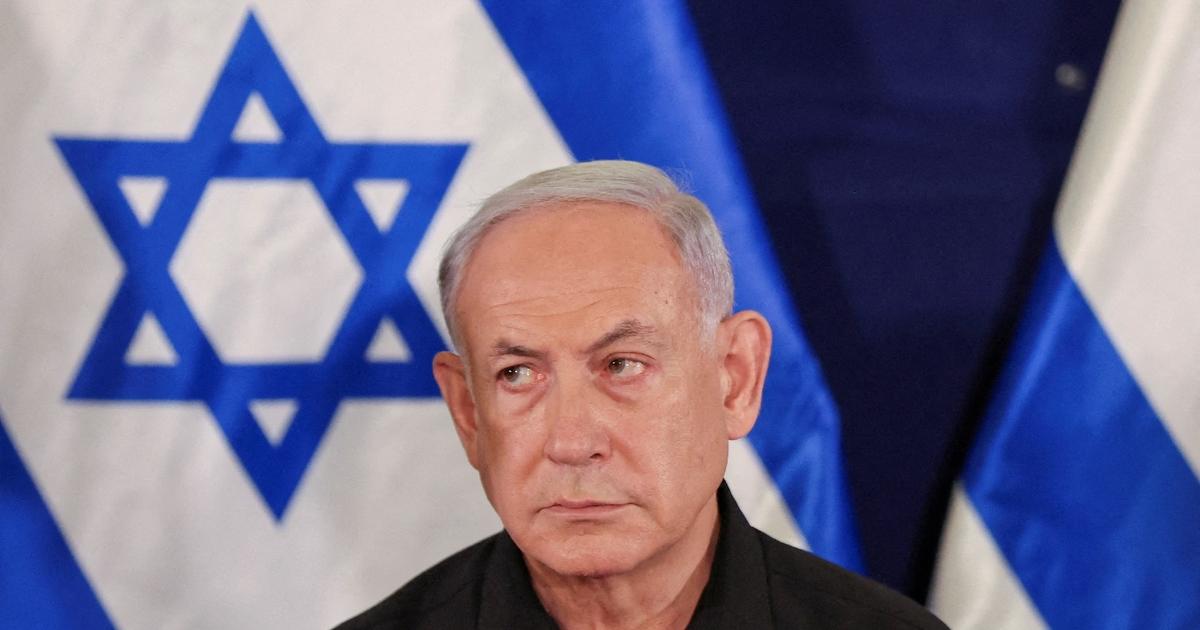
The result of the legislative elections in Israel left an open scenario. Likud, Prime Minister Benjamin Netanyahu’s party, received the most votes, although it did not achieve the necessary support to ensure continuity in power. With this panorama, a period of negotiations opens that can last for weeks.
According to the count, the Likud won 27 of the 120 seats in the Knesset, followed by the 21 of Yashar, the party of its main rival, former army commander Gadi Eisenkot. The ruling bloc, made up of Likud, Shas, United Torah Judaism, Otzma Yehudit and Religious Zionism, added 53 seats. The opposition gathered 48 and the Arab parties, 19.
Although Likud leads the table, the result represents a blow to Netanyahu’s ruling party. His bloc had 68 seats in the outgoing Knesset and is now eight short of a majority. Furthermore, the result was surprising, because the latest polls prior to the election placed Yashar ahead of Likud.
Neither of the two coalitions reaches 61 seats, so negotiations between the different parties will be decisive to define who heads the next government.
How is Israel’s prime minister chosen?
In Israel, citizens do not directly elect the prime minister, but rather the 120 members of the Knesset, the national Parliament, through a system of proportional representation.
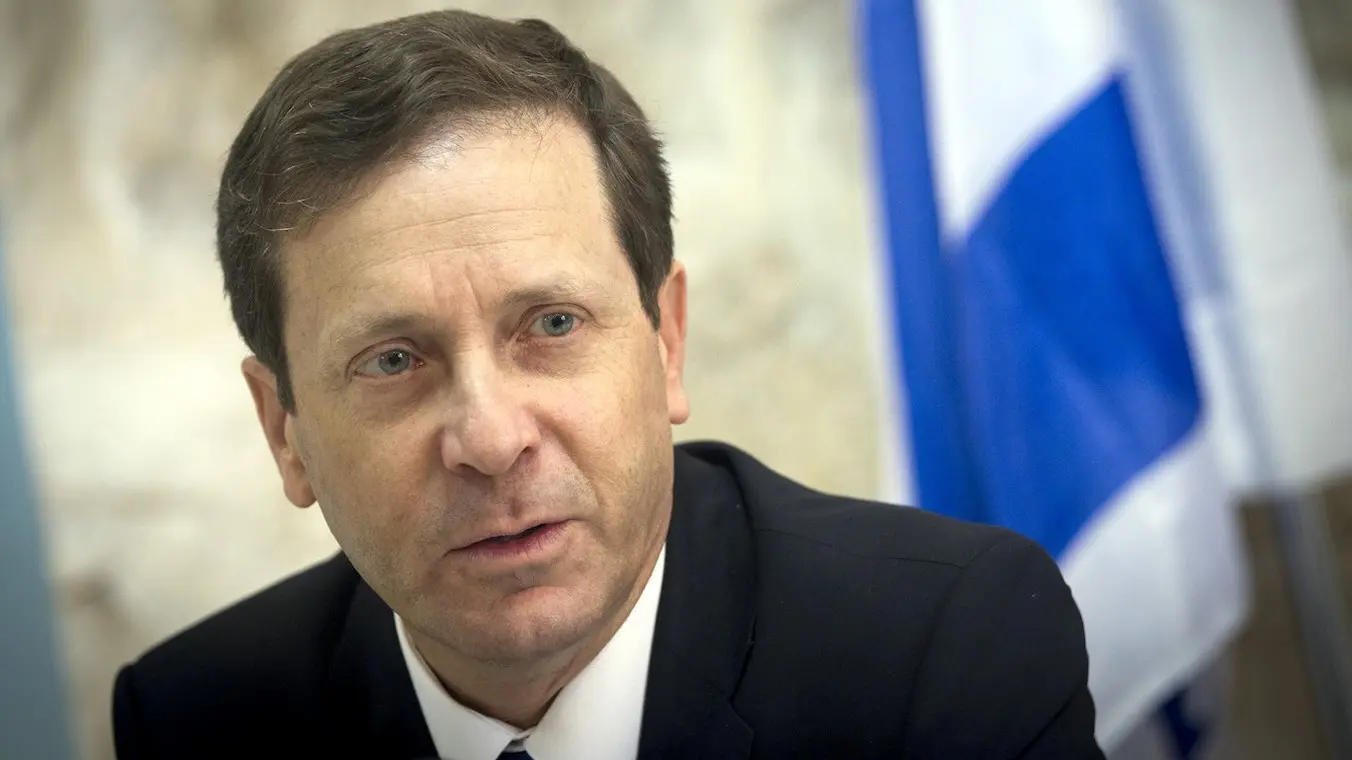
Once the results are known, the president of the country, Isaac Herzog, consults the representatives of the parties and instructs the legislator he considers most likely to achieve this to form a government.
Therefore, the leader of the most voted party does not necessarily become prime minister: in 2009, for example, Kadima won one more seat than the Likud, but then-president Shimon Peres entrusted the government to Netanyahu.
Since the creation of the State of Israel in 1948, no party has achieved an absolute majority on its own, which is why alliances are essential.
What does Netanyahu need to remain prime minister?
Netanyahu needs to add at least eight legislators to his bloc to reach 61 votes. Eisenkot’s space, with 48 seats, is 13 below that threshold.
In this scenario, the 19 representatives of the Arab parties, the Joint List and Ra’am, could play a key role. During the campaign, leaders of both forces made clear their opposition to the current government: Ahmad Tibi, of Ta’al, said that the objective was to remove Netanyahu from power, and Mansour Abbas, leader of Ra’am, assured that “the vote will change the government.” It is not yet defined, however, whether they will support an alternative led by Eisenkot or under what conditions.
How long do the parties have to form a government?
Official results will be published on November 4. From then on, Herzog will begin consultations with the parties to decide who is in charge of forming the Executive.
The chosen candidate will have 28 days to gather the necessary support, with the possibility of an extension of up to 14 more days. If he fails, the president may appoint another legislator, who will have another 28 days, this time without extension.
If he does not succeed either, a final period of 21 days will open in which a majority of deputies will be able to propose a third candidate, who will have 14 days to form a government.
What happens if no one manages to form a government?
If negotiations fail, Israel must call new elections within 90 days.
It would not be the first time: between April 2019 and March 2020, the country held three legislative elections due to the impossibility of forming a stable majority.
Meanwhile, Netanyahu will continue to lead a caretaker government until a new administration is formed.