
I prefer ‘having spent more’ than ‘deadbeat’, says Haddad about court orders
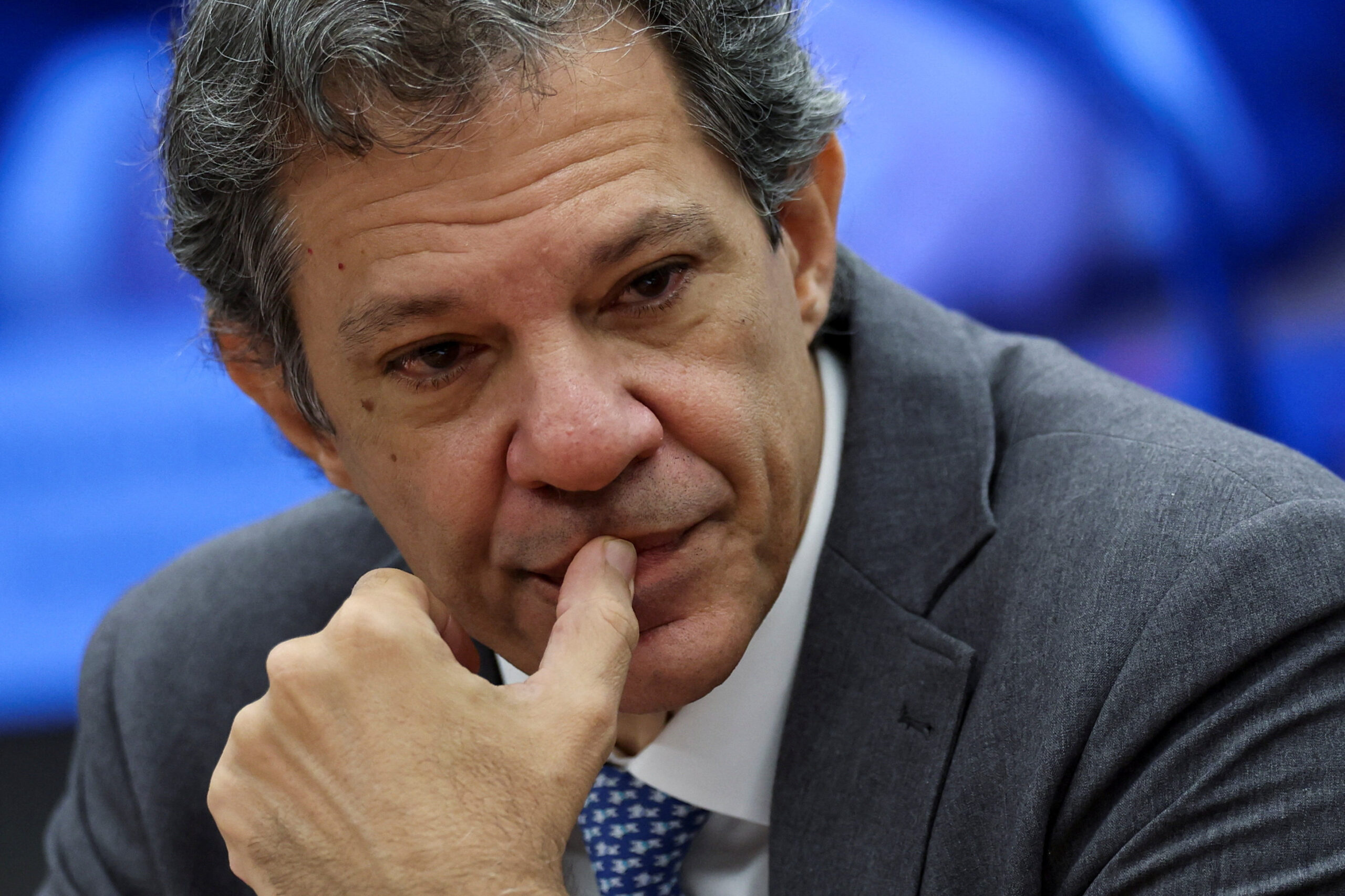
The Minister of Finance, Fernando Haddad, said this Friday that failing to pay court orders — public debts resulting from legal actions — is an “illegal” and “irrational” measure.
The statement was made during a seminar at the São Paulo Lawyers Institute (IASP), in which the minister criticized the “default” given by the previous government, by postponing the payment of these expenses.
Haddad says the government repudiates default on court orders and seeks fiscal balance
Minister of Finance criticizes constitutional amendment and highlights commitment to full payment
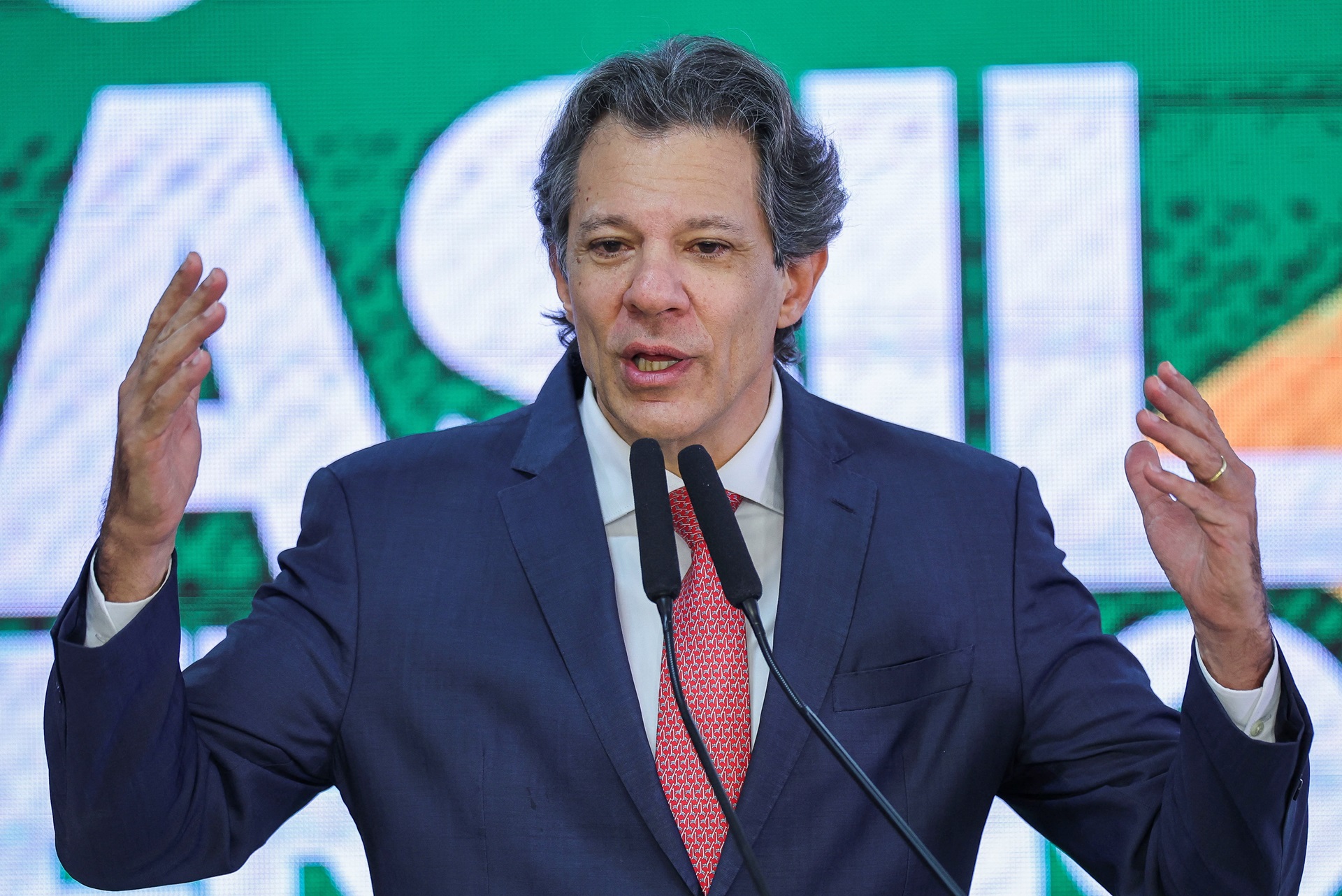
Haddad leads presidential race in a scenario without Lula, shows AtlasIntel
Minister of Finance appears with 43.1% of voting intentions and maintains an advantage over Tarcísio de Freitas, the main name on the right
According to him, the suspension of payments “discredits the country” and compromises its credibility.
FREE LIST
10 small caps to invest in
The list of stocks from promising sectors on the Stock Exchange
Haddad also stated that he would rather be left with the “blame of having spent more” than be recognized as a “deadbeat”.
— Solving the tax problem this way (stopping paying court orders) can be done by anyone. We have to solve the fiscal problem in a sustainable way. I prefer to be left with the shame of having spent more, but not with the shame of being a deadbeat.
The statements come after the National Congress promulgated, last month, a constitutional amendment that authorizes the government to spend an extra R$12 billion in 2026.
The proposal removes federal court orders from the government’s primary expenditure limit starting next year, opening up space in the budget.
Furthermore, the text establishes new rules for the payment of these debts by states and municipalities and allows local administrations to renegotiate social security debts with the Union, with smaller installments and longer terms.
The new model relieves the federal budget in an election year, while raising concerns about the risk of institutionalizing non-payment of these debts.
During the same event, the minister of the Federal Court of Auditors (TCU), Bruno Dantas, reinforced that court orders issued by the Court can only be annulled in cases of proven intent or fraud.
He said that, when it comes to credits, it is necessary to remember that, in addition to legal certainty and fiscal predictability, there is also a right that was not respected for years and was only recognized after a court decision:
— Talking about paying court orders, in reality, needs to refer to the human dimension of these credits, because there, behind court orders, there is a life struggle.