
IBGE Crisis: Understand the clash between servers and President Márcio Pochmann
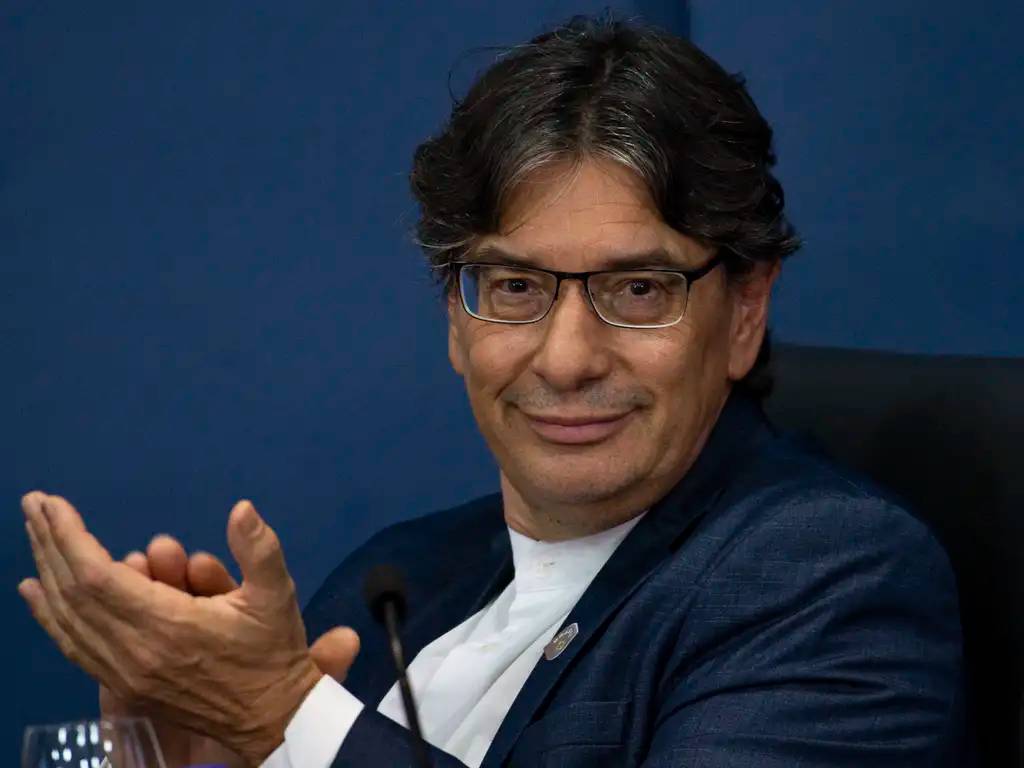
Economist management Márcio Pochmann At the head of the Brazilian Institute of Geography and Statistics (IBGE) faces a serious internal crisis, with wide opposition from employees and directors of the agency. More than 600 employees, including nearly 300 leadership positions, signed an open letter asking for Pochmann’s departure, accusing him of authoritarianism and threatening IBGE’s institutional mission.
Internal clashes have come since mid -last year, but the crisis settled once and for all last week. Next, understand the main points of the dispute and the latest developments.
Origin of the crisis: IBGE+ Foundation and lack of dialogue
The tension between the IBGE servers and the presidency began with the creation of the IBGE+Foundation, an entity of public-private law created in July and announced in September 2024. Employees criticized the decision, claiming that the Foundation would function as an entity Parallel to IBGE, weakening the Institute’s technical role and making room for private interference in official research.
I want my access
In addition, the measure was taken without broad internal debate, which generated strong resistance among the servers. In response to criticism, Pochmann minimized dissatisfaction and justified the foundation as an alternative to raise additional resources, given what he called the institute’s “sub -finance”.
Given the strong opposition, the IBGE temporarily suspended the creation of the IBGE+Foundation, in conjunction with the Ministry of Planning. However, the Servers Union (Assibge) stated that the decision is not sufficient and demands the definitive revocation of the measure.
Read more: Pochmann counteracts criticism from IBGE servers accusing repetition of untruths
Demissions and exchange of directors expand crisis
The crisis in Pochmann management has caused a stampede from IBGE directors. So far, four directors have requested dismissal due to relationship problems with the president.
The first large low took place at the Research Board, one of the most important of the Institute. The then director Elizabeth Hypolito and her deputy João Hallak Neto left the positions, alleging a lack of dialogue with the presidency. Then it was the turn of the director of Geosciences, Ivone Lopes Batista, and her deputy, Patrícia Amorim Vida Costa, also abandon the stations.
Faced with the crisis, IBGE announced new names for positions. Maria do Carmo Dias Bueno took over the board of Geosciences, while Gustavo de Carvalho Cayres da Silva was appointed deputy director.
IBGE’s high level change reflects the wear and tear of the relationship between Pochmann and the institution’s technicians, which plays an essential role in the production of official data used in public policies and economic analysis.
Read more: IBGE managers and coordinators make an open letter against Pochmann
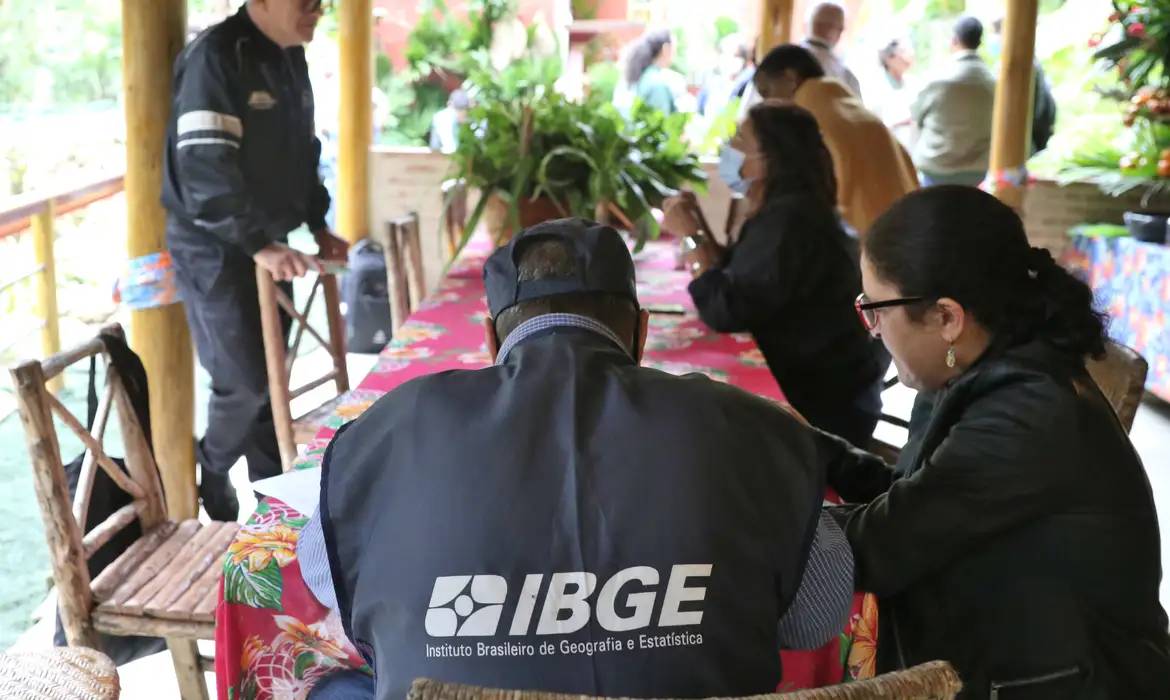
Accusations of authoritarianism and anti -syndical measures
Pochmann’s management also faces criticism for the style considered authoritarian. Servers report that the president of IBGE has adopted a coping stance, suggesting that internal complaints are motivated by political interests and that there is misinformation by the union.
In addition, decisions such as the end of the home office and the transfer of IBGE headquarters in Rio de Janeiro to another building without prior consultation deepened the wear.
ASSIBGE denounces “antisindical measures” as attempts to criminalize strikes and requests for the union to remove the “IBGE” acronym from its name.
Amid criticism, Pochmann asked the Public Prosecution Service to determine complaints about alleged parallel activities of servers, which generated new dissatisfaction among employees. The National School of Statistical Sciences (ENCE), linked to the IBGE, released a letter repudiating the accusations and stating that the presidency reports represent an attack on the category.
Pochmann denies crisis and travels around the country
Despite the aggravation of the crisis, Pochmann denies persecution of servants and argues that his management seeks only to improve the operation of the institute. He also stated that IBGE’s main concern is the lack of proper budget, citing episodes such as light cuts and difficulties in conducting research.
While the pressure for its departure grows, Pochmann follows a travel schedule across the country to present the IBGE work plan for 2025. The server union, however, claims that employees were not consulted on these guidelines and that the president from the institute continues to make decisions without internal dialogue.
The IBGE crisis follows unresolved, and the government faces a dilemma: maintaining a political ally at the head of the institution or intervening to try to restore the agency’s credibility.
Communication professionals thickens choir against Pochmann
The crisis in IBGE has gained a new chapter with the release of an open letter signed by communication professionals from the Institute. In the document, the servers accuse the advisors appointed by Márcio Pochmann to adopt an authoritarian stance and denounce the political use of the communication of the agency.
They claim that management has overloaded the technicians with an “avalanche of articles” about the president of IBGE, impairing the dissemination of essential indicators such as GDP, inflation and unemployment. In addition, they criticize Pochmann’s “opportunistic tours” across the country, claiming that they are for parallel agendas and generate excessive spending on passages and daily.
The communicators also question the appointment of professionals whose only function would be to promote the management of the president, and point out that the dissemination of the work plan for 2025 excluded the headquarters of IBGE in Rio de Janeiro, where most servers are concentrated.
Government decides to keep Pochmann, but fears wear
The Planalto Palace began to closely monitor the crisis in IBGE in view of the risk that the clash between Pochmann and the servers affect the credibility of the institution. Despite the pressure, Lula decided to keep Pochmann in office, backed by the support of PT president Gleisi Hoffmann, according to the newspaper The globe.
According to the newspaper, the situation was the subject of a meeting between Lula and the ministers Rui Costa (Casa Civil) and Simone Tebet (planning), which now follows the crisis’s developments more closely. Tebet met Pochmann on Wednesday (29) to discuss the scenario, but despite the attempt to calm the spirits, servers continue to denounce authoritarian management and the lack of internal dialogue.