
Investigation: where is Iran’s enriched uranium?
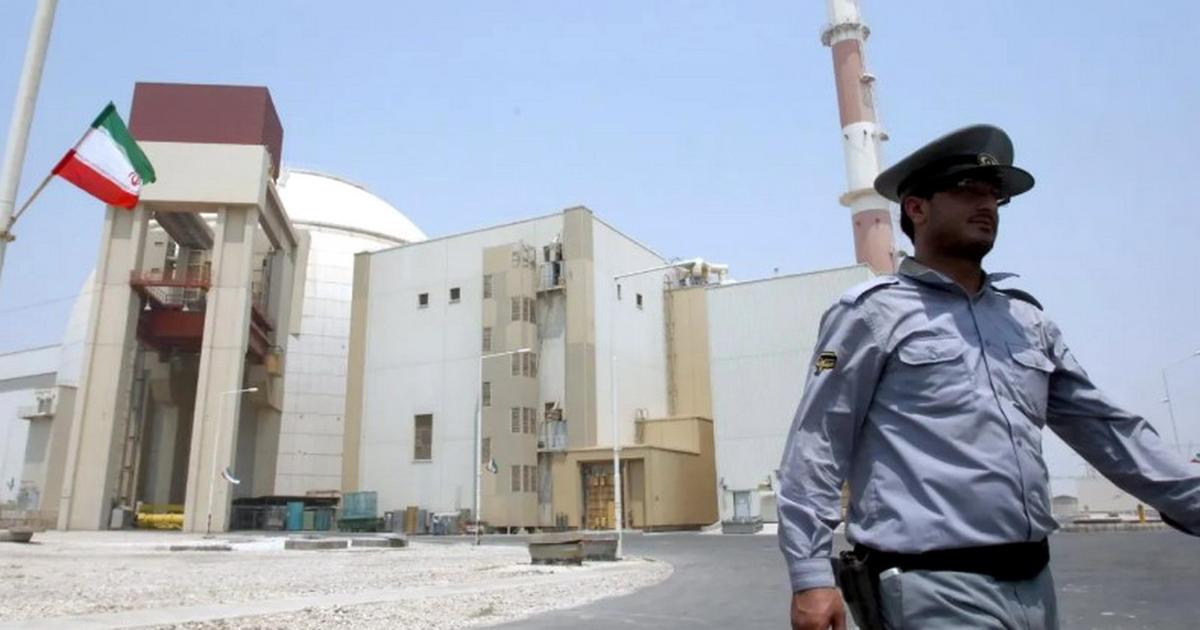
Inspectors from the International Atomic Energy Agency (IAEA) warned this Friday that they still do not know the whereabouts of the more than 400 kilos of highly enriched uranium in Iran and therefore demand more cooperation from the Iranian authorities.
The lack of information and the refusal to grant access to the facilities to verify these materials, with possible military use, constitutes “a cause for serious concern” and must be resolved with “utmost urgency,” says the IAEA in a technical report on Iran, issued in Vienna.
While the UN nuclear agency reiterates that US Israel’s military attacks against nuclear facilities in Iran in June 2025 and this year caused an “unprecedented situation”, it considers it “essential” that IAEA inspections in the country be resumed as soon as possible.
In the same document, which is issued to the IAEA member states on the occasion of the next meeting of the Board of Governors next week, the Agency recalls that it is still unable to fulfill its obligations in Iran regarding nuclear safeguards (controls), within the framework of the Agreement on the Non-Proliferation of Atomic Weapons (NPT).
Uranium in Iran
In June 2025, when Israel first attacked the nuclear facilities, Iran had about 440 kilograms of uranium enriched to 60%, a level close to that needed to make nuclear weapons.
With this, the Islamic Republic, the main enemy of Israel and the United States, could manufacture a dozen bombs, although Iran always denies having these intentions.
On the other hand, the IAEA warns that due to the lack of cooperation with Iran, its inspectors do not know the exact location of a new uranium enrichment facility in Isfahan (central Iran), announced in June 2025, nor do they know if there are nuclear materials there.
In this sense, the Agency is “increasingly concerned” by the fact that Iran has not allowed it to examine the questionnaire on information related to the design of this new facility.
The inspectors “don’t know what it is, they don’t know what state it was in, they don’t know when it started, they don’t know anything,” a diplomatic source familiar with the IAEA’s work in Iran told the press this Friday.
The difficulty of access
Overall, in the absence of access to Iran’s declared nuclear facilities, the IAEA notes that it cannot verify whether Iran has suspended all enrichment-related activities, including research and development activities.
It also does not know whether Iran has suspended all reprocessing activities, nor does it know the size of Iran’s uranium stockpile, or Iran’s inventories of centrifuges and related equipment.
In addition, he does not know if Iran has returned to work on heavy water projects, a process in which plutonium can be extracted, another substance apart from highly enriched uranium that is used to make atomic bombs.
The 35 countries of the Board of Governors will hold their winter meeting starting next Wednesday, focused once again on Iran’s atomic program, but will also discuss, among other issues, the nuclear situation in Ukraine. Efe