
IOF and Tax Measures: Haddad gains time to build consensus, analysts say
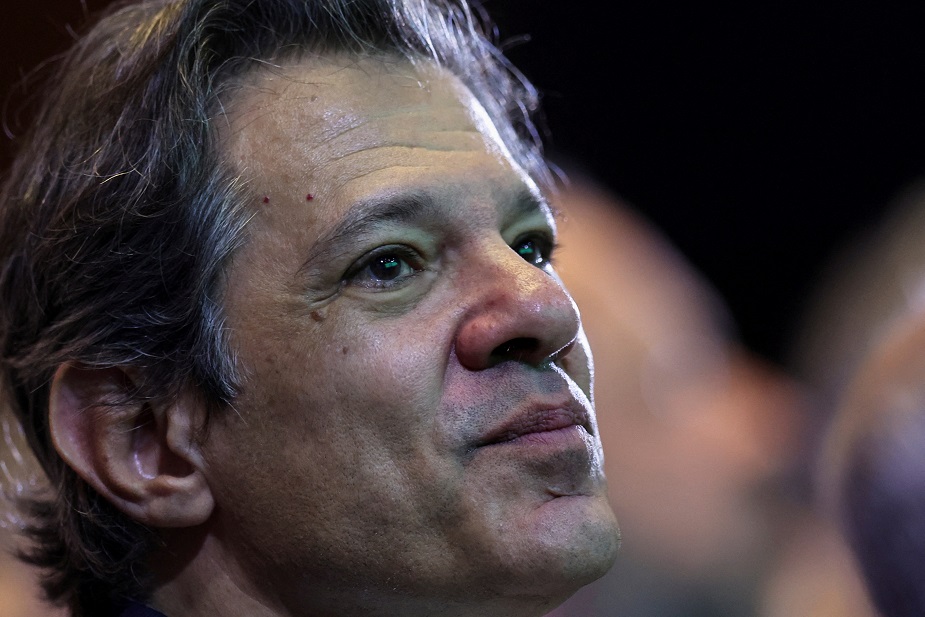
The postponement of the announcement of tax and economic measures by the Minister of Finance, Fernando Haddad, is seen by analysts as a way to give more time to the construction of consensus and avoid running, as was the announcement of IOF’s increase in tax rates in May.
Also read: “I have 100% confidence in the suitability of fellow Galipolo,” says Lula
For Paulo Gama, the XP political analyst, the reaction to IOF eventually aroused within the political class the possibility of discussing structuring measures. What, according to him, is welcome.
“Like all structuring measure, it lacks a longer maturation and discussion time and seems to be what we are seeing now. This was a trigger for broader discussions to be made in the natural maturation time and maturation of these proposals. And who will make the decision to approve them or not is the National Congress,” says Gama
Warren Investimentos Chief economist Felipe Salto states that “the extension of the announcement of actions in the fiscal area may indicate a construction and legitimation, so that when disclosed, they are born with necessary support.”
Also read: Fintechs reject taxation as an alternative to IOF and alert to impact on services
For Salto, “doubt about the scope and dimension of the measurements that will be proposed.” According to him, “the key is to restrict the advance of mandatory expense, including the amendments, which became virtually mandatory.”
I want to make a simulation
Noise
According to Paulo Gama, the initial proposal about IOF had not been based by everyone. “This time, it is taking the prudent step to make this discussion. And as they should put long -term measures on the table, they are actually needing a broader articulation,” he adds.
An expectation has been created that ads would be made today. But for the XP analyst, “the fact that they are more structuring measures requires more maturation. Leaders need to be consulted and understand the relevance of each of them.”
According to Paulo Gama, the economic team has two questions to resolve. “One of a very short time, because there is still a discussion about the possibility that other points of the decree will be revisited, and will need revenue for the 2025 accounts, to face this eventual change if it actually happens,” explains Gama.
Already the second, should think from 2026, for next year’s budget. “Measures that can face not only the IOF challenge, but the challenge of an ambitious goal that exists and 0.25%surplus,” he says.
