
Iran launches counterattacks across the Middle East and targets US and allied bases
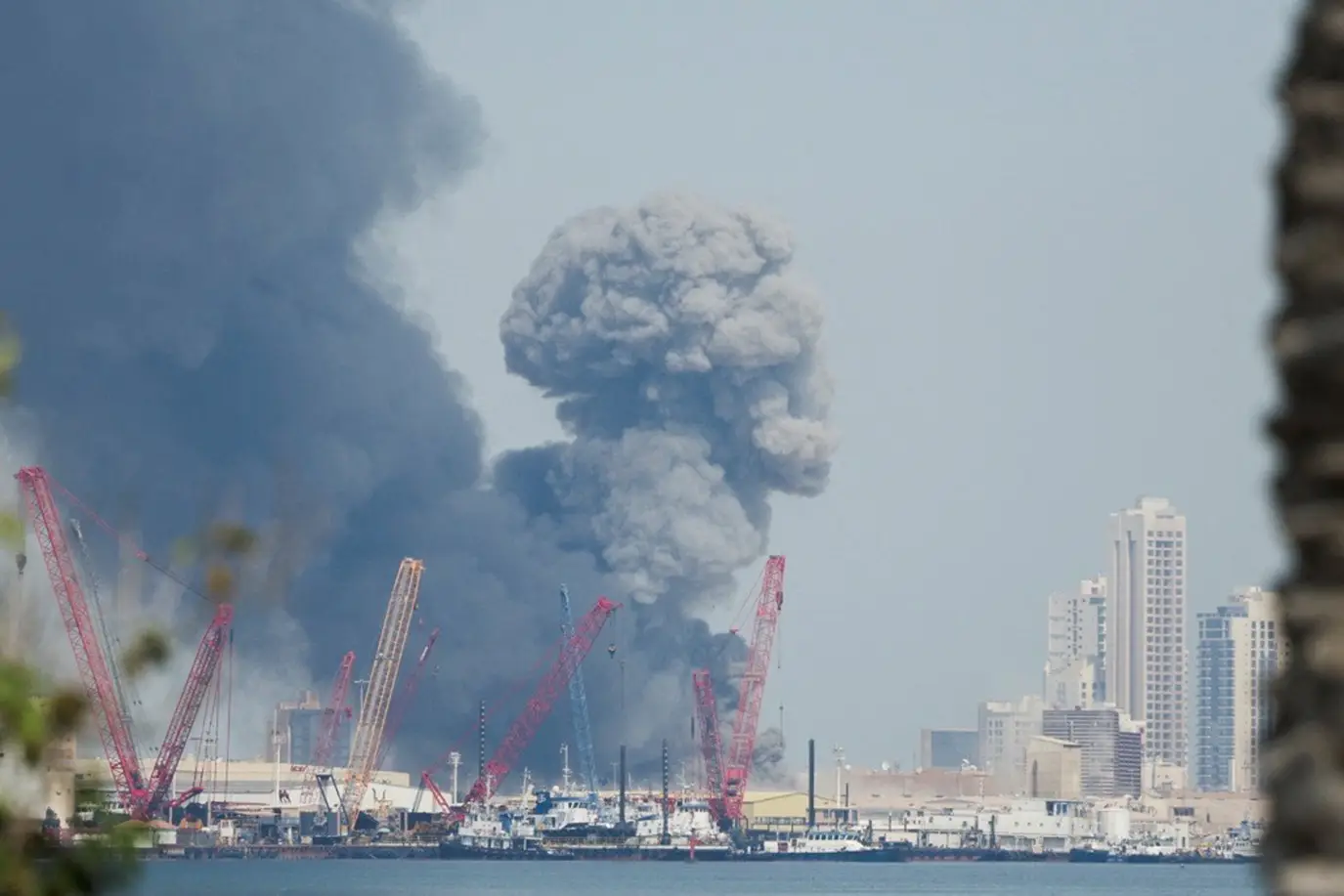
BEIRUT — As the United States and Israel launched a coordinated military offensive against Iran in the early hours of Saturday, Tehran quickly made good on its promise to retaliate, attacking American interests and allies in several parts of the Middle East in a broad response that raises the risk of a broader regional conflict.
The semi-official Iranian Fars news agency reported that Iranian missiles targeted US military installations, including Al Udeid air base in Qatar; the Ali Al Salem air base in Kuwait; the Al Dhafra air base, in the United Arab Emirates; and the headquarters of the American Navy’s 5th Fleet, in Bahrain. Israel, Jordan and Saudi Arabia were also hit in Saturday’s attacks.
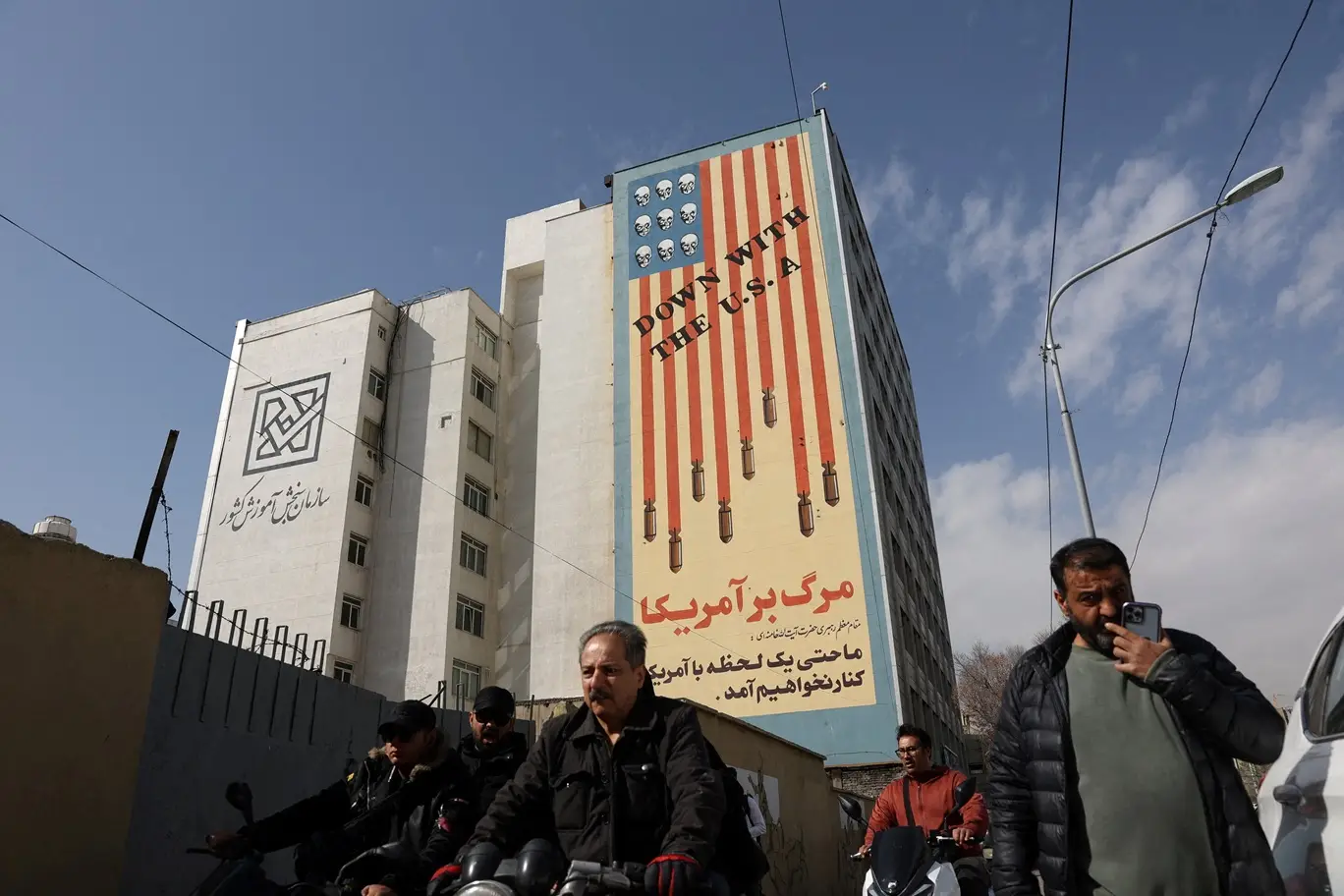
Analysis: Without an immediate threat, Trump is betting on pushing Iran’s government into the abyss
Trump launches offensive as a “war of choice”, targets regime change in Tehran and assumes risk of widespread retaliation in one of the most delicate moments for the Middle East
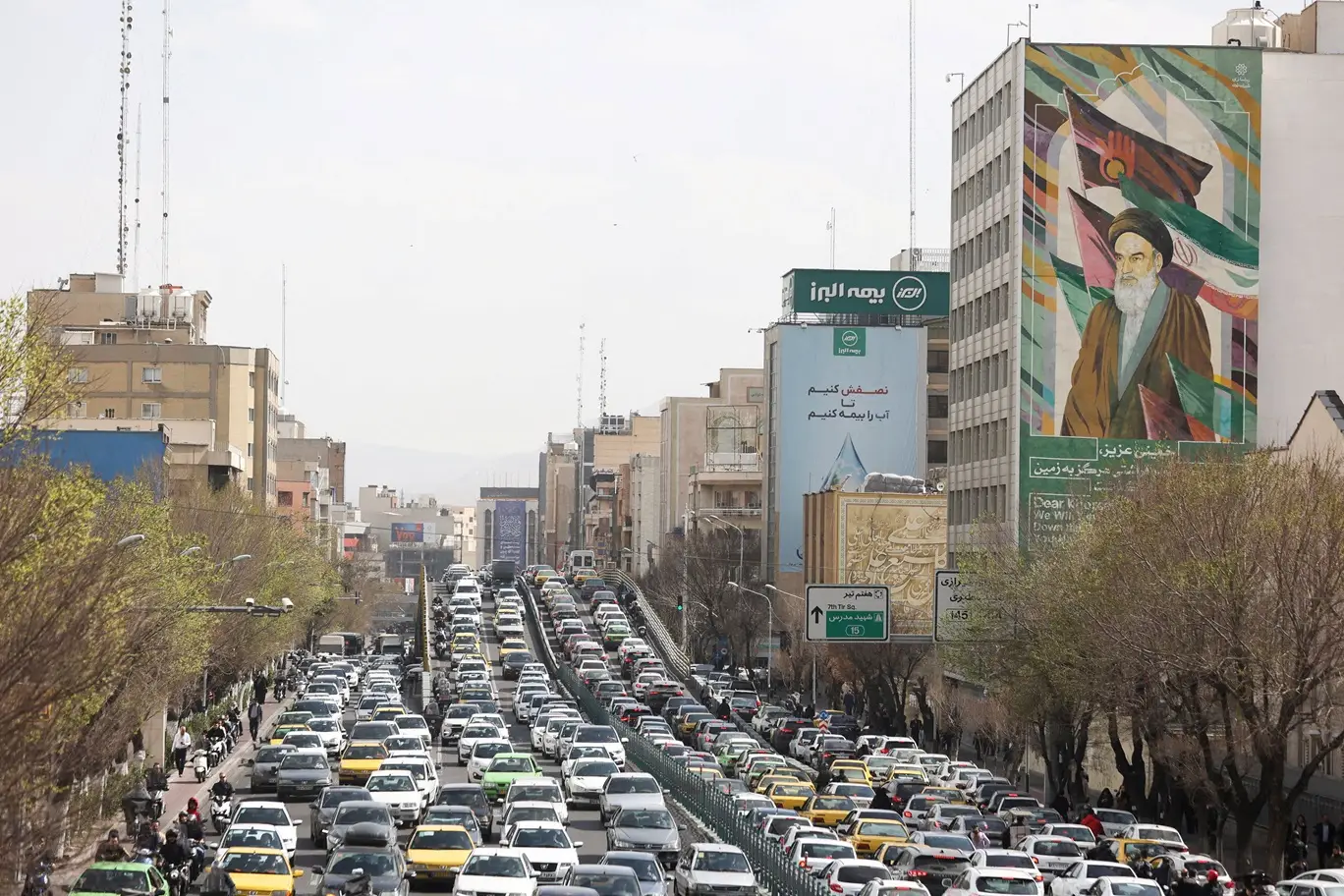
As the US bombs Tehran, Iranians say they feel abandoned by the government
More than a dozen Iranians said in interviews that the government offered little guidance both in the days leading up to the attacks and as the bombs fell.
For weeks, as the US strengthened its military presence in the region, Iranian officials had been promising to retaliate against Israel and “turn all American interests, bases and centers of influence” into targets.

Everything you need to know to protect your wallet
Saturday’s response was broad but below the intensity many analysts expected.
It is still too early to fully assess the scope of the Iranian response, but early signs indicate that it has been more diffuse than in last June’s 12-day war, when Iran launched nearly 600 missiles at Israel.
In that conflict, American forces attacked three Iranian nuclear facilities, but Tehran took more than a day to respond, firing missiles at the Al Udeid air base in Qatar. The majority were intercepted, causing no casualties.
The attacks were largely seen as contained and symbolic, and Iran had warned the United States and Qatar in advance. Then-President Donald Trump even thanked Tehran for showing “moderation” and said it was “time for peace”.
Saturday’s retaliation, by hitting multiple American interests in several countries, increased concern about a possible escalation of the conflict, putting civilians and infrastructure across the region at risk.
“The Iranians are responding by spreading pain across the region and trying to impose costs on U.S. allies and partners that host American forces and bases,” said Dana Stroul, research director at the Washington Institute for Near East Policy and former deputy assistant secretary of Defense for the Middle East.
Among the countries hit this Saturday is the United Arab Emirates, where the Ministry of Defense reported having intercepted several missiles launched from Iran. According to the ministry, debris fell in a residential neighborhood in Abu Dhabi, killing one person and causing material damage.
Jordan’s state news agency reported that the country’s armed forces intercepted two ballistic missiles that entered Jordanian airspace, without detailing where they were launched from.
Qatar’s Defense Ministry said it intercepted at least two waves of missile attacks. In a statement, the Ministry of the Interior stated that there was no record of victims or damage in residential areas.
Saudi Arabia also declared that it had intercepted attacks aimed at the capital, Riyadh, and the eastern region, and classified Iranian offensives on its territory as “cowardly”.
In a previous statement on Saturday, the Saudi government had already expressed support for other Arab countries that suffered retaliatory attacks and promised to help them.
The Strait of Hormuz, a strategic corridor for global maritime transport, was “practically closed”, according to Tasnim, an agency linked to the Revolutionary Guard, Iran’s most powerful military force. The measure could interrupt one of the most vital energy flow routes in the world: around a fifth of the oil and liquefied natural gas traded by sea pass through the strait.
Sirens sounded across Israeli territory in the hours following the start of attacks against Iran. Local media reported Iranian missiles in the Tirat Carmel region, in the Haifa district, where a large fragment hit a residential building, causing structural damage and injuring a resident.
In Umm al-Fahm and another community in northern Israel, minor injuries were reported. Debris and impact points were also identified in Jerusalem, Beit Shemesh, Kafr Manda, Kafr Harif and southern areas of the country.
According to the Israeli emergency service Magen David Adom, there are no deaths reported in Israel, apart from people injured while moving to shelters.
Iran also maintains what it calls an “Axis of Resistance” through allied groups in different Middle Eastern countries, such as the Houthis in Yemen and Hezbollah in Lebanon, which Tehran uses to expand its influence and confront rivals. Despite being weakened, these militias still have the capacity to attack American forces and regional allies, which could expand the conflict beyond Iranian borders.
After attacks on one of its strongholds this Saturday, Kataib Hezbollah — the most powerful pro-Iran militia in Iraq — announced that it will retaliate. “We will soon begin attacking American bases in response to their aggression,” one of the group’s leaders told .
Hezbollah, in turn, condemned in a statement the US and Israeli attacks on Iran, but did not make it clear whether it intends to enter directly into the conflict to defend Tehran.
This Saturday’s attacks led to the closure of airspace in several parts of the region.
Qatar Airways and Emirates announced the temporary suspension of flights to and from their hubs in Doha (Qatar) and Dubai (United Arab Emirates), respectively.
Syria’s civil aviation authority said it would close the country’s southern air corridors for 12 hours from midday, with traffic redirected to approved alternative routes, according to a statement.
Iran’s air defenses and other military capabilities were weakened during last year’s war with Israel, reducing the level of readiness ahead of this new round of attacks. Still, experts estimate that Tehran may be saving some of its firepower, expecting the operation to last several days, as American officials have already suggested.
“Iran’s policy here is one of resistance,” said Ali Vaez of the International Crisis Group, adding that the country has a high capacity to absorb losses. “If this turns into a war of attrition, the US and Israel have a better chance of blinking first than Iran.”
This article was originally published on .