Journalists still fear covering violence
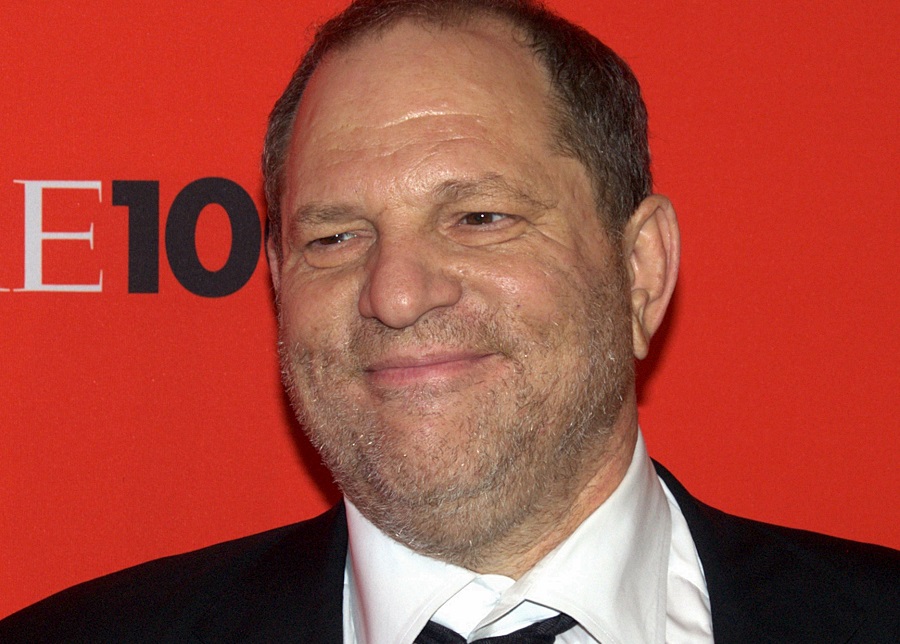
In 2017, the hashtag #MeToo dominated social media with personal accounts of violence and sexual abuse suffered by women around the world. The wave was triggered by the case of producer Harvey Weinstein, a Hollywood mogul accused of sexual assault by dozens of actresses.
Seven years later, 80% of journalists say that #MeToo has boosted coverage of issues related to women’s rights, gender-based and sexual violence. This visibility, however, comes with risks: more than 25% of professionals consider it dangerous to investigate the topic.
The data comes from the survey “Journalism in the #MeToo era”, by the NGO Reporters without Borders (RSF), which warns of the “violent repression” of journalists who cover these issues.
Me Too provoked changes in newsrooms
The Weinstein case came to light with the investigative report by Jodi Kantor and Megan Twohey, published on October 5, 2017 in the New York Times. Days later, Ronan Farrow from The New Yorker detailed the crimes of the American cinema boss.
The reaction to the revelations came in the form of indignation and solidarity. Social media was flooded by #MeToo, a global movement that encouraged women to speak out about their experiences of abuse.
In Brazil, the reports were shared with #EuAlso; in Tunisia, #EnaZeda; in Spain, #Cuéntalo; in South Africa, #EndRapeCulture; in Chile, #UnVioladorEnTuCamino.
Also read | Harassment of journalists spikes ahead of US elections and the future of press freedom is threatened, says report

After encouraging complaints and changing laws, it would be impossible for #MeToo not to also impact journalism.
The term “feminicide” has entered the daily press and coverage of sexual violence is no longer ignored, often making headlines in major newspapers.
According to RSF, the advance was also supported by structural changes in newsrooms, which adopted ethical charters and created “gender editor” positions, with the aim of ensuring more equal coverage for women and minorities.
To measure all these changes, RSF carried out a survey of 113 journalists in 112 countries. Since 2017, more than 80% of professionals have reported a significant increase in coverage of topics related to women’s rights and gender-based violence.
Also read | Ukrainian journalist awarded for courage dies in prison in Russia after more than a year missing
However, this “feminist spring” in the media does not come without risks.
The survey reveals that more than 25% of journalists consider covering the cases dangerous. This is because almost 60% know of at least one situation of a journalist who suffered online harassment after publishing articles about violence against women.
Threatened and intimidated on social media, many professionals find themselves forced into self-censorship or even exile, while others face abusive legal proceedings.
In authoritarian countries such as Russia, Iran and China, journalists are also at risk of arrest for covering the topic — as happened with Sophia Huang Xueqin, creator of #WoYeShi, the Chinese #MeToo, arrested in 2021 and sentenced to five years in prison in June.
RSF demands action against repression of journalists
The RSF report makes 16 recommendations to help protect journalists who cover gender-based violence and women’s rights.
Among the measures, the organization suggests criminalizing cyber harassment and supporting social media platforms to help prevent and combat this type of violence.
Anne Bocandé, editorial director of the NGO, highlights the importance of cooperation between States, authorities, platforms and journalistic companies to guarantee the right of journalists to work freely:
“RSF noted that Me Too favored the development of better journalistic practices and diverse networks of women journalists. However, despite all these advances, journalists specializing in women’s rights and gender-based violence are still the main targets of attacks that range from cyber harassment campaigns to murders. These abuses must stop.”
The full report can be seen here
Also read | Away from management, longer sentences: journalists have little to celebrate in the month of Women’s Day