
Lula expects support from France and Italy to sign the Mercosur-EU agreement on Saturday
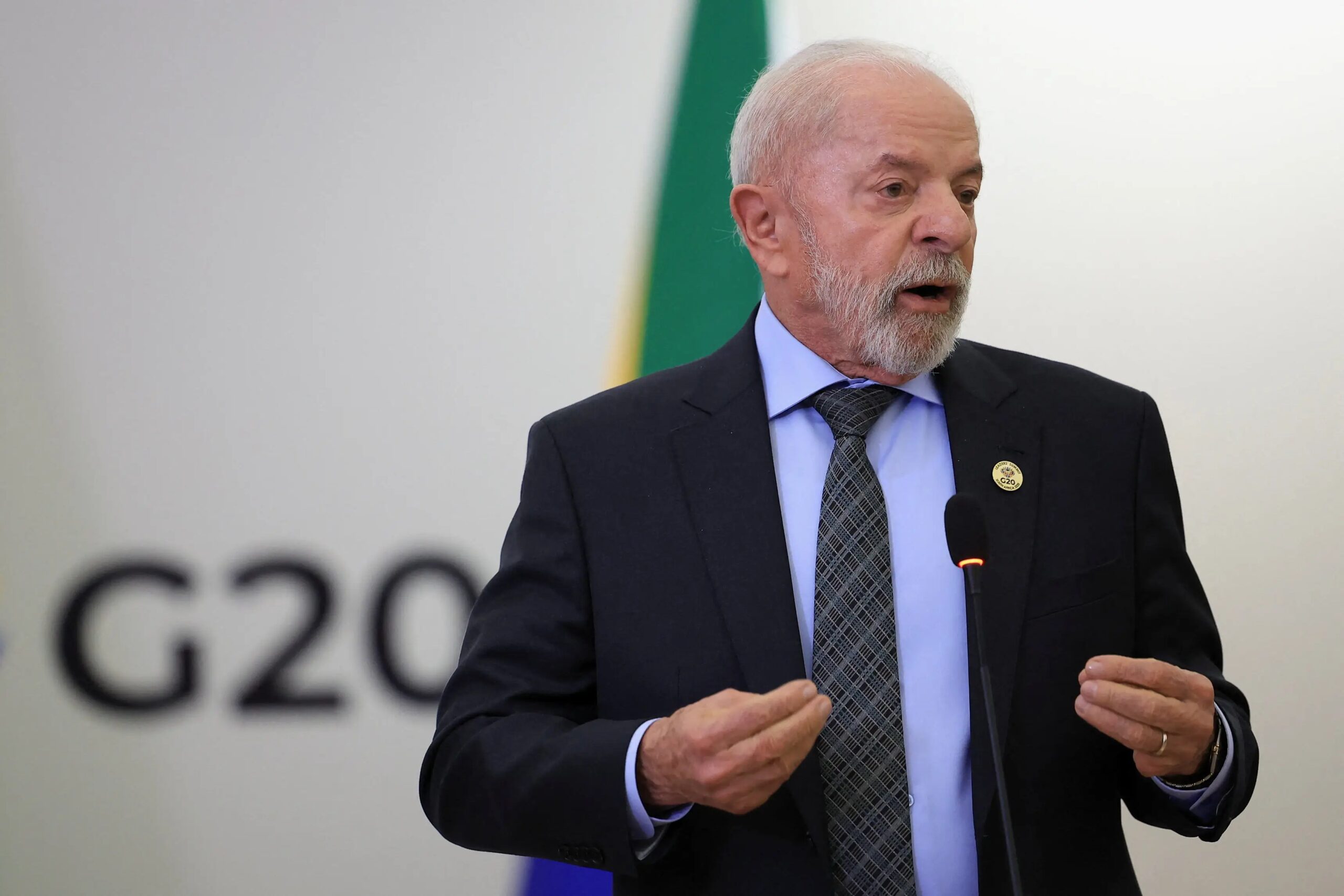
President Luiz Inácio Lula da Silva expressed this Tuesday (16) the expectation that France and Italy will support the signing of the agreement between Mercosur and the European Union, scheduled for next Saturday in Foz do Iguaçu.
According to Lula, the two blocs are willing to sign the agreement, but French rural producers resist because they fear that Brazilian products will harm their competitiveness.
Mercosur-EU agreement: European Parliament approves stricter agricultural safeguards
The protection measures clause will not be sufficient, in principle, to obtain French approval. Paris asked the EU to postpone the signing of the agreement, which Brussels would like to implement on Saturday
Germany says EU-Mercosur pact will be “probably dead” if there is no agreement
German official says EU-Mercosur pact will be “probably dead” if there is no agreement at an EU summit
“President (Emmanuel) Macron is very worried about rural producers in France, who believe they will lose competitiveness in the dispute with Brazil. They don’t want to close the agreement now because the population is a bit rebellious in France”, said Lula during a meeting of the Social Participation Council.
“Even though I told him that Brazil does not compete with French agricultural products. In fact, they are different things, different qualities. And we are giving in more than they are,” added the president.
Lula also expressed the hope that Macron and the Prime Minister of Italy, Giorgia Meloni, will take on the responsibility of, on Saturday, during the Unasur meeting in Foz do Iguaçu with the participation of the European Union, bringing the good news of the signing of the agreement, without fear of losing competitiveness for Brazil.
It was expected that the president of the European Commission, Ursula von der Leyen, would travel to Brazil at the end of this week to sign the agreement, which was negotiated for 25 years and closed a year ago between Mercosur — formed by Argentina, Bolivia, Brazil, Paraguay and Uruguay — and the European Union.
However, the deal faces resistance from a significant minority of EU members such as France, Italy and Poland.
Countries such as Germany, Spain and the Nordics argue that the agreement will benefit European exports, affected by US trade tariffs, and reduce the EU’s dependence on China, guaranteeing access to strategic minerals.
On the other hand, opponents, who dubbed the agreement “cars for cows”, argue that the entry of cheap commodities could harm European farmers.