
Lula seeks peace with Trump, but US bombs fall closer and closer
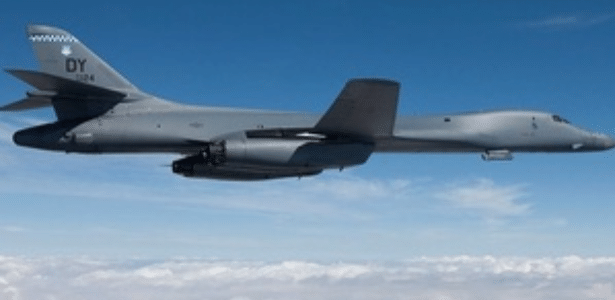
For political scientist Maurício Santoro, professor at the Navy’s Center for Political-Strategic Studies, “the crisis in Venezuela reinforces the importance of investing in defense, in contrast to the Brazilian reality of recent years, which was one of cuts.”
Portinho’s original project envisaged increasing the percentage of GDP for the Ministry of Defense, from 1% to 2%, but “it would not be the best solution to create a new obligation”. The commitment “does not solve the long-term problem, but it provides some relief”, according to Santoro.
Strategic analyst Paulo Roberto da Silva Gomes Filho, retired colonel, assesses that “this increase in tensions showed politicians that the situation cannot continue as it is.” According to him, the painting was already known, but “now it is visible to everyone”.
Regarding the possible meeting between Lula and Trump, he says he does not know “to what extent the president has the capacity to change anything” in the regional situation. “Brazil as a State does not have the capacity to interfere in any decision that is taken, it does not have much to do.”
He warns in particular that, on Sunday itself, the US military exercise in Trinidad and Tobago. “It is ten kilometers from the coast of Venezuela. It is still in the context of pressure, to foment a possible division in the regime. If there is an action, it will be specific. A missile attack or an action with special forces.”
A scenario that he sees as possible for Colombia as well. “What Brazil can do is state its position, against military interventions. It’s in article four of our Constitution.”
