
Market does not see effectiveness in cutting import taxes to make food cheaper
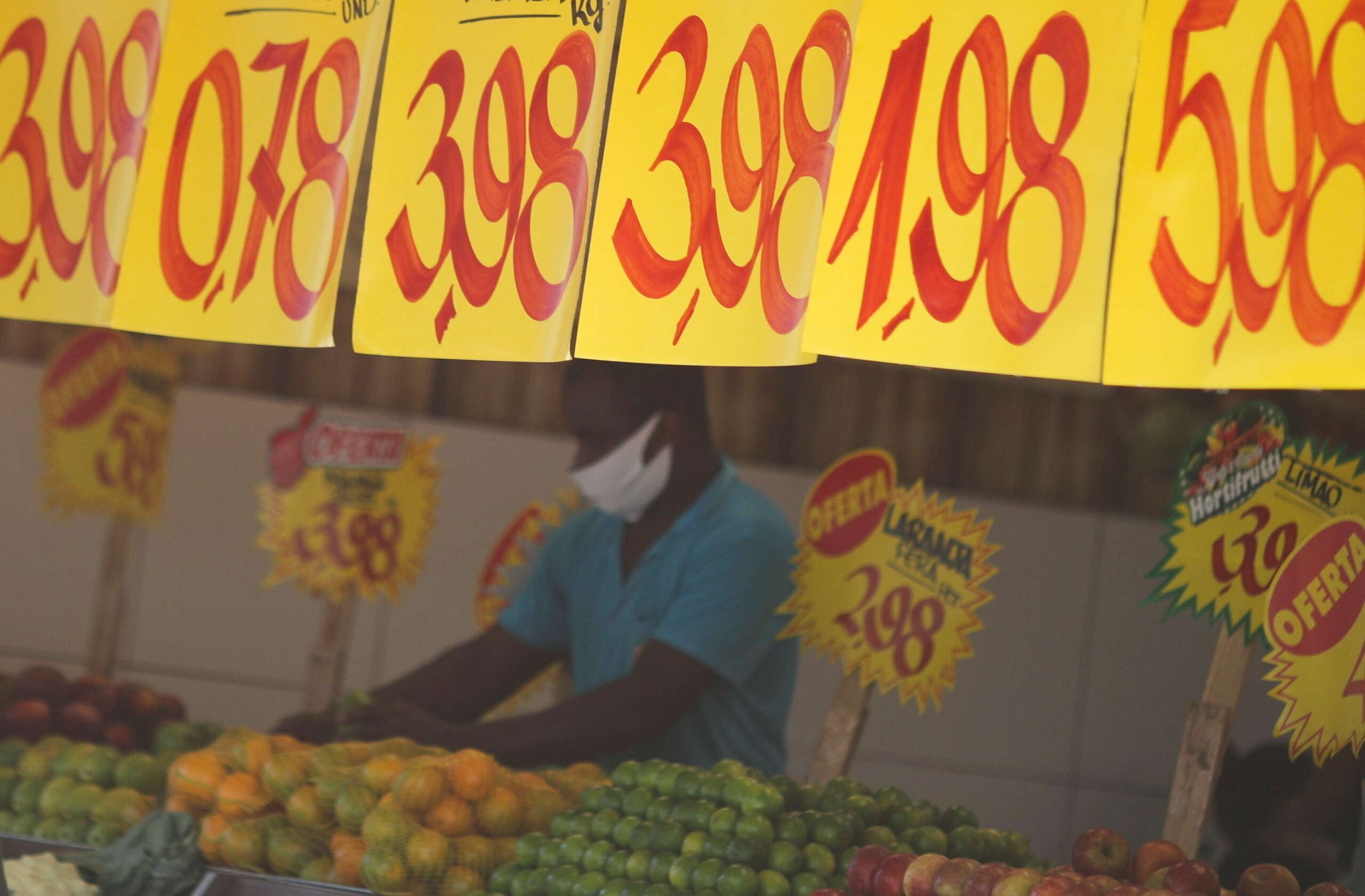
The reduction in import tariffs for food, cited by the government as a means of lowering the prices of these items internally, has its effectiveness questioned by experts and economists.
Luis Otávio de Souza Leal, chief economist at G5 Partners, said he considers the effect of a reduction in the tax rate on food on fiscal policy to be small and highlighted that the signal, with the measure, is bad on the part of the government.
“The weight of imports in government revenue is around 3%. This is not what will cause a fiscal cataclysm,” said Leal. “Despite the small impact, it is bad. Big holes start with small cracks. It’s not something the market likes to hear when the country’s problem is fiscal.”
DOWNLOAD YOURS
Read more:
- Gleisi attacks critics of possible reduction in food import tax
- Government tries to act against food inflation, but instruments are limited
Leal also said that the measure is harmless and counterproductive to containing inflation. He noted that the rise in meat prices has caused apprehension at Palácio do Planalto, but recalled that meat faces a global supply problem.
In the case of the idea of reducing corn import tariffs, being evaluated by the Ministry of Agriculture, the analyst at Consultoria Agro do Itaú BBA, Francisco Queiroz, said that imported corn, whether from Argentina or the United States, would hardly reach competitive prices for the Brazilian market. “Even with the reduction in retentions that the Argentine government announced yesterday (Friday), Argentine corn would not arrive cheaper here in Brazil,” he told Estadão/Broadcast.
In the case of the United States, Queiroz highlighted that valued American corn would also not be a viable option. “Even an 8% tariff reduction with this valued American corn would not be competitive either, that is, it would not be cheaper here in Brazil.”
Queiroz also highlighted doubts about the logistical feasibility of carrying out exports and imports simultaneously, especially in a record harvest year. “How would this logistics of exporting and importing grains work at the same time? I confess that this is a doubt and could eventually be a bottleneck.”
The analyst also warned of the possible impact of the measure on the planting of the second corn crop, which represents the majority of national production. “If this eventually happens and affects the price, we may see a producer who is more discouraged from planting the second crop.”
