
Mercosur and EU approach pact and final agreement is in the hands of leaders
The European Commission negotiates on behalf of the EU, but final approval depends on national governments.
The progress in negotiations occurs at a time when the streets of several European countries are witnessing protests by farmers, faced with the prospect of an opening for Mercosur agricultural products.
If confirmed, the agreement would allow 60 thousand tons of Mercosur meat to enter the EU per year.
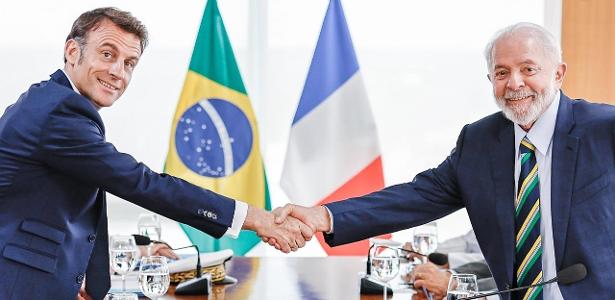
Last year, Macron claimed in a meeting with Lula that an agreement could deepen the irritation of French producers and throw them into the lap of the extreme right. In other words, they would opt for a nationalist discourse in the 2025 elections. In France, the extreme right has adopted a stance contrary to the agreement.
Meanwhile, French diplomacy is trying to organize a bloc within the EU to try to prevent the agreement, even signed by the European Commission, from being ratified.
The Polish government, which would face agricultural competition from Mercosur, announced on Friday (22) that it would not agree to an agreement. French Prime Minister Michel Barnier will still travel to Italy and hopes to close an agreement with Giorgia Meloni on December 5th to create a front against the agreement.
