
Michelle Bolsonaro publishes Lula’s photo with T -shirt asking for amnesty in 1979
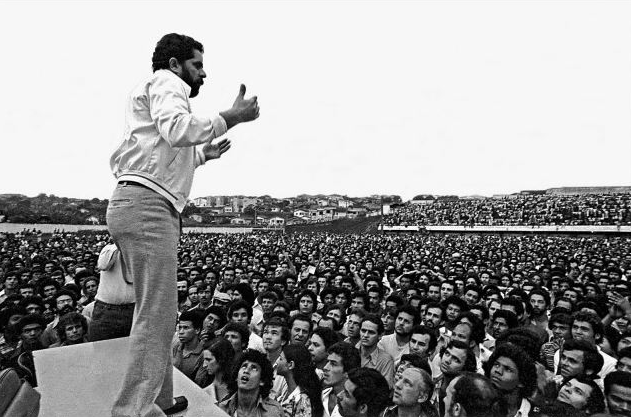
The same day her husband, Jair Bolsonaro (PL), was in Copacabana in Rio, asking amnesty to the convicts of the scammer acts of January 8, former first lady Michelle Bolsonaro posted an old photo of President Luiz Inacio Lula da Silva (PT) wearing a t-shirt that reads the word “amnesty”.
The photo was shared by other supporters of the former president, accused of coup d’état, during the week of call for the demonstration, which had only 2% of the public provided by Bolsonaro.
The photo, taken by Yugo Koyama in April 1979, shows the then unionist at ABC Paulista distributing pro-ninety leaflets during the last period of the military dictatorship.
The mobilization process for approval of “collective forgiveness” was initiated in 1975 by civil society organizations, and was out of four years later, in August 1979, with the amnesty law signed by then -President João Baptista Figueiredo, the last dictator of Brazil.
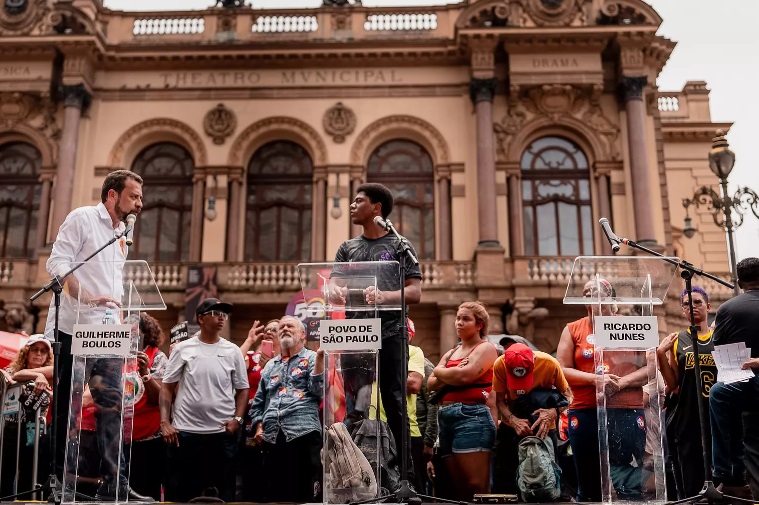
After Bolsonaro’s act, Boulos announces demonstration against amnesty
PSOL deputy summons protest on March 30 against attempting to amnesty those involved in the scoup of 8 January
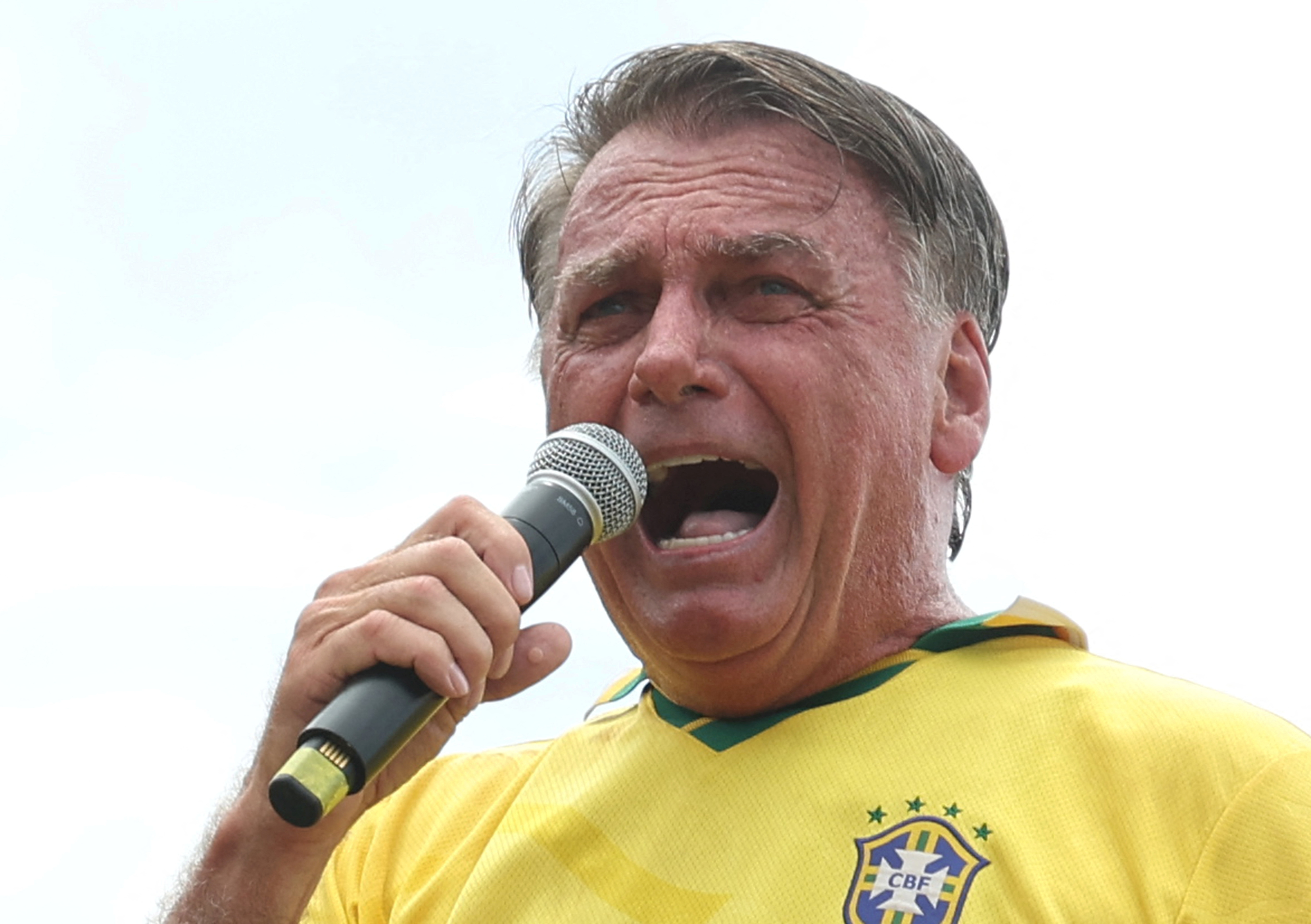
Representative calls for Bolsonaro’s pre -trial detention for conspiracy speech in Copacabana
PDT deputy, Duda Salabert, requested precautionary measures against the former president after a speech that, according to her, feeds dissatisfaction of extremist groups
It is a form of extinction of collective punishment, provided for in the Penal Code. Basically, it is a kind of “forgiveness”, granted within the law, to some crime committed, by law passed by Congress. In all, the law benefited 4,650 persons punished by exception acts that were arrested, revoked, banned, exiled or deprived of their jobs.
Among the beneficiaries, who would have committed political crimes or for political motivation between September 1961 and August 1979, were those who had suspended political rights and union representatives punished by military regime legislation – Lula was arrested the following year in 1980 for leading a strike.
Amnesty, however, also spared military personnel who, in the exercise of their national security functions, undermined the lives of accused of political crimes. This meant forgiveness to police and military who committed torture, murders, illegal arrests and other crimes against political militants considered subversive during the period.
Amnesty in Congress
With judgment on receipt of the complaint for attempted coup d’état scheduled for the 25th in the Federal Supreme Court (STF), Bolsonaro tries to pave the way to forgiveness, from which he may benefit.
While trying to raise popular support, the defendant operates in Congress to move forward with the proposal. Last Thursday, 13, the PL leader in the House, Deputy Sostenes Cavalcante (RJ), said that he should present the bill that amnesty those convicted of the coup acts as a party priority at the next meeting of home leaders, scheduled for Thursday, 20.
If the proposal is included in the agenda by the Mayor Hugo Motta (Republicans-PB), the bill can be voted on by the house plenary in the week of March 24 to 28.
