
Microsoft’s IPO turns 40: how much would you have had if you had invested US$1,000?
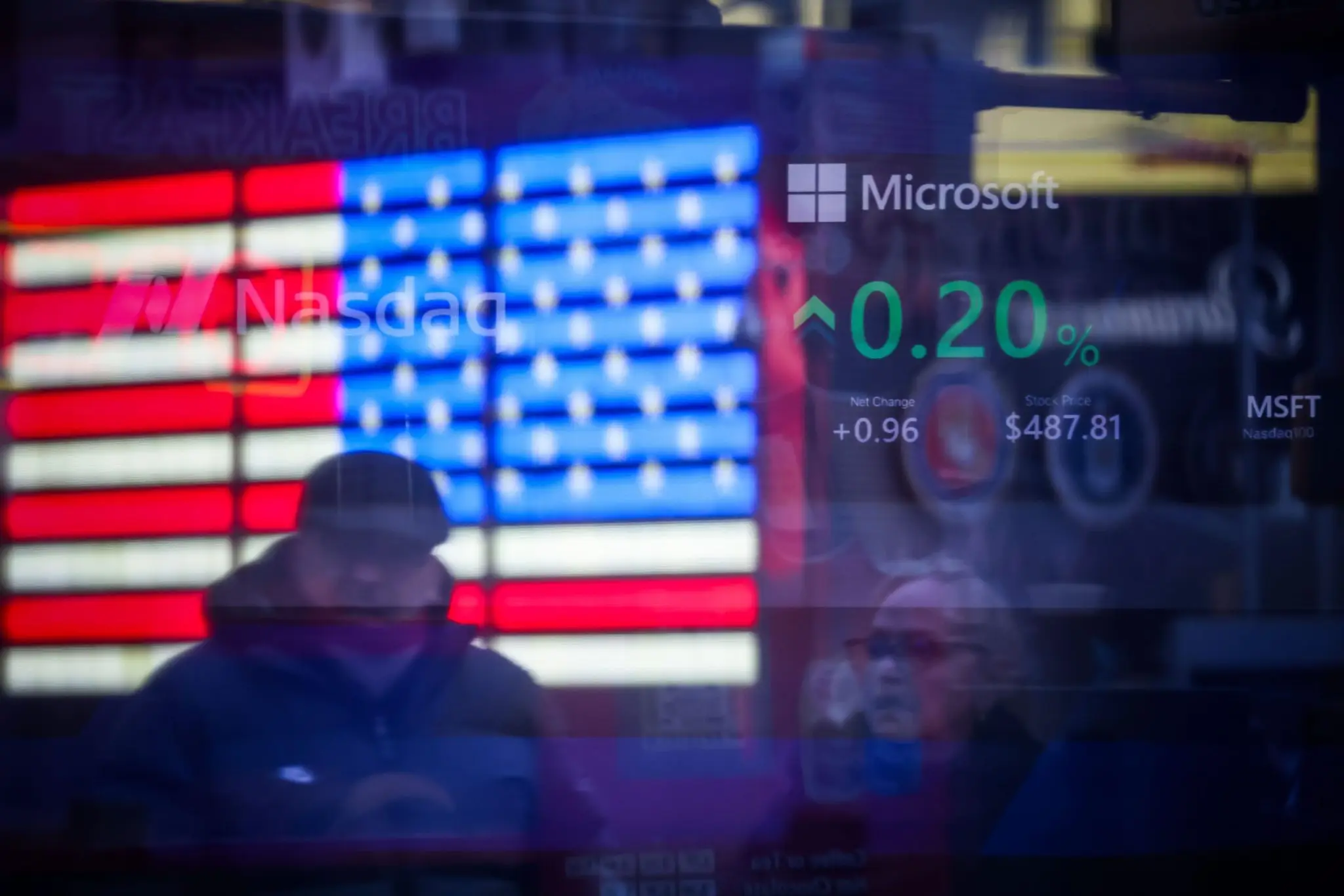
It started with a simple magazine cover and then evolved into one of the most valuable companies on the planet, with technology used in virtually every part of everyday life.
In January 1975, Bill Gates and Paul Allen saw the Altair 8800 personal computer on the cover of Popular Electronics magazine and saw something most people didn’t see: a machine in dire need of software. From this perception Microsoft was born, a combination of “microprocessors” and “software”, sometimes spelled in the early years as “Micro-Soft”. What began as a two-person operation in Albuquerque, New Mexico would, over the next five decades, reshape the way the entire world not only works, but also communicates, plays, and creates.
Now, 40 years after the company went public in 1986, many investors are reaping a previously unimaginable appreciation for a simple idea that emerged from that magazine cover decades ago.
How Microsoft Conquered the World
Microsoft’s formative years were built on a central insight: personal computers would reach everyone, and they would all need software. In 1981, IBM presented its milestone in the personal computer market, accompanied by a set of Microsoft products. This deal not only put Microsoft on the map, but turned the company into the invisible infrastructure of the entire PC industry. While IBM manufactured the hardware on the user’s desk, Microsoft silently controlled the language that made the machine work.
In November 1985, the company launched Windows, a graphical operating environment superimposed on the MS-DOS system, rudimentary by current standards, but revolutionary for the time. In the same year, Microsoft released the first retail version of Excel, which would later become the backbone of financial work around the world.
The investment of US$5.5 million
Exactly 40 years ago, Microsoft debuted on March 13, 1989 on the Nasdaq stock exchange, at US$21 per share. At the end of that first day of trading, shares had jumped to US$35.50. The offering raised growth capital, rewarded early employees and gave everyday investors a chance to buy a slice of the future of computing. But most of them had no idea what they were actually buying.
A $1,000 investment at the IPO price of $21 per share would have purchased approximately 47 shares. The number seems modest, but what came after was far from it.
If the investor had held the stock for all four decades, that initial $1,000 investment would have turned into $5.5 million todaythanks to some developments that kept the share price affordable and increased the number of shares held by shareholders.
Over the next four decades, Microsoft carried out nine stock splits, which would have turned those 47 shares into approximately 13,700 shares. And with Microsoft trading close to $400 per share today, a $1,000 investment made on IPO day would be worth approximately $5.5 million.
In addition to the developments, the return is almost double the market average. This represents an annualized total return of about 21.8%, compounded over the life of the stock, compared to the S&P 500’s historical annualized return of roughly 10.8% over the same period. It is one of the greatest long-term wealth creation stories in the history of the stock market.
And valuation alone does not show the complete picture. Microsoft began paying quarterly dividends in 2003, which means a long-term investor would have received an additional $341,513 in dividends on top of principal earnings by 2022. Today, that same investor would be receiving about $36,000 a year in dividend income, the equivalent of 36 times their original investment, just in annual cash payments.
The trajectory also required cold blood. After the dot-com bubble burst and Microsoft’s last stock split in 2003, stocks entered a long period of stagnation that lasted nearly a decade. An investor who had sold during those side years would have walked away with about $288,000, less than 7% of the amount that investors who never sold would have accumulated. The lesson was hard and simple: those who won the most were those who never pressed the sell button.
A $3 trillion company
Microsoft’s current scale is almost incomprehensible when compared to the $197 million in annual revenue the company generated at the time of its IPO. In the second quarter of fiscal 2026, ending December 31, 2025, Microsoft reported revenue of US$81.3 billion, up 17% year-on-year. Operating profit reached US$38.3 billion, an increase of 21%, and net profit reached US$38.5 billion.
Microsoft returned $12.7 billion to shareholders in the second quarter of fiscal 2026 through dividends and share repurchases, up 32% from the same period last year. Microsoft CEO Satya Nadella, commenting on the company’s momentum in artificial intelligence, stated: “We are just at the beginning of the AI diffusion phases and Microsoft has already built an AI business bigger than some of our biggest franchises.”
Forty years ago, a $1,000 check going to a budding software company would be worth about $5.5 million today.