
Military adventure costs money, say economists concerned about US deficit
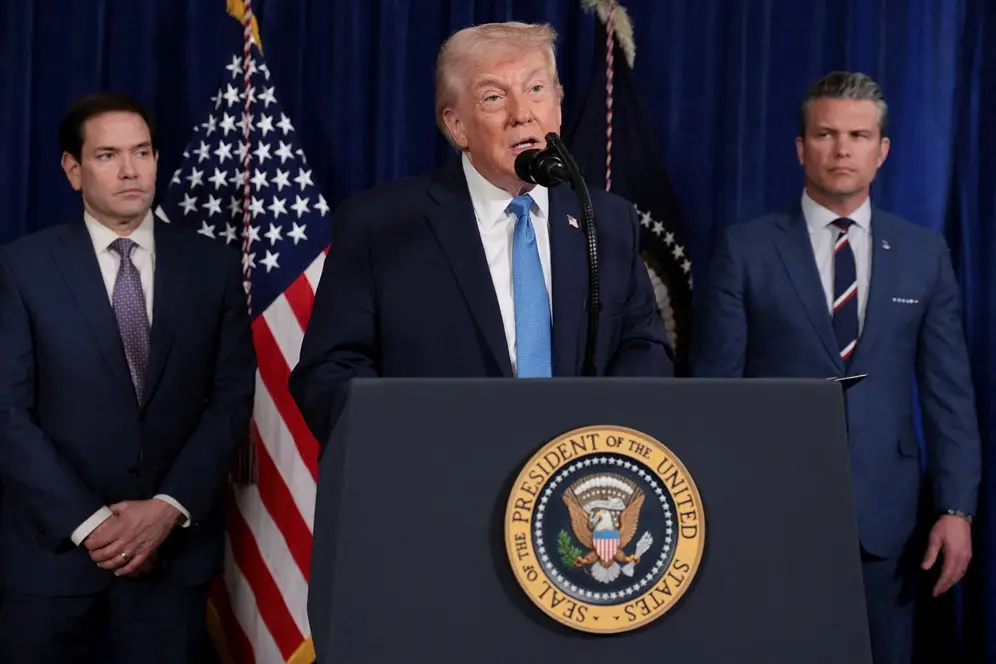
With the United States drowning in $38 trillion in debt, President Trump has decided that now is the time for the White House to also “manage” another country. Although the US will not bear the costs necessary to keep Venezuela’s economy running, the action taken over the weekend will undoubtedly come with accountability.
This, says UBS Bank, will be a central concern for investors as they assess the US debt risk premium heading into 2026. The United States’ fiscal trajectory — particularly its debt load — has been a growing concern for the likes of JPMorgan’s Jamie Dimon and Federal Reserve Chairman Jerome Powell, as well as countless economists and Wall Street analysts.
Who is the only Venezuelan billionaire who made a fortune outside of oil
Founder of Banesco, Escotet built a global financial empire, doubled his wealth in one year
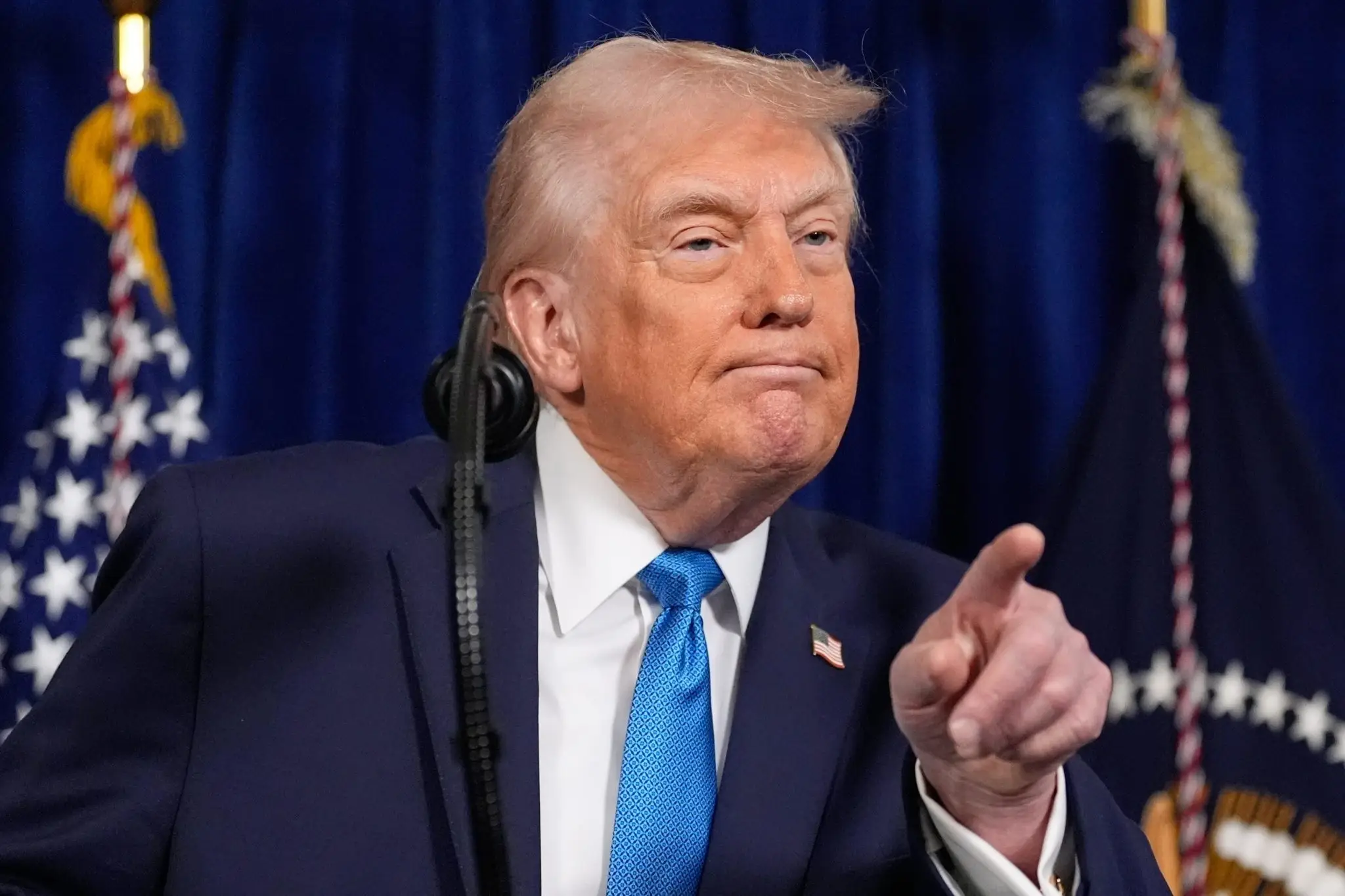
After Maduro’s arrest, Trump says that “I’m the one in charge of Venezuela”
In an interview with NBC News, the US president rules out elections in the short term, includes Rubio and Vance in charge
These concerns are made even more acute by recent changes to Trump’s tariff policies, some of which he has recently postponed.
Faced with rising expenses, the White House is also reducing its revenue. Last week, it was decided to postpone the increase in tariffs on upholstered furniture, kitchen cabinets and countertops, scheduled for this month of January. The measure was pushed to a year from now.
An apparent rollback of tariffs — an unusual but significant policy to help reorganize the U.S. budget — will likely make investors question how reliable this source of revenue will be. Indeed, money will be even more needed at the onset of new geopolitical turmoil.
At UBS, chief economist Paul Donovan highlighted that the postponement of new tariffs comes just as the latest political flashpoint — the cost of living — continues to worry the electorate.
In an audio sent to clients, he added: “Reducing tariffs is a fiscal stimulus; delaying tariffs is a delayed fiscal tightening in the United States, which has some marginal growth implications. It is also important for the implications for the size of the US fiscal deficit.”
Fiscal deficit is the difference between government spending and its revenue. According to the Bipartisan Policy Center, in November, the government’s accumulated deficit in fiscal year 2026 was already at US$439 billion (the year ends on the last day of September). Any deficit incurred year after year is added to the national debt, which is currently over $38.5 trillion.
“This could also be a consideration arising from recent U.S. action in Venezuela,” Donovan said.
“While it’s unclear what it means to say the U.S. will ‘administer Venezuela,’ military adventures cost money. That’s perhaps the most significant outcome of the weekend’s activities: Social media warriors may get excited about other geopolitical threats, but they’re likely to receive far less attention in financial markets.”
How far does this go?
It’s still early days, but how much President Trump’s intervention in Venezuela will cost depends on the magnitude and duration of the action.
The bill could be in the “livable” billions, Wharton professor Kent Smetters told Fortune, if U.S. troops remain out of the country and a new president acceptable to both the White House and the Venezuelan public takes power.
President Trump avoided answering questions about an election in Venezuela during a conversation with the press aboard Air Force One last night, insisting that the US will “manage” the country but stressing that “we are not going to invest anything” — that will be up to the oil companies.
This could represent a net gain for the U.S. over time, the University of Pennsylvania professor added, as the nation could gain access to a new heavy oil producer.
“However, if intervention in Venezuela becomes a new Iraq, then the costs could reach hundreds of billions of dollars or even more over the next decade. So I think the biggest risk is how this is handled going forward,” Professor Smetters said.
If a conflict arises, “the cost could be high.” Likewise, if the U.S. is forced to demonstrate strength, it could drive the stock price up to “tens of billions of dollars in the coming years,” he added.
The US fiscal situation would already be a major concern even without military intervention, according to Desmond Lachman, a senior fellow at the American Enterprise Institute — but that certainly doesn’t help.
Lachman highlighted that the biggest current threats to the U.S. national debt remain the legality of the tariff regime (and therefore its valuable revenue) and President Trump’s promise to forgo that revenue rather than use it to reduce the debt, as had been previously said.
“What worries me about Venezuela is that it just confirms that the United States is not a very reliable partner,” Lachman told Fortune.
“The bigger point is that Venezuela and even comments about Greenland, this is all just going to increase geopolitical uncertainty. And it’s also going to raise questions, certainly in the minds of central banks: Do you really want to have your money in a situation where the United States could freeze if it just decides it doesn’t like you?”
“My problem is that the budget deficit is already very bad, and Venezuela is certainly not going to improve it; on the contrary, Venezuela is getting worse, so I think we have a really big budget problem.”
