
MPTCU calls for an end to “super secrecy” in Banco Master case and criticizes TCU decision
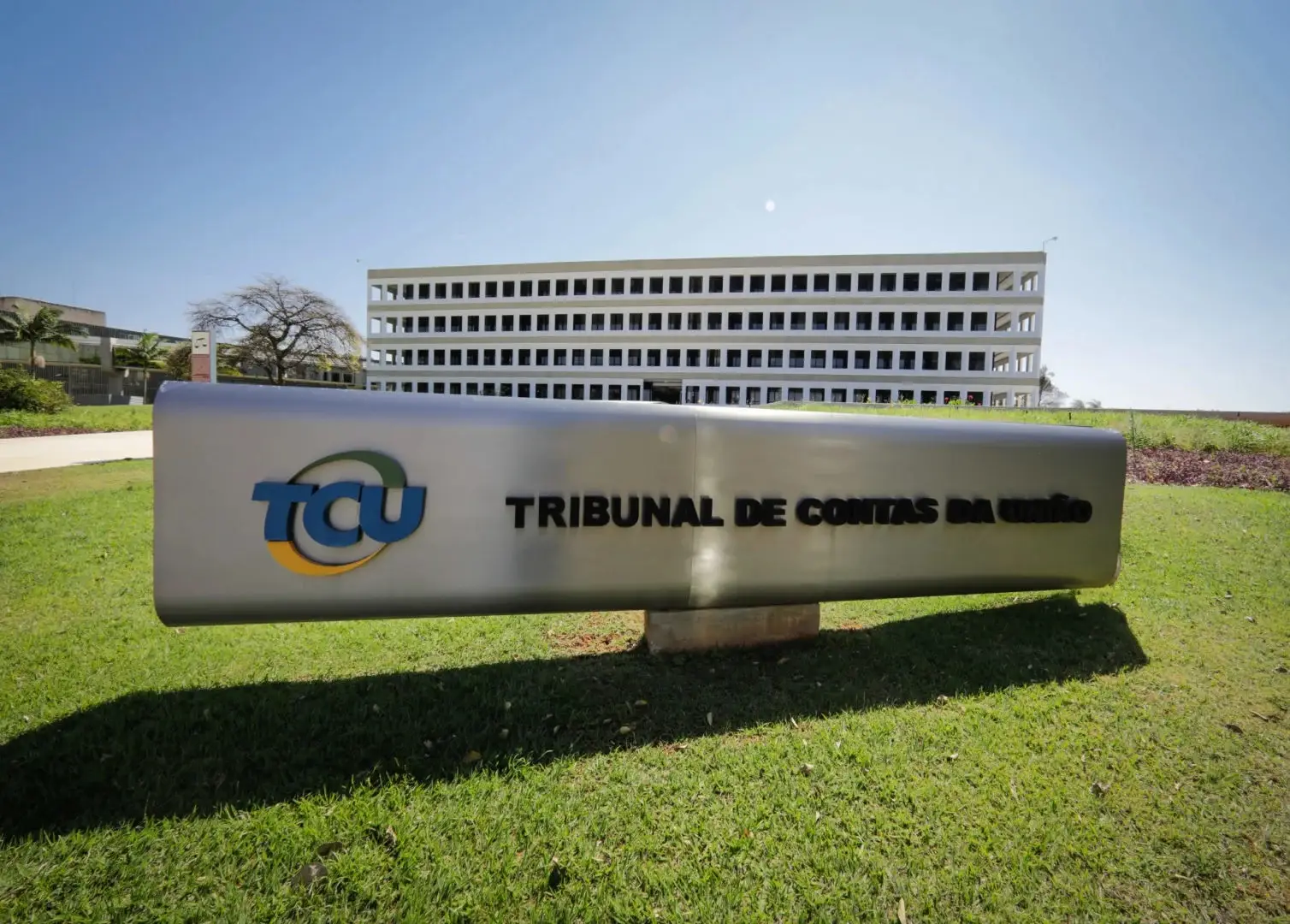
The deputy attorney general of the Public Ministry of Accounts (MPTCU), Lucas Furtado, filed this Friday, 20, a representation in which he requests the relaxation of the total secrecy imposed on the process regarding the Central Bank’s actions in the liquidation of the Master at the Federal Audit Court (TCU).
In the order, he argues that the access restriction only takes effect for documents that contain information effectively protected by legal secrecy and also that access is guaranteed by the BC.
PF prepares report on Master after Mendonça gives greater freedom in investigation
The PF’s first action against the Master was launched in November last year and its main target was the president of the Master, Daniel Vorcaro
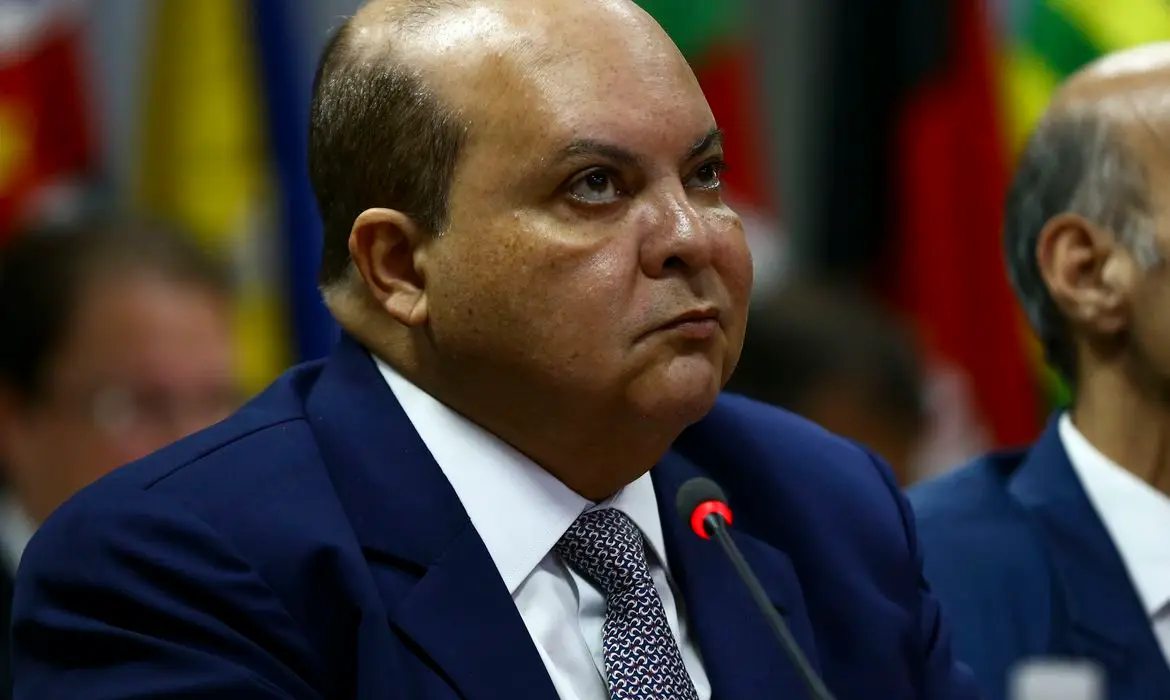
DF Chamber files impeachment requests against Ibaneis due to Master case
The representations were filed at the end of January by PSB, PSOL, PDT and Cidadania and are based on the scandal involving Banco Master
The classification of the procedure was changed from “confidential” to “confidential with specific reading authorization requirement” and became beyond the reach of even the monetary authority, which is a party to the action under the report of minister Jhonatan de Jesus.
Opportunity with security!

To access the documents, the municipality needs his express authorization. “In my opinion, the secrecy imposed by Minister Jhonatan de Jesus on the inspection report at the Central Bank regarding the Master case generates deep distrust and raises serious questions about the transparency and integrity of public institutions”, says the prosecutor in the representation.
He also asked that process documents containing public information be made available to everyone for social and press control purposes.
“In the case at hand, it is clear that relevant information about the liquidation of Banco Master and the actions of the Central Bank were initially collected and disclosed by the press. This fact shows that society, through journalistic work, is already aware of important aspects of the process. Therefore, the imposition of ‘super secrecy’ which, in practice, makes public monitoring of a topic of obvious collective interest unfeasible”, he states.