
Oil shock exposes dilemma: accelerate renewable energy or revive coal?
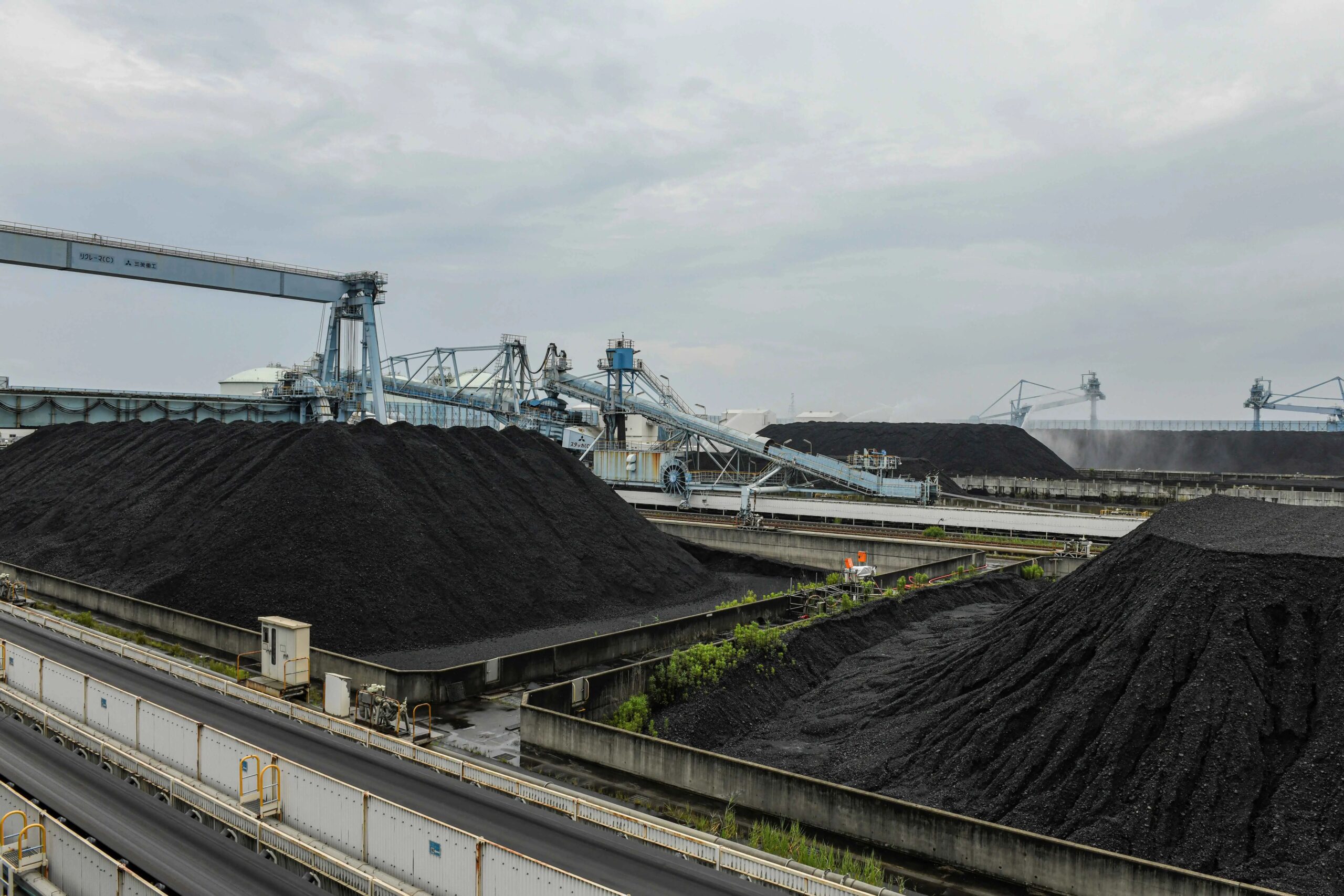
WASHINGTON — The war in Iran is strangling oil and gas supplies and driving up energy prices around the world. And for many environmentalists, this is a powerful argument for countries to reduce the use of fossil fuels and switch to renewable sources like wind, solar and others.
But as chaos forces nations to rethink their energy policies, the results can be mixed — and the cleanest options may not always win.
Some countries in Europe and Asia may try to install more wind turbines, solar panels and batteries to protect themselves from increases in the price of natural gas, as many did after Russia’s invasion of Ukraine in 2022. If oil prices remain high, electric cars could become a more economical option for drivers from Brazil to the United States.
“This new upheaval shows once again that dependence on fossil fuels leaves economies, companies, markets and people at the mercy of each new conflict,” said Simon Stiell, the United Nations climate chief. Investing in renewable energy, he said, is “the clearest path to energy security.”
Still, other countries may respond to the supply squeeze by burning more coal — a highly polluting but cheap and widely available fossil fuel — or adopting more natural gas from the United States. And if the conflict in Iran causes interest rates to rise, that could make new renewable energy systems more expensive, analysts said.
For its part, the Trump administration has been pushing countries to use more oil and gas and presenting the United States as a stable supplier of fossil fuels in a dangerous geopolitical era.
“It’s like a Rorschach test,” said David Victor, a professor of public policy at the University of California, San Diego. “The war reminded everyone of the enormous importance of energy security. And with that reminder come radically different responses.”
The war also highlights a notable shift in the global energy landscape. For years, many world leaders have declared tackling global warming a top priority and advocated a transition to cleaner energy sources that don’t heat the planet.
But recently, increasing geopolitical and commercial risks have led countries to seek domestic sources of any type of energy. This could include solar or nuclear power, but also coal or gas.
A race for energy
Fighting in the Middle East has already exposed vulnerabilities in global energy markets. About 20% of the world’s oil and much of its natural gas typically pass by ship through the Strait of Hormuz, a small seaway off Iran’s southern coast.
Since the war began, Iran has been attacking oil tankers in the strait and traffic has drastically slowed, disrupting critical energy supplies. International oil prices rose.
The shockwaves have been profound.
Qatar, which supplies a fifth of the world’s liquefied natural gas, has halted production, sending prices soaring and factories shutting down in distant gas-dependent countries, including India, South Korea and Taiwan.
In Vietnam, “sold out” signs began appearing at gas stations. In Pakistan, authorities have recommended four-day work weeks to save energy. Hungary and Croatia have imposed price controls on domestic fuels.
In the short term, many countries are racing to secure energy supplies wherever they can find them. This often means competing for oil, gas and coal, which together still provide 80% of the world’s energy needs.
In Thailand, which normally imports much of its natural gas from Qatar, authorities have ordered domestic coal plants to operate at full capacity and the national oil and gas company to maximize local production to make up for shortages.
In Taiwan, authorities have raised the possibility of reactivating a decommissioned coal plant.
In Europe, where natural gas prices have risen more than 75% since the start of the war, countries are buying more liquefied natural gas from the United States, outbidding poorer countries like Pakistan and Bangladesh.
“In the short term, countries will look for energy wherever they can find it,” said Kevin Book, managing director of ClearView Energy Partners, a research firm. “But in the long term, there is room for rethinking.”
Rethinking oil and gas imports
Depending on the duration and severity of the conflict in Iran, some countries may seek to reduce their dependence on oil and gas imports from the Middle East in the coming years, experts said.
This could benefit US gas exporters, who could offer an alternative to gas transported through the Strait of Hormuz.
Over the past decade, thanks to advances in hydraulic fracturing technology, the United States has become by far the world’s largest supplier of liquefied natural gas — a form of gas chilled for transportation. American companies must double export capacity by 2031.
“The security argument for Qatar gas has really been weakened, and that should strengthen the case for a lot of new LNG projects out there,” said Ira Joseph, a research fellow at Columbia University’s Center for Global Energy Policy.
Some countries in Southeast Asia and other regions may also turn to domestic sources of coal, the most polluting of fossil fuels but also widely available in many parts of the world.
In recent years, nations such as India, Indonesia, Bangladesh and Pakistan have been developing new coal plants, and global coal consumption has reached record levels.
“If the goal is domestically produced energy and you are South Africa, Indonesia or China, coal looks quite attractive from an energy security perspective,” said Jason Bordoff, founding director of the Center for Global Energy Policy.
A much less polluting option would be for countries to invest in renewable energy sources, such as wind and solar, which do not require fuel and could help protect them from volatile swings in gas and oil markets.
A recent analysis by BloombergNEF, a research firm, suggested that the conflict in Iran could boost solar power and batteries, the costs of which have been falling rapidly. Still, there are some hurdles that markets like Europe and India will need to overcome, including congestion on power grids, limitations on available land and regulatory bottlenecks.
Nuclear energy is another option. In Japan, which relies heavily on imported natural gas, authorities have been gradually reactivating nuclear plants that were closed in 2011 after a reactor meltdown in Fukushima. These efforts may take on new urgency as each nuclear plant typically replaces gas-fired electrical generation.
As both clean energy and fossil fuels stand to benefit, it is not yet clear what the new energy landscape will mean for greenhouse gas emissions.
The calculation of electric cars
The situation is a little different in the United States.
Because natural gas markets are highly regional, record gas production in the United States has kept the country relatively protected from price shocks in this sector.
Natural gas is the country’s largest source of electricity, and the fact that it remains cheap means that other sources such as wind, solar or nuclear are unlikely to receive a particular boost from the conflict in Iran.
However, the price of oil, which is traded globally, has been rising, which in turn has made gasoline more expensive for drivers in the United States. This could make electric vehicles more competitive, according to a separate BloombergNEF analysis.
Today, gasoline prices in the United States hover around $3.50 per gallon. If they rise to about $4 per gallon, the total cost of owning an electric car like the Tesla Model Y would be roughly similar to the total cost of owning a gasoline-powered Toyota RAV4, due to lower fuel costs, the analysis found.
Still, there are many complications, said Ethan Zindler, head of country and public policy research at BloombergNEF.
“Consumers would need to believe that prices will stay where they are,” he said.
The United States, Canada and Europe have also imposed tariffs and other trade barriers on Chinese electric vehicles, which are now among the cheapest on the market. Some experts wonder whether this dynamic could change if prices remain high long enough.
“The question is at what point does this crisis last long enough to start changing people’s long-term thinking about energy policy and energy strategy,” Zindler said. “The more prices rise, the greater the changes we will see.”
