
Opposition leaders press Motta to vote amnesty this week
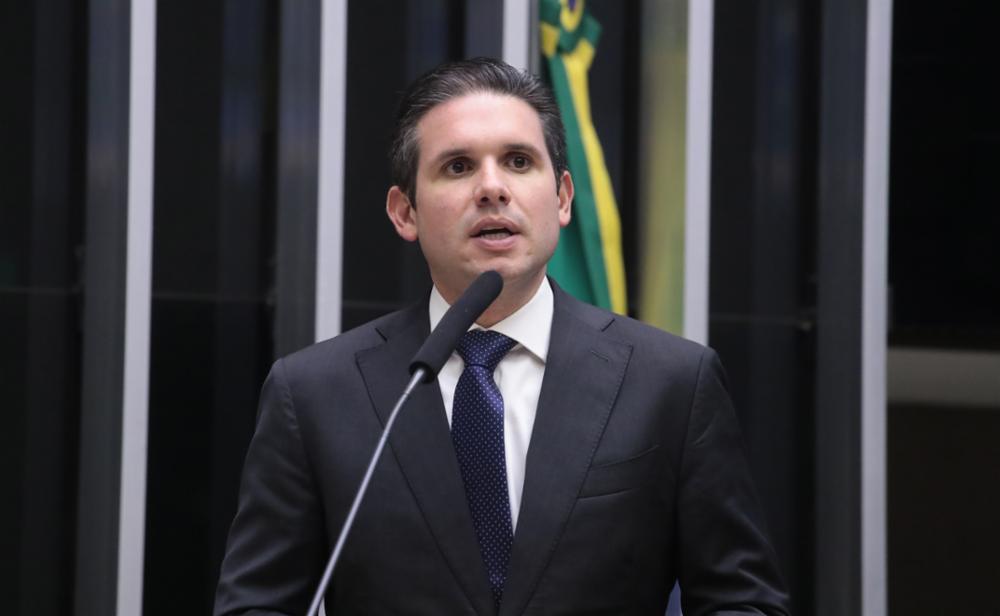
Right on the return of the trip to Japan in the entourage of President Luiz Inacio Lula da Silva, the mayor, Hugo Mota (Republicans-PB), will face the pressure of opposition deputies to bring to the plenary, in an urgent regime, the Bill that grants amnesty to those condemned on January 8, 2023.
The matter again gained breath after the decision of the 1st class of the STF last week, which turned the defendant the Former President Jair Bolsonaro and seven other accused of involvement in the actions of 8 January. Opposition and government leaders will discuss the issue with President Motta at meetings on Tuesday (01/04).
Also read: Bolsonaro Defendant: See Summary of Accusations, Defense and Next Steps of the Judgment in the STF
PL leader, Deputy Sostenes Cavalcante (PL-RJ), says he is convinced that President Hugo Motta will honor the commitments with the bench and put the project by voting.
I want my access
According to Deputy Luiz Philippe of Orleans Bragança (PL-SP), there is pressure from public opinion in favor of the agenda and the affixing promises to obstruct the work of the house if the project is not taken to the plenary.
Also read: With back from Hugo Motta, January 8 amnesty project should advance in the Chamber
Trust
Bragança argues that the amnesty project has gone through the commissions and returning now it would be just to disturb the proceedings. He states that “Motta has not yet proved that he deserves the confidence of the opposition. A part of the agreement to support him was exactly the vote on the amnesty’s agenda,” he adds.
The project does not include the case of former President Jair Bolsonaro, but allies intend to use it as a way to press the Supreme Court to reduce the former president’s penalty
Last year, the bill was based on the Chamber’s Constitution and Justice Commission (CCJ), but the then president of the House, Arthur Lira (PP-AL) created a special committee to analyze the theme and the project was stopped.
Now the opposition tries to force the vote in the plenary, but Motta’s allies believe that the most likely is to resume the discussion in the special committee, with no time limit to lead to the vote.