
Polarized country without a majority: Meio/Ideia indicates unstable ground for Lula in 2026
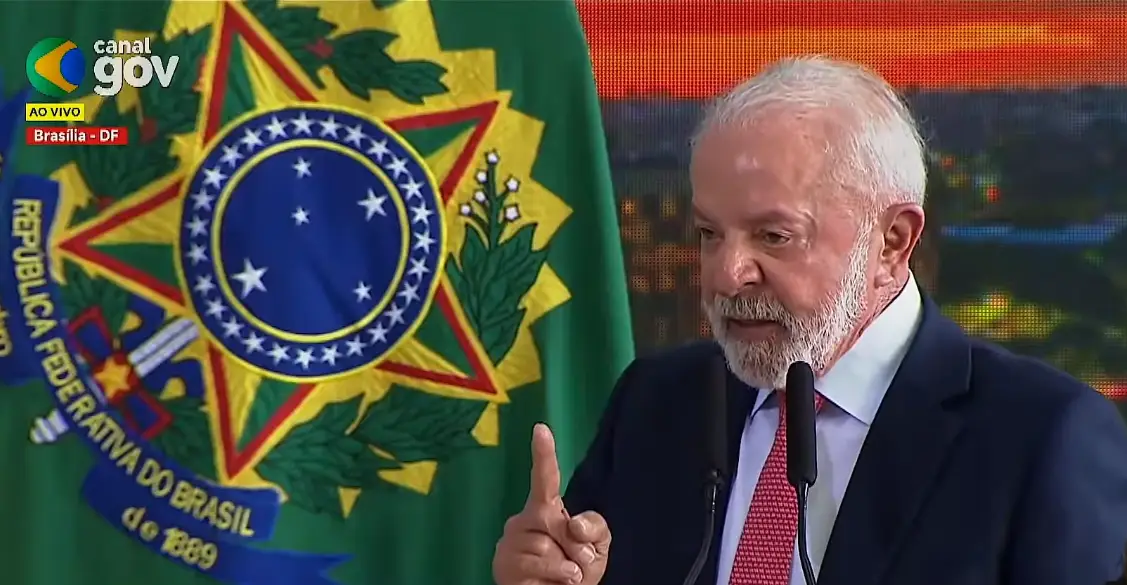
Voters’ perception of the continuity of Luiz Inácio Lula da Silva’s (PT) government reveals a divided country on the eve of the 2026 presidential contest.
Data from the Meio Ideia survey, released this Tuesday (13), show that opinions on whether or not the president deserves to remain in office are balanced, with no clear majority forming.
The survey indicates that the assessment of Lula’s stay in the Planalto is distributed in a polarized manner between approval (46.9%) and rejection (50%), reinforcing an electoral environment of tight competition.
Medium/Idea shows Tarcísio as Lula’s most competitive opponent in the 2nd round
Survey indicates a technical tie between the São Paulo governor and the president, while other opposition names are further away from the PT member
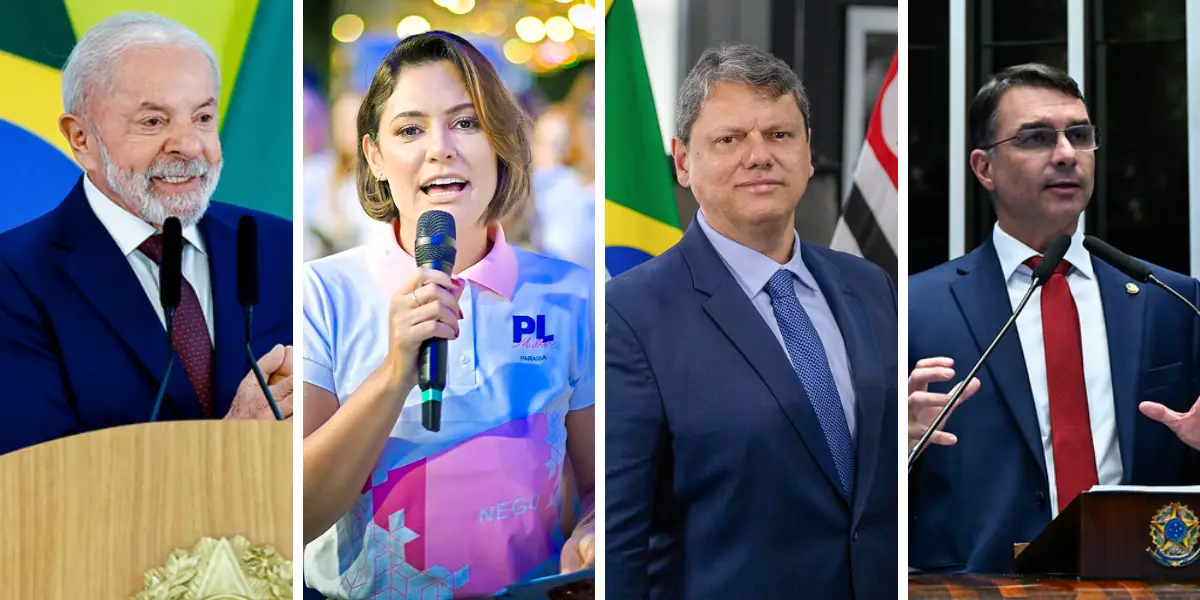
Lula surpasses Tarcísio, Michelle and Flávio in the 1st round, according to research Meio/Ideia
President appears ahead of all opponents in the first and second round
The result suggests that the election tends to assume a plebiscitary character, with the debate focusing on the continuity of the current government more than on the comparison between alternative programs.
This scenario helps explain Lula’s performance in the second round scenarios tested by the research. The president maintains a technical advantage or draw against all possible opponents, but without a comfortable margin.
In comparison with the governor of São Paulo, Tarcísio de Freitas (Republicanos-SP), for example, the percentages indicate balance within the margin of error, signaling that a relevant part of the electorate is still open to change. The president has 44.4% of voting intentions, while the São Paulo governor has 42.1%.
The reading of the data is that the absence of a consolidated majority in favor of the continuity of the government increases the importance of sensitive topics for voters, such as the economy and public security, areas that appear with more critical assessments in other sections of the survey. This tends to increase the weight of the campaign and communication strategies throughout 2026.
According to Maurício Moura, founder of Ideia, the photograph captured now points to an election decided by a narrow margin. Research suggests that small shifts in the electorate’s mood may be enough to alter the final outcome, especially in a context of high polarization and low advance decision-making.
The Meio Ideia survey interviewed 2,000 voters across the country between January 8 and 12, 2026, via telephone interviews. The margin of error is 2.2 percentage points, with a 95% confidence level. The survey is registered with the Superior Electoral Court under number BR-06731/2026.