
Rebuilding Gaza will take a decade and ending the occupation is the only path to peace
Fresh water supplies are severely limited and much of what remains is polluted. The collapse of sewage treatment infrastructure, the destruction of plumbing systems, and the reliance on septic tanks for sanitation have likely increased contamination of the aquifer that supplies most of Gaza’s water, while marine and coastal areas are also suspected of being contaminated.
Furthermore, since 2023, the Gaza Strip has lost 97% of its tree plantations, 95% of its vegetation cover and 82% of its annual crops, making large-scale food production impossible.
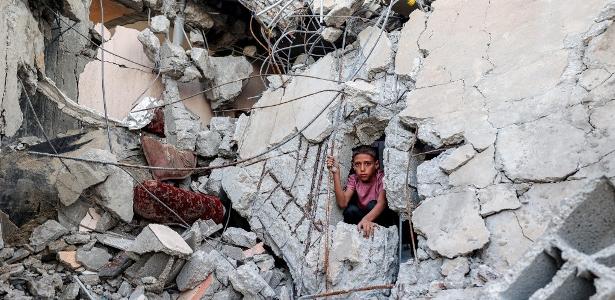
According to the UN, around 78% of Gaza’s estimated 250,000 buildings were damaged or destroyed, generating 61 million tonnes of rubble, of which around 15% may be contaminated with asbestos, industrial waste or heavy metals. The volume is the equivalent of 15 pyramids in Egypt.
Currently, no one has access to safe sanitation, compared to 85% of the population connected to sewage systems and treatment plants before October 2023. More than 1.2 million people (57% of Gaza’s population) are exposed to sewage or fecal matter within 10 meters of their homes, posing serious health risks.
Only half of families have access to private basic sanitation, while the rest depend on shared or unsafe facilities, compromising their health and dignity.
As of late 2024, there are few latrines in Gaza. Each of them was used by hundreds of people.
