
Revitalized Tranquility: Explore the New Edible Gardens, Waterfalls, and ‘Breathing Gallery’ in Chinese and Japanese Gardens
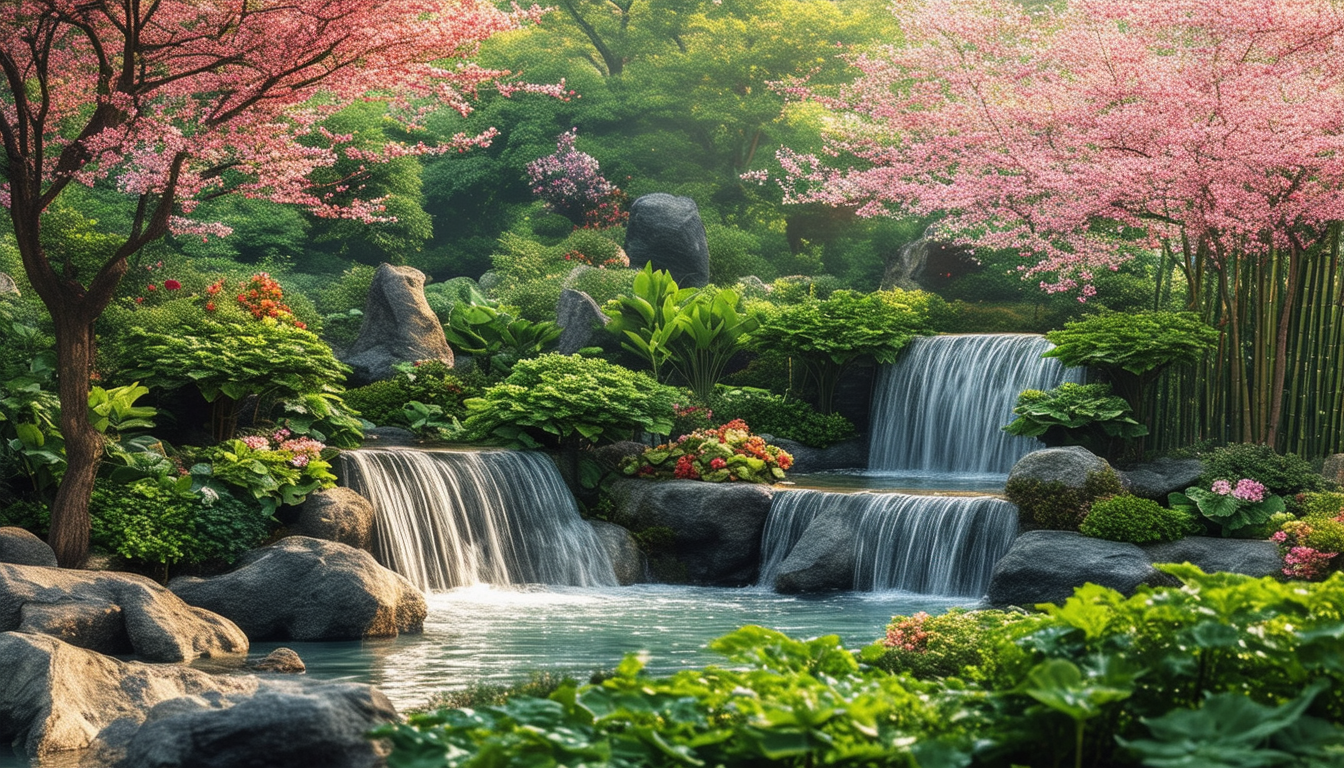
Immerse yourself in the revitalized charm of the newly reopened Chinese and Japanese Gardens, where serene landscapes meet modern enhancements. Visitors can now explore a captivating array of attractions, including vibrant edible gardens, mesmerizing waterfalls, and the innovative ‘breathing gallery’. These additions promise to offer a harmonious blend of nature and tranquility, inviting you to embark on a peaceful journey through meticulously designed floral and aquatic sceneries.
The newly reopened Chinese and Japanese Gardens are brimming with fresh attractions and features. From an edible garden to mesmerizing waterfalls and the serene ‘breathing gallery’, visitors are invited to immerse themselves in a blend of nature, culture, and tranquility. This article delves into these spectacular updates, offering detailed insights into each distinctive aspect.
The Reopening of the Chinese and Japanese Gardens
The much-anticipated reopening of the Chinese and Japanese Gardens has enthusiasts and visitors alike excited about exploring these revitalized spaces. Announced during the National Day Rally in 2014, the rejuvenation project aimed to enhance the gardens while preserving their unique cultural elements.
An Edible Garden: A Fusion of Nature and Nourishment
Among the new features, the edible garden stands out as a unique addition that merges horticulture with sustainability. This garden offers visitors a firsthand experience with a variety of fruits, vegetables, and herbs that are not only beautiful but also beneficial for consumption. It exemplifies a growing trend in gardening where aesthetics meet practicality.
Discover the Serenity of Waterfalls
Waterfalls have always symbolized tranquility and beauty in garden landscapes. The newly introduced waterfalls in both the Chinese and Japanese Gardens add a soothing auditory and visual dimension. These features enhance the atmosphere of peace, inviting visitors to pause and reflect amid nature’s splendor.
The Breathing Gallery: A Space for Contemplation
One of the most intriguing additions is the ‘breathing gallery’. This area offers a calm and serene environment designed for meditation and relaxation. The space is crafted to promote mindfulness, encouraging individuals to breathe deeply and reconnect with their inner peace.
The Unique Features of Chinese and Japanese Gardens
While both gardens share a common purpose of providing a peaceful escape, their features are distinct. The Chinese Gardens are known for their historic architecture and detailed pavilions. In contrast, the Japanese Gardens focus on minimalistic designs that encapsulate the essence of Zen, such as rock gardens and minimalist landscaping.
Zen Gardens: A Journey through Tranquility
The Japanese Gardens invite visitors on a journey through Zen gardens. These spaces are meticulously designed to evoke a sense of peace and mindfulness. Utilizing elements such as rocks, sand, and carefully curated plants, the Zen gardens represent the pinnacle of serene landscaping.
Cultural and Educational Impact
The revitalized gardens serve more than just an aesthetic purpose. They are crucial for cultural education and preserving heritage. Visitors can learn about traditional gardening techniques, cultural practices, and the philosophies underpinning these beautiful spaces. The integration of features such as the edible garden highlights the importance of sustainable practices and learning how nature can be both beautiful and practical.
The newly reopened Chinese and Japanese gardens present a revived oasis of tranquility, inviting visitors to immerse themselves in a blend of nature and cultural heritage. After extensive rejuvenation efforts, the gardens now feature an array of new attractions that enhance the visitor experience. Among these, the edible garden stands out, offering a unique opportunity to explore the relationship between humans and the environment through sustainable and edible plants.
One of the most remarkable additions is the waterfall, which provides a soothing backdrop of cascading water. This feature not only enhances the aesthetic appeal of the gardens but also contributes to a serene atmosphere where visitors can find moments of peace and introspection. The sound of flowing water creates a natural symphony, blending seamlessly with the garden surroundings.
Another highlight is the innovative ‘breathing gallery’. This space is designed to encapsulate the spirit of rejuvenation and life, utilizing natural elements to create a dynamic and ever-changing environment. Visitors can experience the subtle interactions between light, air, and plant life, fostering a deeper connection with nature.
The Chinese and Japanese gardens also include refurbished pavilions and several floral and aquatic gardens, providing picturesque settings for leisurely strolls or contemplative moments. These elements combine traditional design principles with modern landscaping techniques, resulting in a harmonious blend of old and new.
These gardens are not just spaces of visual beauty; they are designed to educate and inspire. From exploring concepts of biodiversity and edible gardening to experiencing the meticulously crafted landscapes, visitors are encouraged to deepen their understanding of horticulture and sustainability.
Whether starting your journey from Lakeside MRT or exploring the paths between the Chinese and Japanese gardens, the revitalized spaces offer a unique escape from urban life. With their stunning landscapes and thoughtful design, these gardens continue to stand as a testament to the importance of preserving and enhancing natural spaces.