
Scammers use INSS fraud to deceive retirees with promises of reimbursement
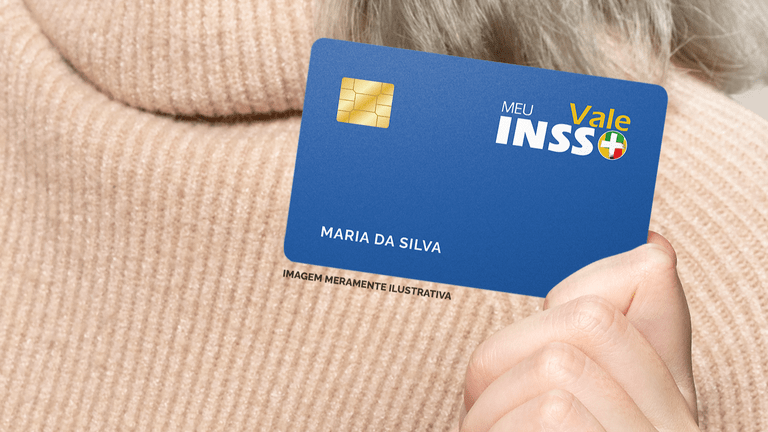
Criminals are taking advantage of the INSS fraud scandal to apply new strokes to retirees and pensioners. Following the revelation of an undue billionaire scheme for social security benefits, which may have caused a loss of up to R $ 6.3 billion, scammers began to contact beneficiaries by telephone and Whatsapp messages, pretending to be officials from the institute.
According to the Ministry of Social Security, scammers use personal data from victims to offer false promises of immediate return of discounted values or to “speed up” compensation. Approaches include suspicious links sent by messages, emails or social networks-all fraudulent.
Entities of entities investigated for INSS fraud were oranges of entrepreneurs
Associations moved R $ 1.7 billion with retirees discounts; contracts involve suspicious prosecutors and servers under investigation
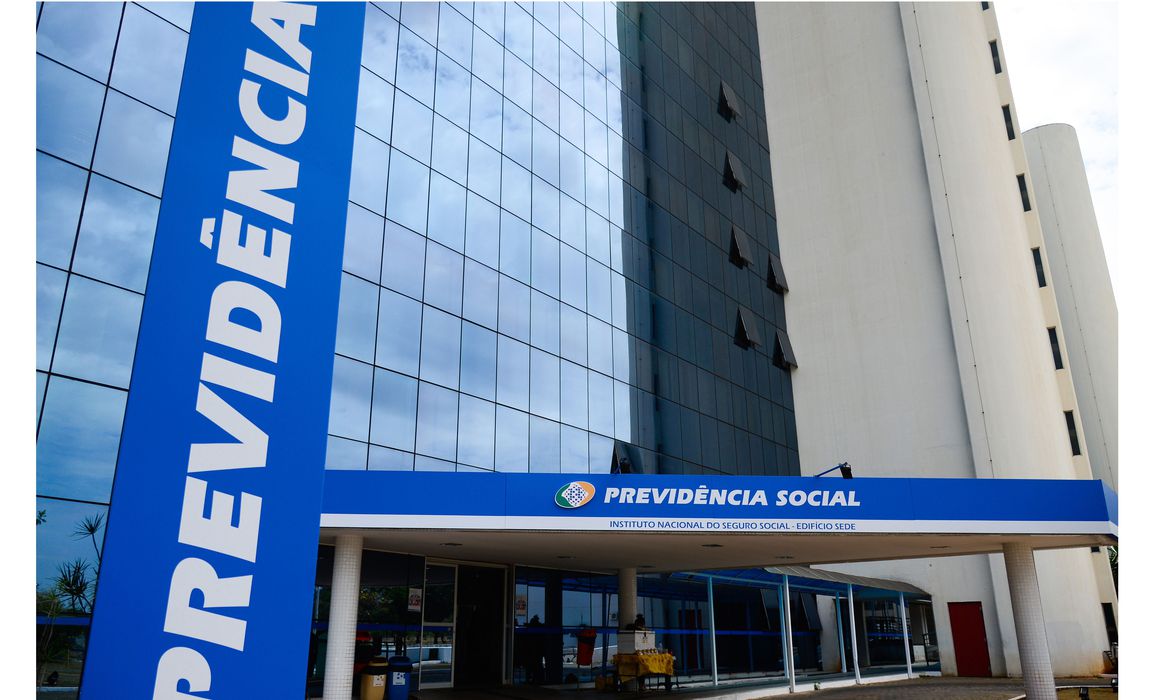
New president of the INSS is expected to restructure a municipality after retirement fraud
Gilberto Waller will be mission to recover credibility, return values and reset line of benefits
In a statement published on the official website, the ministry made a formal alert to beneficiaries not to access links received by unofficial means and do not provide personal information.

I want my access
“The Ministry of Social Security warns Retired and Pensioners of the National Institute of Social Security (INSS) so as not to access link sent by email, message application or other means, informing about ‘reimbursement of discounts of associative monthly fees’,” says the text.
The folder also informed that the amounts improperly discounted in April will be automatically returned on the payroll of May, with credits scheduled between May 26 and June 6, as directed by the Comptroller General of the Union (CGU).
The reimbursement of discounted values before April will be evaluated by a working group of the Attorney General of the Union (AGU), which will define the legal and operational criteria for the return. That is, it is not necessary to register, click links or provide bank data to receive any amount.
The ministry also confirmed that it has already received formal insured complaints approached by scammers. Messages offered the “anticipation” of the amounts due by payment of fees or sending personal data. “Be careful, it’s a blow!”, Reinforces the pension note.
Cybersecurity experts warn that this kind of coup usually gains traction in times of social commotion and institutional uncertainty, such as the current one. The use of public agencies is a common practice to collect sensitive data and apply financial fraud.
