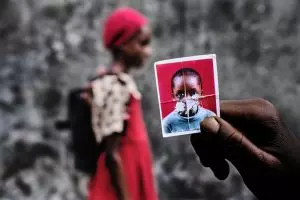
See the economic impact of the distorted representation of Africa
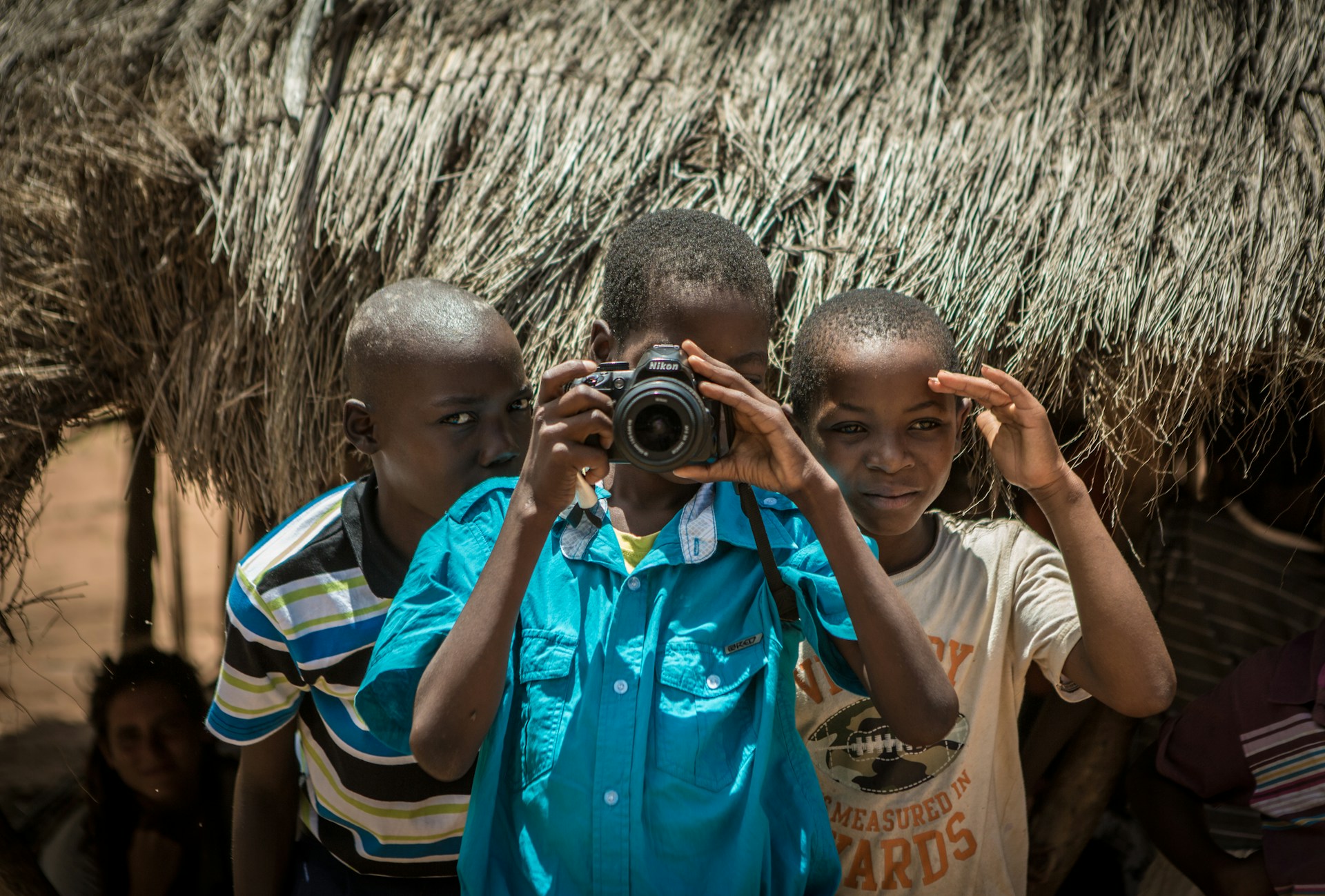
London – A new study conducted by the organization Africa No Filter and investment firm Africa Practice has revealed the economic damage caused by the distorted representation and “biased” coverage of African countries by the international media, especially during election periods.
The study states that although representation has become more positive in recent years, it is still full of stereotypes and contributes to discouraging foreign direct investment (FDI) and making international credit more expensive, among other effects.
As a result, African countries lose an average of US$4.2 billion per year, an amount that could be used to educate more than 12 million children, immunize 73 million or guarantee drinking water for two thirds of the population. Nigeria’s population, researchers say.
Economic impact of biased coverage on Africa
The report, titled The Cost of Stereotypes to Africa, points out that African countries pay a “bias tax” of billions of dollars in debt service alone, which directly affects the economic development of nations such as Nigeria, Kenya, South Africa and Egypt.
The research used a combination of quantitative and qualitative analysis to examine the financial consequences of what the authors point out as media bias.
The analysis showed that the negative perception fueled by the media can increase loan interest rates by up to 10%. More favorable representation would result in a 1% reduction in rates.
Coverage has improved, but it still does not reflect reality
The study admits that media coverage of Africa has improved significantly in the last two decades.
Analysis revealed that, compared to the 1990s and 2010s, the narrative about African economies has begun to include themes such as “Africa on the Rise” rather than focusing exclusively on poverty.
This progress can be attributed to factors such as greater African participation in international affairs, globalization that has facilitated economic integration, and a more robust local presence of international media and companies.
Despite these improvements, according to the report, the media still tends to emphasize negative events over positive ones, resulting in a disproportionate representation of Africa.
By focusing on electoral processes in four African countries, compared to nations such as Malaysia, Denmark and Thailand, the study revealed that the global media tends to portray the African political scene in a predominantly negative way.
For example, 88% of articles about Kenya during election periods were considered negative, compared to 48% in Malaysia.
Another study by Africa No Filter highlights that Western media coverage often revolves around topics such as poverty, poor leadership, corruption, conflict and disease.
“This emphasis on negative narratives contributes to the perpetuation of harmful stereotypes, often presenting Africa as a single country, where the difficulties faced by one nation are seen as representative of the entire continent,” the report states.
Call for fairer representations of Africa
The report concludes with a call for international media and financial sectors to collaborate towards a more accurate and fair representation of Africa.
“More realistic and less stereotypical portrayals could unlock significant investments and boost economic development across the region,” argue the authors.
“In a continent full of opportunities, changing global perception is seen as an essential key to attracting more investment and long-term sustainable growth.”
The complete study can be seen here.
Also read | Women warriors, child violence, Christian memories and more: photos portray Africa’s past and present