
“Sometimes we get it right. Sometimes we get it wrong”: the long goodbye to Zuckerberg’s metaverse
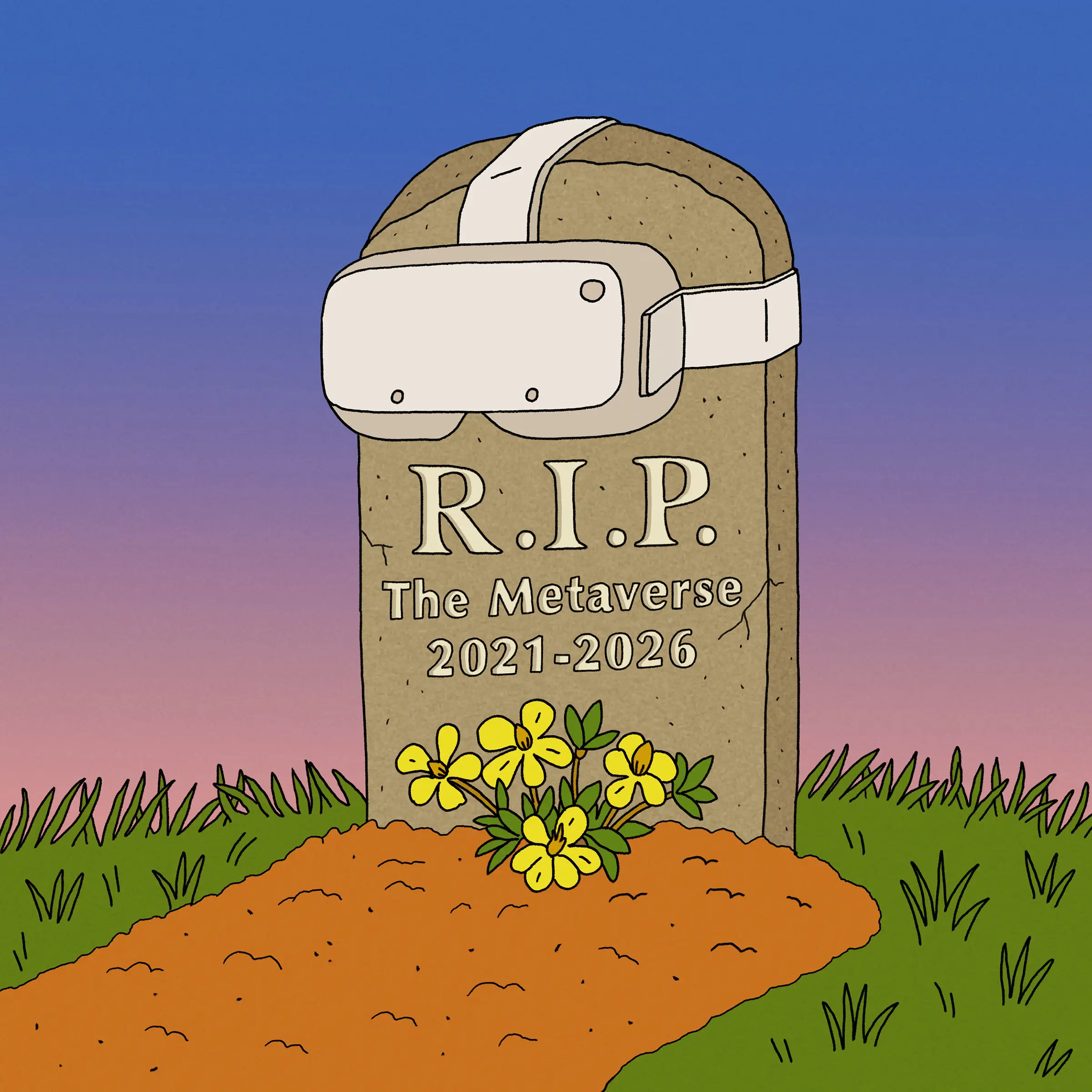
SAN FRANCISCO (USA) — Five years ago, Mark Zuckerberg said that the future of Facebook would be the metaverse. In virtual reality, he imagined an immersive digital world where people would work, play and meet. To mark this change, he renamed the group Meta.
Since then, history has changed direction. In recent months, Meta fired around 10% of the metaverse division team and warned that Horizon Worlds — its virtual “world” in which users live through avatars — would no longer have a priority focus on virtual reality.
This week, there was almost a final point. On Tuesday (17), the company announced that access to the immersive world through VR headsets will end on June 15.
The following day, it partially backed down: it stated that it would maintain support for some existing VR apps within Horizon Worlds, but would not add new ones.
In practice, Zuckerberg’s original idea for the metaverse is being dismantled.
Even after Meta accumulated around US$80 billion in losses from the project, the metaverse and virtual reality remain restricted to niches — enthusiasts, gamers and some corporate uses. Other platforms, such as Roblox and Fortnite, ended up occupying this space with more traction.
Meanwhile, the company turned the key to artificial intelligence. Last year, Zuckerberg announced a new “future”, now centered on the so-called “superintelligence”, an almost ubiquitous AI that would function as a super personal assistant. Meta projects to spend at least US$115 billion this year, mainly on AI — including the construction of large data centers to run these models.
This doesn’t mean abandoning the metaverse entirely. Horizon Worlds continues to be available on cell phones, and the company has been investing in augmented reality glasses, which record videos and allow interaction with AI assistants.
But the topic lost prominence. In September, at the same developer conference where, in 2021, Zuckerberg announced the company’s new name, the word “metaverse” appeared only twice — both in the final minutes of a presentation lasting about an hour. “AI” was mentioned 23 times.
“They jumped on the term ‘metaverse’ without really understanding the concept,” said Wagner James Au, author of (Creating a Metaverse that Matters, untranslated in Brazil), in an interview. “Their strategy seemed to completely ignore the lessons of previous platforms.”
A Meta spokesperson recalled a post published in February, in which the company claims to remain “the largest investor in the VR industry” and says it has “a robust plan for new headsets in development”.
Zuckerberg’s bet on the metaverse began in 2014, when he paid US$2 billion for Oculus, then a virtual reality glasses startup. Enchanted by the technology, he saw it as a candidate for a “smartphone replacement” as the next great personal computing device.
The company spent years pouring billions of dollars into the thesis: it bought game studios, financed developers and sold headsets, often with tight or negative margins. In 2019, Zuckerberg admitted to investors that virtual reality was “taking longer” than he imagined to get going.
With the Covid-19 pandemic in 2020, the idea of interacting with friends and colleagues in virtual environments gained momentum. In 2021, Zuckerberg and his team began to openly defend that this would be the next leap for the internet. They revived the term “metaverse”, popularized by writer Neal Stephenson and already a favorite among gaming and crypto communities.
In October of that year, he announced the rebranding to Meta and described a future in which virtual and augmented reality experiences would blend into everyday life. Physical and digital world forming a continuous “meta-reality”.
Part of the vision involved games, but another focus was remote work: instead of meetings on Zoom, meetings in virtual offices with avatars.
“Teleporting across the metaverse will be like clicking a link on the internet,” Zuckerberg said at the time. “Ending the daily commute will mean less traffic and more time with what matters. And it will even be better for the environment.”
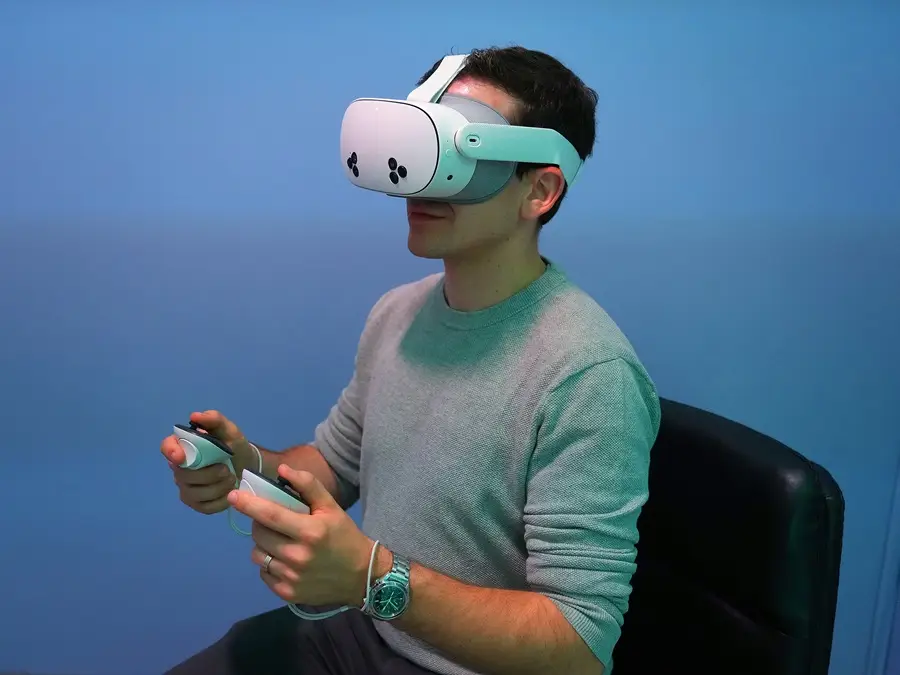
The market bought the idea. Large companies — from Disney to retailers like Crate & Barrel — began creating “chief metaverse officer” positions to explore opportunities. A McKinsey report in 2022 estimated that the metaverse could generate up to $5 trillion in value by 2030 and projected that 15% of corporate revenue would come from this environment by 2027.
In practice, however, the experience fell short of the promise. Early versions of Horizon Worlds had a lot of bugs. The avatars were extremely simplified — for a while, just floating torsos, which became a joke on social media until Meta added legs.
The main problem, however, was adoption: users did not appear on the scale imagined. VR fitness games, like and , created loyal communities, but never reached the volume needed to support the plan to turn VR into a mass platform.
“They are basically ending this experiment because they realized that trying to ‘force’ VR as an independent platform would require many years and many generations of hardware to come,” says Eric Seufert, an independent analyst.
Other giants also came up against the limits of hype. In 2024, Apple launched the Vision Pro, a VR and mixed reality headset praised for its technology — and criticized for its price, around US$3,500, a value comparable to a mortgage installment in expensive US cities.
At Meta, the official statement is that the metaverse is not over, but has changed place in the priority queue. The tone, however, was more down to earth.
“Sometimes we get it right,” wrote Samantha Ryan, vice president of content for the Reality Labs division, in a recent post. “In others, we make mistakes. And when that happens, we look at the data, listen to the feedback, adjust the strategy decisively and continue building.”