
STF confirms rejection of Bolsonaro’s appeals; see next steps
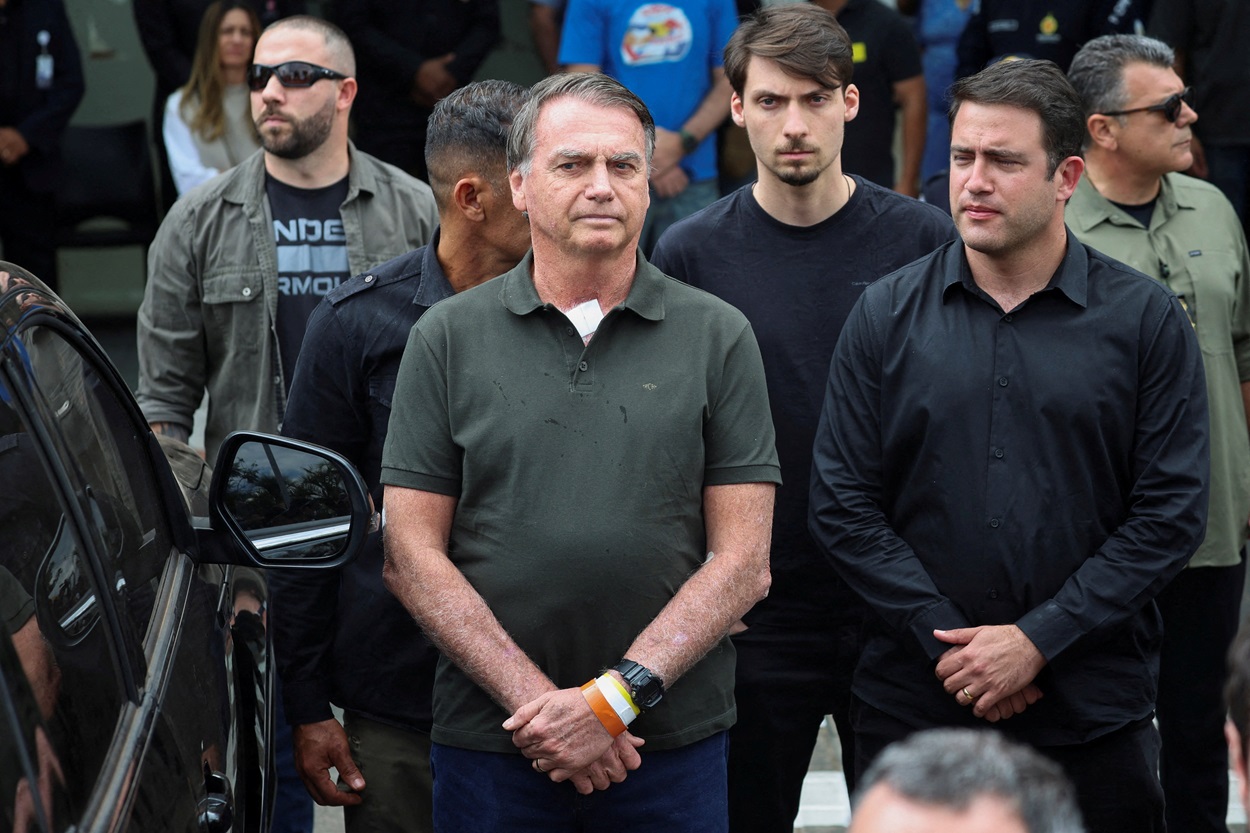
The Federal Supreme Court released, this Monday (17), the minutes of the trial in which the First Panel rejected the appeals presented by former president Jair Bolsonaro and six other people convicted in the case of the 2022 coup attempt.
The document officially consolidates the unanimous score of the collegiate, recorded in the virtual plenary last Friday (14).
The minutes only summarize the result of the vote and, therefore, do not replace the ruling, which should be published in the next few days. It is this second, more detailed document that opens the window for defenses to decide whether they will present new questions to the Supreme Court.
Elections: Tarcísio has a diverse base and is sympathetic to Lula voters, says newspaper
Research indicates that Tarcisío’s base is more mixed, made up of different types of voters – which could be an advantage in a possible presidential race in 2026
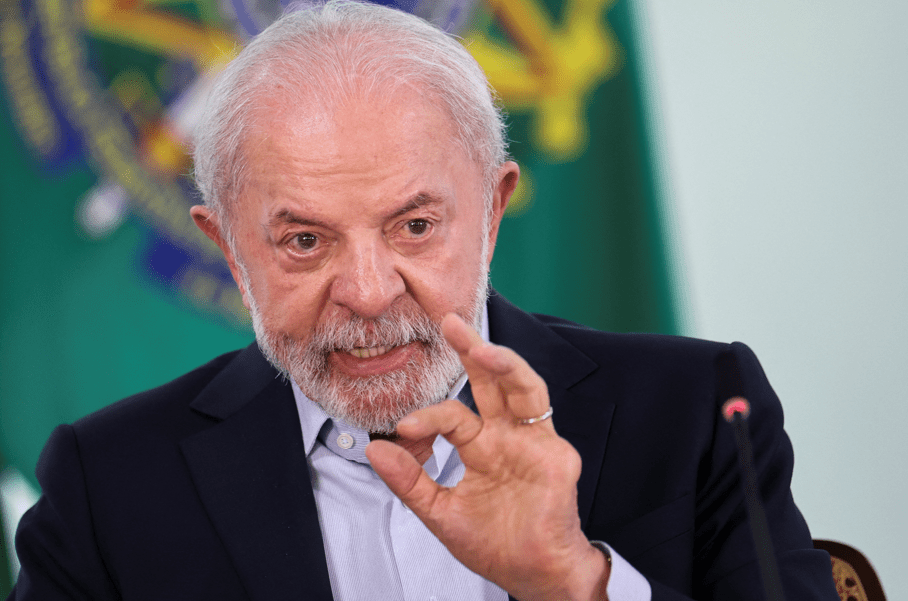
Aides try to make Lula follow the script after statements go wrong; understand
Less than a year before the election, the behavior raised an alarm in the government, which has expressed concern about the mistakes made by the President of the Planalto Palace
What lies ahead
With the initial phase of appeals over, the defenses now enter the final part of the process, an already narrow space for legal maneuvers. As soon as the ruling is published, the possibility of presenting new questions opens, but with reduced scope for changes in the result.
The most immediate path is new embargos for clarification, aimed at asking for clarification on the decision. The chance of success, however, is considered low.
The First Panel rejected the first set of motions unanimously, which reduces the space for the Court to admit a second round that repeats arguments already discarded. The Supreme Court’s jurisprudence even provides that insistence of this type can be classified as attempts to delay the beginning of the sentence.
Another possibility is the presentation of infringing embargoes, a mechanism that allows discussions to be reopened when there is a relevant divergence between votes. Although Minister Luiz Fux voted to acquit most of the defendants, the rules require at least two demonstrations for acquittal for the appeal to be admitted, a condition that was not met in the case of the former president.
Despite this, it is likely that the defenses will try to activate this instrument, in a strategy to move the trial to another composition, such as the Second Panel or even the Plenary.
The sentence execution stage only begins when all these possibilities have been exhausted. In practice, the STF usually considers the appeal cycle closed after analyzing a second wave of embargoes, a decision that remains in the hands of the rapporteur, responsible for assessing whether the new challenge has a legal basis or whether it simply seeks to postpone the application of the conviction.
The condemnation
Bolsonaro was convicted on September 11 along with seven other defendants from the so-called “core 1” of the coup attempt, including Alexandre Ramagem, Anderson Torres, Augusto Heleno, Walter Braga Netto and Mauro Cid.
The group was accused by the Attorney General’s Office (PGR) of committing five crimes, including armed criminal organization, attempted coup d’état and violent abolition of the Democratic Rule of Law.
Bolsonaro’s sentence is the highest among those convicted. Only minister Luiz Fux voted for the acquittal of the former president and six other defendants, defending the conviction of only Braga Netto and Mauro Cid.