
STF ministers discuss adjustments on 8/1 penalties, but do not yet speak in agreement

The change in the report of the project that discusses the revision of the penalties of condemned by scammer acts on January 8 intensified conversations between politicians and ministers of the Supreme Court (STF) in search of an alternative proposal. On Thursday night, Minister Alexandre de Moraes talked by phone with former President Michel Temer for about five minutes, when the project was mentioned.
Temer is one of the authorities who have been seeking a solution to the impasses involving amnesty and the reduction of penalties and made contact during a meeting with the rapporteur of the Amnesty PL, Deputy Paulinho da Força (Solidarity-SP), as well as Hugo Motta (Republicans-PB) and Aécio Neves (PSDB-MG).
‘It is not quite amning, it is to diminish the feather,’ says Paulinho, next to Ciro Nogueira
The rapporteur also stated that “an intermediate project could pacify the country”
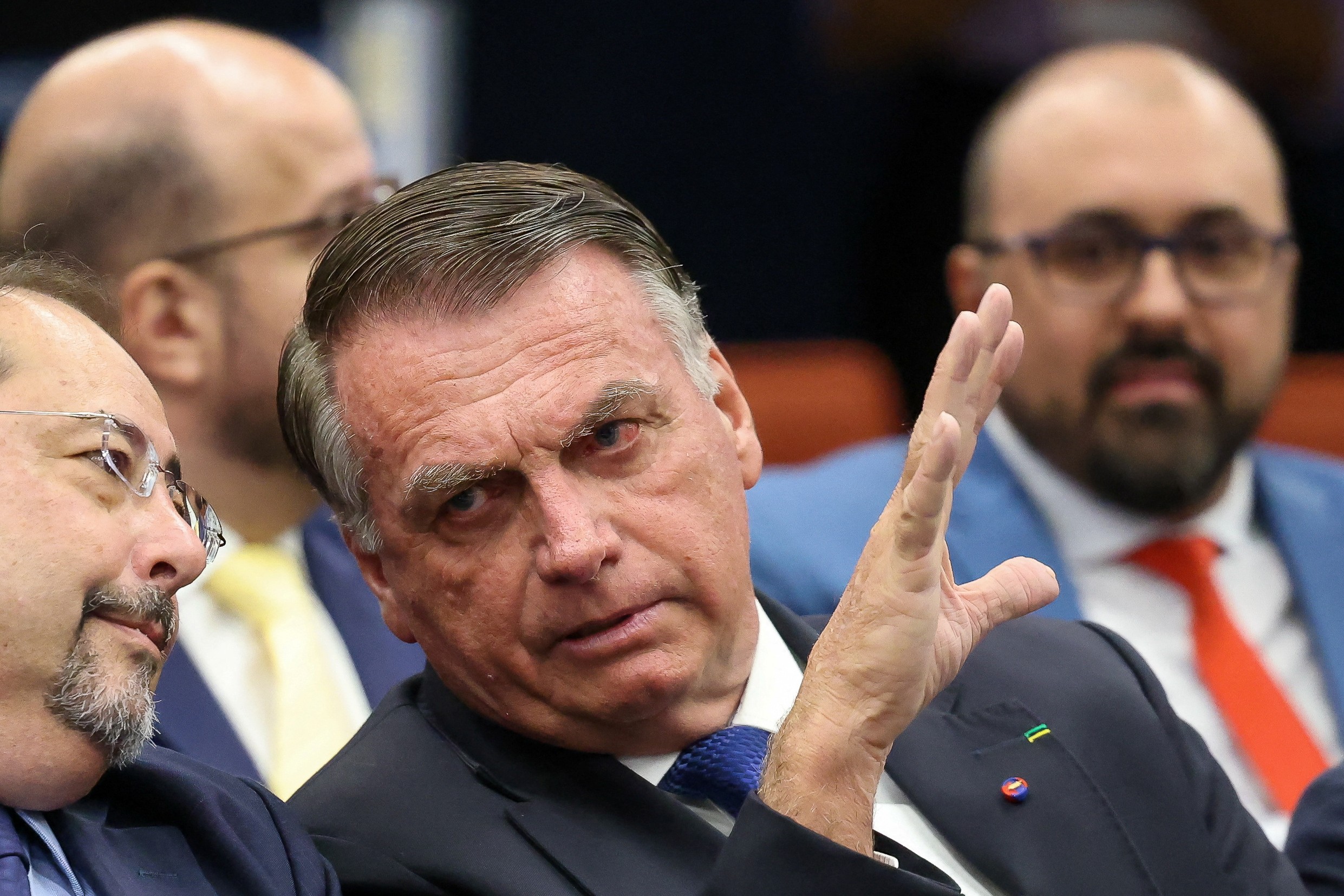
Amnesty option should benefit Bolsonaro and allies condemned only with penalty reduction
Rapporteur debates minor punishments for crimes for which former president and allies were sentenced to the Supreme Court; Chamber wants to rename PL of amnesty as PL of Dosimetry
Despite the brief dialogue with Temer, Moraes Office interlocutors deny that the minister signaled any agreement or commitment to STF. Reserved, they say that the minister was not aware of the topics debated during the meeting and did not participate in any dialogue with the others.

After the meeting, Temer publicly stated that the group would seek a “republican pact” involving members of the Supreme.
Already Aécio stated that there are “signs of detachment” by ministers about the possibility of a legislative text that treats exclusively from the dosimetry of the penalties, without contemplating amnesty to those convicted of attempted coup.
The discussion about the dosimetry of the penalties occurs amid the accelerated processing of the so -called “PL of Dosimetry”, a reformulation of the old amnesty project to the condemned by the scammers of 8 January.
The proposal, led by Deputy Paulinho da Força, seeks to reduce penalties without granting total forgiveness, in an attempt to build a text that is legally viable and politically balanced.
In the Supreme, there is resistance to the idea of broad amnesty, considered unconstitutional by a wide wing of ministers. Still, there is room for dialogue on proposals that deal exclusively from dosimetry, provided that they respect the legal limits and do not imply impunity for crimes against democracy.
