
STJ opens action against Rio TCE advisor for money laundering
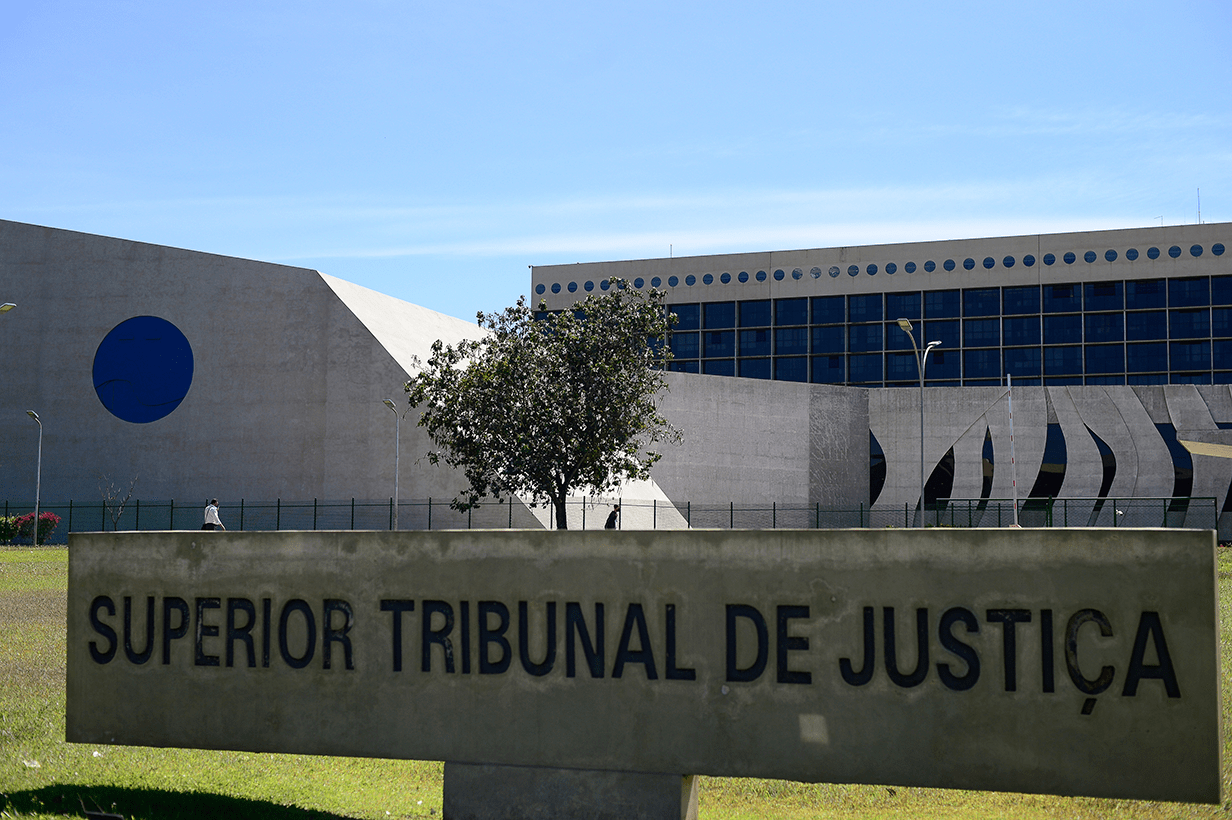
The Special Court of the Superior Court of Justice (STJ) placed the counselor of the Court of Auditors of the State of Rio de Janeiro (TCE-RJ), Marco Antônio Barbosa de Alencar, in the dock for money laundering.
The accusation that will now be the subject of proceedings in the STJ was brought against Barbosa in the wake of Operation Quinto do Ouro, which investigated the payment of bribes to members of the court in the context of contracts signed by the State with funding from the Union.
Alencar is already responding to two other criminal actions at the STJ, also in the aftermath of Quinto do Ouro. In one of them, he was placed in the dock, in 2019, alongside councilor Domingos Brazão, now arrested on charges of having ordered the murder of councilor Marielle Franco and her driver Anderson Gomes.
The Federal Public Ministry (MPF) accused the counselor of receiving bribes from the TCE so as not to audit contracts between construction companies and the state government.
Superior Military Court will be presided over by a woman for the first time in 216 years
Maria Elizabeth Rocha was elected to occupy the military court, the highest body of the Union’s Military Justice. From 2013 to 2015, the minister temporarily assumed the presidency of the STM, but for a “buffer mandate”
The third case opened against the counselor also affects his wife Patrícia Mader de Alencar, his two daughters, as well as the businessman who signed an award-winning collaboration. The alleged crimes attributed to the accused occurred between 1999 and 2016. During the trial in which the complaint was accepted, the defenses rejected the accusations.
During a session of the STJ Special Court this Wednesday, the deputy attorney general of the Republic, Hindenburgo Chateaubriand Filho, spoke about the episodes of money laundering reported in the criminal action. One of them involved the hiding of amounts in undeclared accounts abroad, according to the MPF.
The prosecutor’s office states that the “advisor maintained in his name and that of his wife, in the United States, two undeclared bank accounts, which were fed with amounts received from corruption”. The accounts were eventually closed and then the advisor opened new offshore accounts with his two daughters as beneficiaries, according to the agency.
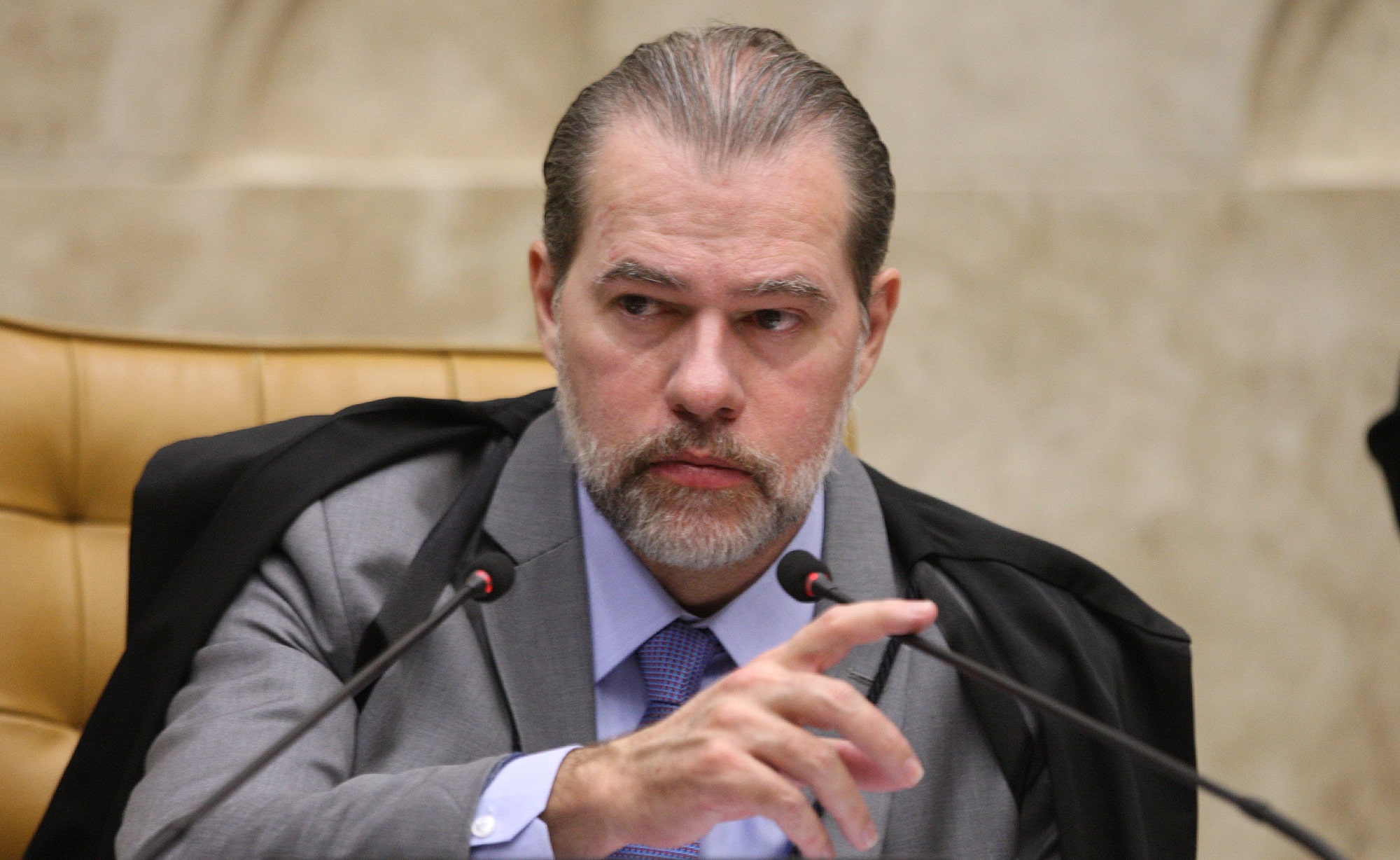
Toffoli proposes situations in which networks must remove content before notification
As a general rule, the minister argued that illegal and offensive content must be removed after notifying the user. If they do not remove them within a “reasonable period”, platforms are subject to fines
The complaint was filled with documents from offshore companies, contracts for opening accounts abroad, bank statements, credit card issuance requests, card invoices, receipts and reports of suspicious transactions by the US Financial Intelligence Units.
The PGR further alleged that the corruption money laundering scheme involved the use of companies owned by the counselor’s daughters to simulate service provision contracts. This generated fictitious invoices. The same happened with one of the whistleblower’s companies, which also ended up being denounced.
Furthermore, the investigators pointed to the existence of a scheme that consisted of using the daughters’ companies to simulate service provision contracts by issuing fictitious invoices to a company belonging to the employee also accused.

ACCESS NOW
