
SUPLICY PROPOSAL FARIA ‘CRACOLATES’ DISAPPEY? How is the drug room
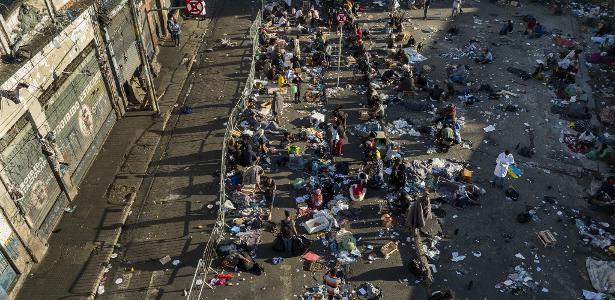
Space should be a place of coexistence and offer services and activities, as well as the rooms for drug use. “Often compulsive drug use happens because the street user has no other things to do,” said psychologist and reducer of damage, Maria Angélica Comis, who collaborated with the text of the PL. She says that the offer of bathrooms with shower, laundry and access to water should also encourage users to look for the space.
The drugs will not be offered on site. There is no evidence that safe rooms reduce drug trafficking, and researchers assess that the impact is limited as users would continue to buy drugs illegally. The deputy project Supplicy It only provides for the reduction of outdoor drug use, which can increase the sense of safety in the region.
Researchers warn that users and employees of safe rooms can be targeted by legal actions. The drug law provides for a penalty of one to three years for those who “induce, instigate or assist the misuse of drugs” while Article 34 speaks of the ban on distributing and providing machinery, apparatus, instrument or any object for the preparation of the drug. Users could also be arrested and processed because they are taking drugs.
In countries that introduced drug use rooms as a public policy, drug purchase is prohibited by law. In Denmark, Sweden and Luxembourg, for example, possession for personal use of drugs such as cocaine and heroin is a crime and can be punished with prison. Not so the legal barriers prevented new damage reduction policies from being experienced and adopted as state policies.
Excerpt from the study drug use rooms: situating the debate in Brazil by Rafael Tobias de Freitas Alloni and Luiz Guilherme Mendes de Paiva
PL also says that the spaces will be monitored by researchers to evaluate the impact of policy annually. The project considers the possibility of installing safe rooms in existing buildings, such as Caps (Psychosocial Care Centers) and UBSS (Basic Health Units). The budget study estimates an annual cost of R $ 1.27 million for each unit and a team of 15 professionals, including coordinators, clinical supervisors, lawyers and damage reducers.
It is expected that users choose treatment or reduce drug use. In 2016, a survey showed that two in three users reduced crack consumption after the program Open Arms, by then mayor Fernando Haddad (PT). The data are from the Brazilian Drug Policy Platform, which interviewed 80 users. The project, which was also focused on damaging damage, offered employment and housing for dependents.